



New Texas laws aims to streamline pet owners’ complaints, standardize veterinary practices
Two new Texas laws passed during the latest legislative session aim to help pet owners make more informed decisions about veterinary care while standardizing oversight of animal care facilities, experts say.
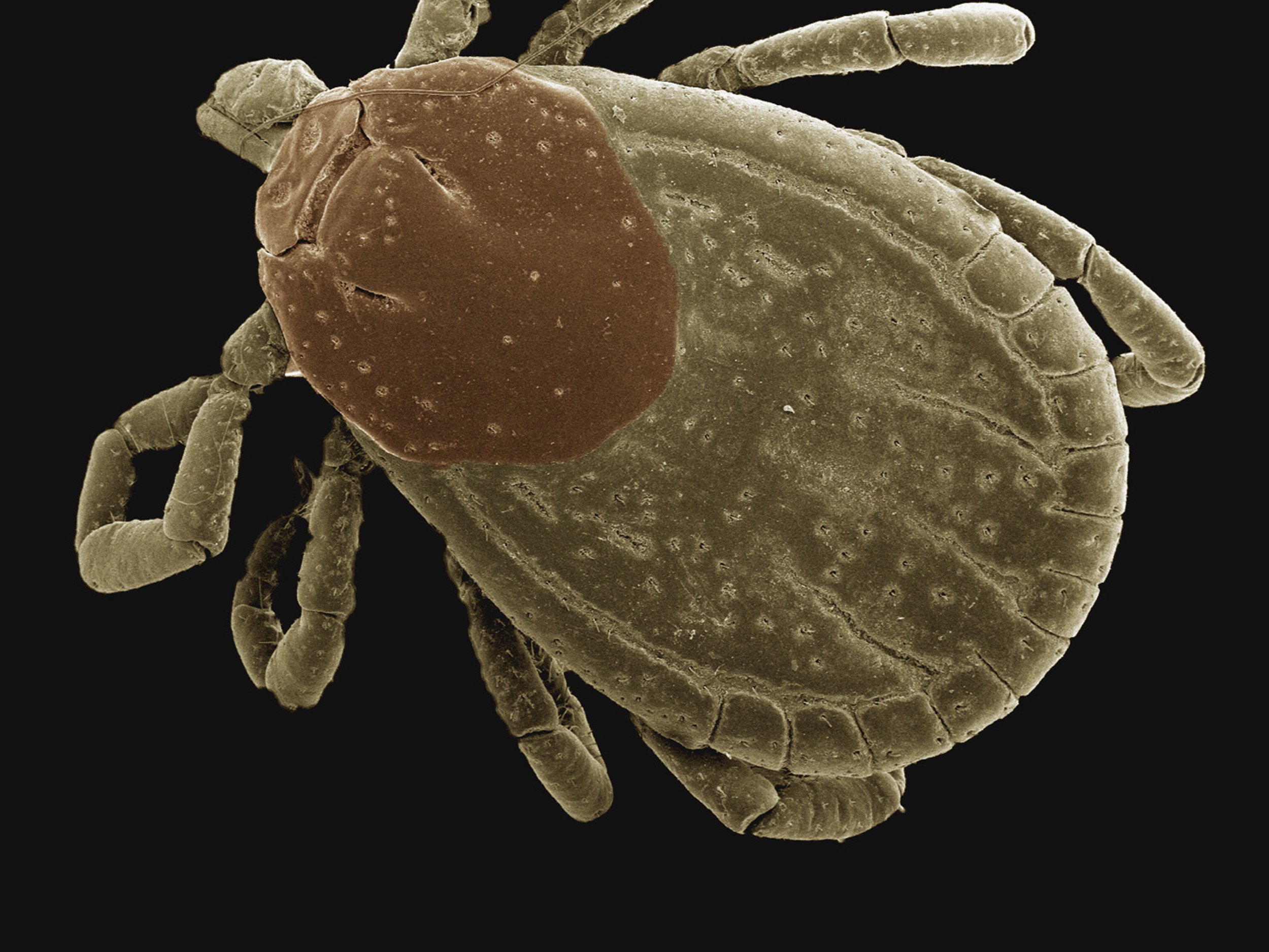
Structure of tick-borne virus revealed at atomic resolution for the first time
The team used a surrogate to study POWV. Using the yellow fever vaccine virus, a weakened strain of the yellow fever virus that’s less infectious, they swapped out two protein genes and replaced them with two genes that encode the structural proteins found on the surface of POWV. These proteins — envelope proteins and membrane proteins — are arranged on the surface of POWV in a herringbone-like pattern. It’s a standard and safe practice that has been used to study the surface structure of other types of viruses, Joyce said.

Exploring animal life in the radioactive shadows of Chornobyl and Fukushima
A team of researchers in France are building on fundamental experimental research undertaken in the Ukrainian Chornobyl exclusion zone with a new project in the Japanese Fukushima Prefecture to further our understanding of what it means for animals to live and reproduce in radioactive environments.

Study suggests lemurs age differently than humans
In newly published research on age-related inflammation in ring-tailed and sifaka lemurs, Guevara discovered that perhaps we should rethink the inevitability of inflammaging in humans.

Tiny Nanobody Discovery Offers Hope Against Deadly Nipah and Hendra Viruses
A University of Queensland team has discovered the first nanobody capable of neutralizing Nipah and Hendra viruses, two deadly zoonotic pathogens without approved treatments. The nanobody, DS90, blocks viral entry and prevents mutation, offering a new strategy for future outbreaks in Australia and Asia. Findings published in Nature Structural & Molecular Biology highlight the promise of nanobodies as next-generation antiviral therapies.

Epilepsy in dogs: New advances for diagnosis and research
Epilepsy and dyskinesia are canine neurological disorders with overlapping clinical symptoms. An international team, led by Professor Andrea Fischer, neurologist at LMU’s Small Animal Clinic, and Professor Hannes Lohi, molecular geneticist at the University of Helsinki, has developed a novel multilingual questionnaire that standardizes the description and classification of seizures in dogs and reliably documents seizures of different kinds.