



Sustainability in Veterinary Clinics Linked to Improved Staff Wellbeing and Climate Readiness
A new study finds that veterinary technicians and support staff recognize climate change as a pressing animal health issue—and support sustainable practices and climate education in clinics to boost both patient care and team wellbeing.

Veterinary Professionals at Risk as Student Loan Defaults Rise: Wage Garnishment Looms for Millions
Nearly two million borrowers face wage garnishment this summer as federal student loan defaults surge. The impact could hit veterinary professionals—especially recent grads—hard as loan repayment protections expire.

WOAH Calls for Global Vaccine Investment to Combat Rising Animal and Zoonotic Disease Threats
The World Organisation for Animal Health (WOAH) warns that nearly half of emerging animal diseases threaten human health. Its first global animal health report urges global investment in vaccines, veterinary infrastructure, and coordinated disease surveillance.

Rural Veterinary Workforce Act Reintroduced to Expand Access to Animal Care in Underserved Areas
A bipartisan group of lawmakers has reintroduced the Rural Veterinary Workforce Act to address veterinarian shortages in rural America by making loan repayment tax-free for those who serve in high-need areas.

New Study Confirms Long-Term Gains from Hands-On Ultrasound Training for Emergency Vets
A new study highlights the effectiveness of a hands-on point-of-care ultrasound (POCUS) training course designed for early-track emergency veterinarians. Participants in the Veterinary Emergency Group’s New ER Doctor program showed significant improvement in abdominal, thoracic, and cardiac ultrasound skills three months post-training. Discover how POCUS education is enhancing clinical confidence and diagnostic capabilities in emergency veterinary medicine.
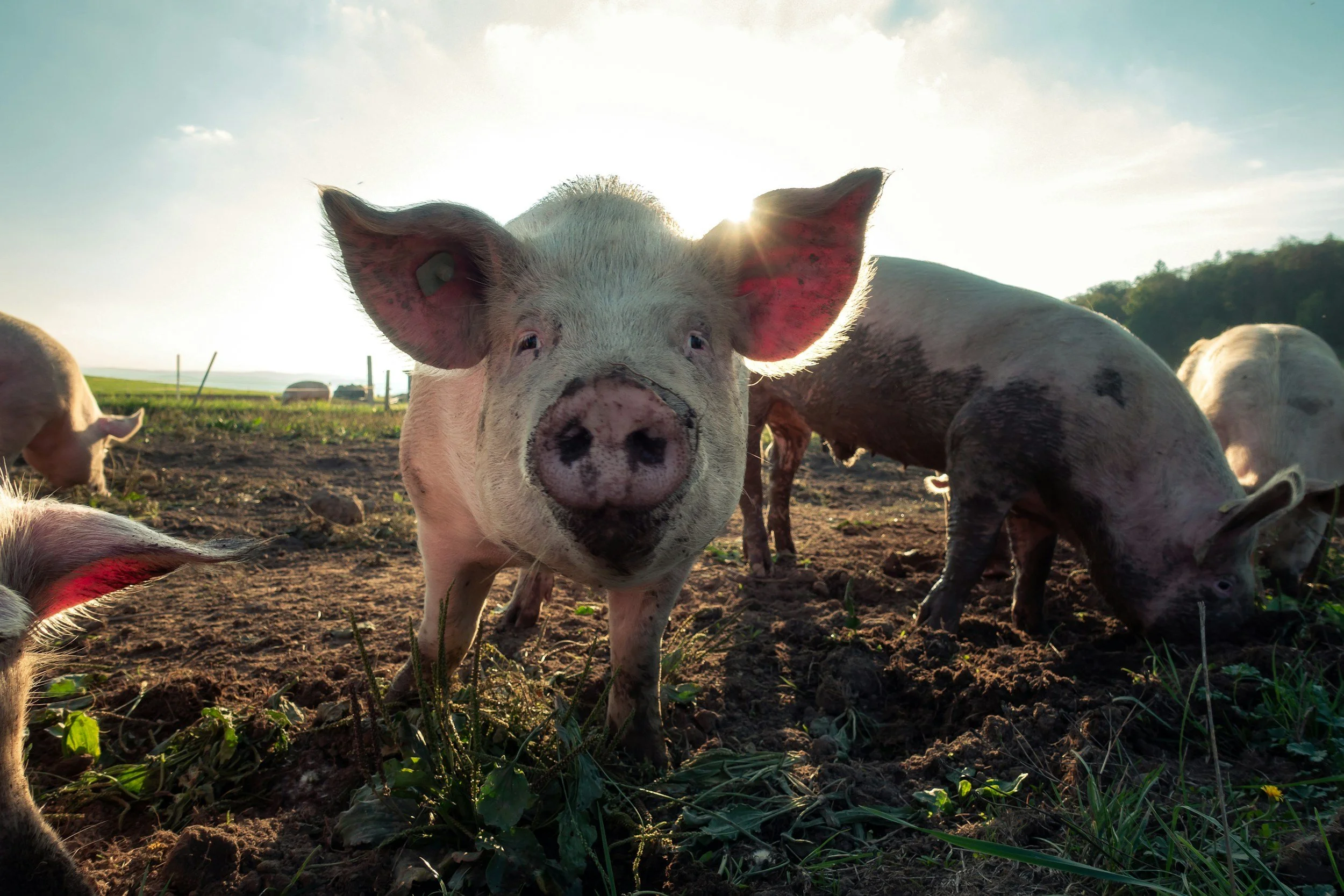
New Review Highlights Breakthroughs in Antiviral Treatments for Foot-and-Mouth Disease Virus
Explore the latest research on antiviral therapies for Foot-and-Mouth Disease Virus (FMDV), including monoclonal antibodies, RNA interference, and small-molecule inhibitors. This comprehensive review highlights the limitations of current vaccines and the urgent need for effective antiviral strategies to protect global livestock. Learn about novel compounds, naturally derived agents like quercetin, and cutting-edge approaches involving nanotechnology and gene delivery systems. Ideal for veterinary professionals, researchers, and public health stakeholders.