



Harvard Scientists + Hills Pet Nutrition Just Launched a Game-Changer for Pet Health
A new web portal has been launched to support the One Health Microbiome Resource (OHMR), a collaborative initiative between researchers at the Harvard T.H. Chan School of Public Health and Hill's Pet Nutrition. The portal aims to centralize and expand access to data, tools, and protocols focused on the microbiome and its role in pet health.

What vets need to know about New World screwworm (NWS)
New World screwworm (NWS) is a parasitic fly that causes serious disease (myiasis) in livestock, pets, wildlife, occasionally birds, and in rare cases, people. It is most often detected in cattle, swine, horses, small ruminants, and dogs. Although NWS was eradicated from the United States and Central America decades ago, it has resurged and was recently detected as far north as Mexico. In May, U.S. Secretary of Agriculture Brooke L. Rollins suspended live cattle, horse, and bison imports from Mexico through U.S. ports of entry along the southern border as an additional measure to protect U.S. agriculture.

New Veterinary Specialties Up for Review—Public Input Open Until August 12
The American Board of Veterinary Acupuncture (ABVA) and the American Embryo Transfer Association (AETA) have asked to be recognized veterinary specialty organizations (RVSOs). The organizing committees of the proposed specialties submitted letters of intent to the ABVS in November 2024, which were accepted by the ABVS at its meeting in March.
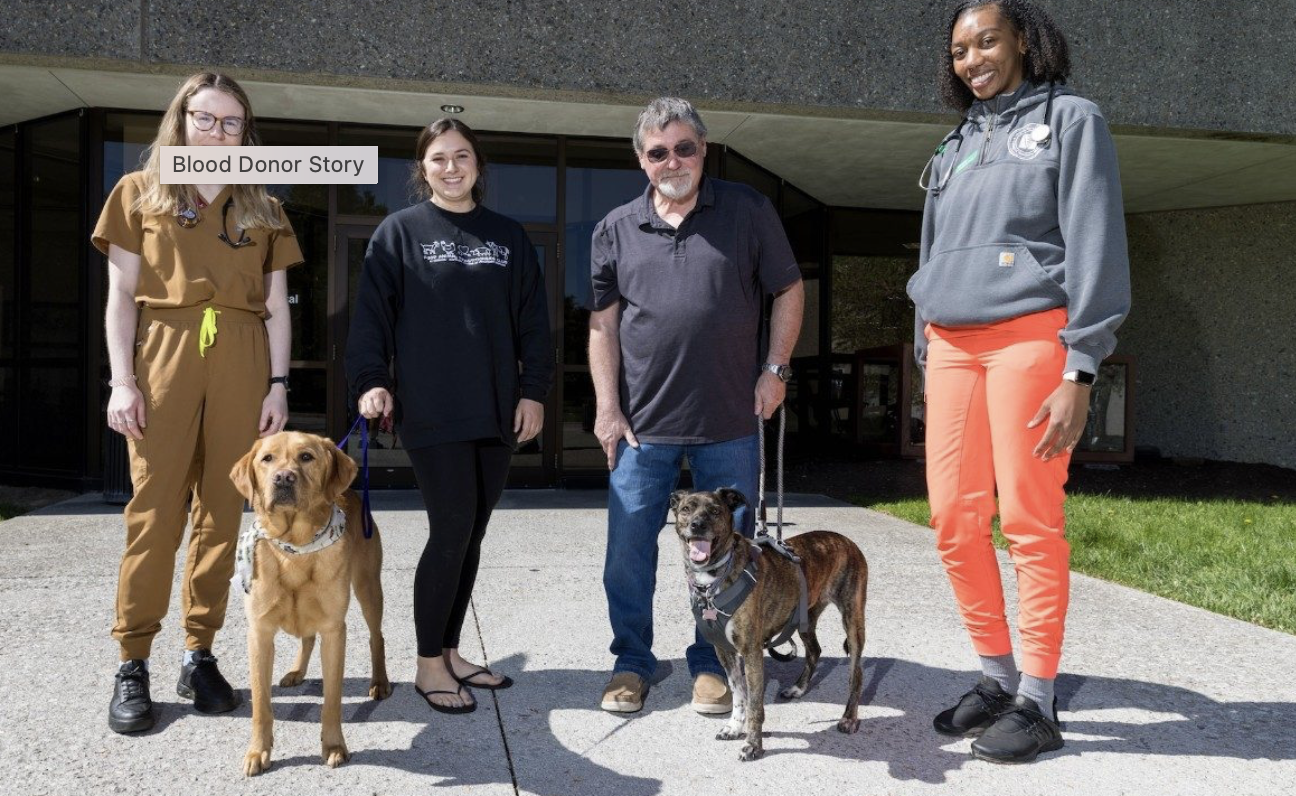
Life-saving blood donation at Veterinary Teaching Hospital connects two dogs and their owners
Two dogs may have not fully understood the significance of meeting one another at the Veterinary Teaching Hospital, but their owners certainly did. With the gift of a blood donation, Indie saved Arya’s life.

Unique genetic mutation underlies horses’ exceptional athleticism
For over 5,000 years, horses have played a crucial role in human history—serving as essential companions for transportation, labor, and sport. From chariots to racetracks, their unmatched stamina and strength helped shape civilizations. But what made horses such formidable athletes? New research uncovers an ancient evolutionary adaptation that gave horses the metabolic boost they needed—while protecting them from the damaging side effects of their own power.
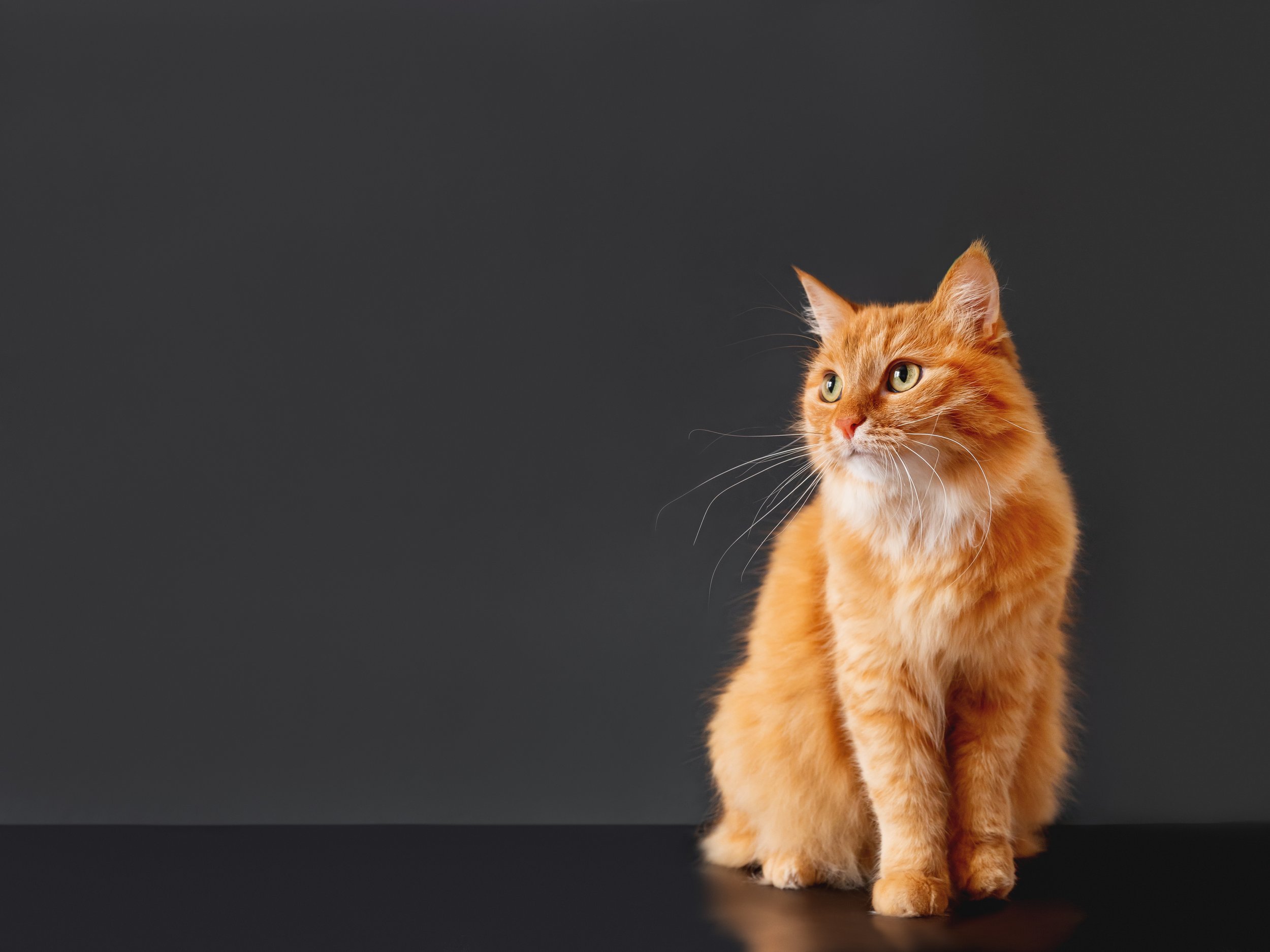
Scientists find the mutation that gives cats their orange fur
Fukuoka, Japan—From Tama, Japan’s most famous stationmaster calico cat, to the lasagna-loving, ginger Garfield, cats with orange fur are both cultural icons and beloved pets. But their distinctive color comes with a genetic twist—most orange tabbies are male, while calicos and tortoiseshells are nearly always female. This pattern points to an unknown “orange gene” on the X chromosome, but identifying this gene has eluded scientists for decades.