



New Veterinary Specialties Up for Review—Public Input Open Until August 12
The American Board of Veterinary Acupuncture (ABVA) and the American Embryo Transfer Association (AETA) have asked to be recognized veterinary specialty organizations (RVSOs). The organizing committees of the proposed specialties submitted letters of intent to the ABVS in November 2024, which were accepted by the ABVS at its meeting in March.
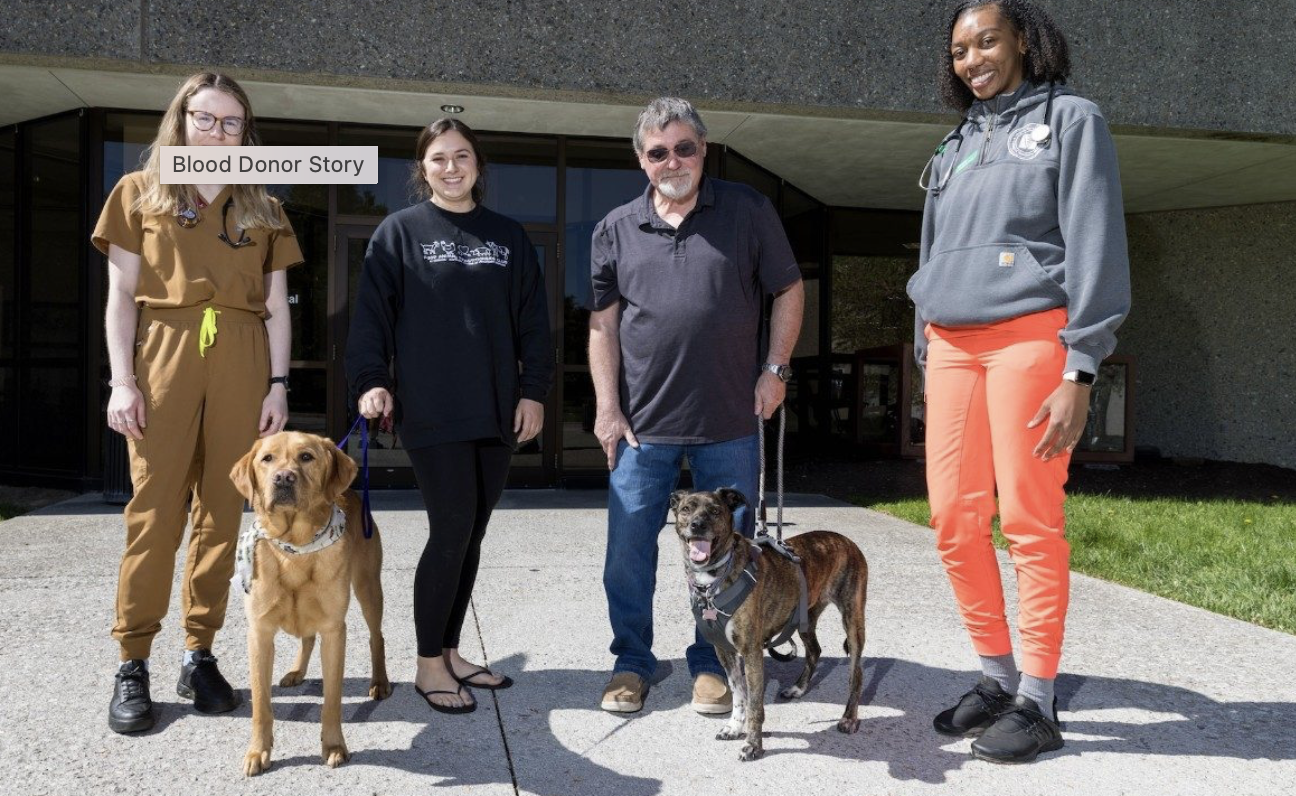
Life-saving blood donation at Veterinary Teaching Hospital connects two dogs and their owners
Two dogs may have not fully understood the significance of meeting one another at the Veterinary Teaching Hospital, but their owners certainly did. With the gift of a blood donation, Indie saved Arya’s life.

Unique genetic mutation underlies horses’ exceptional athleticism
For over 5,000 years, horses have played a crucial role in human history—serving as essential companions for transportation, labor, and sport. From chariots to racetracks, their unmatched stamina and strength helped shape civilizations. But what made horses such formidable athletes? New research uncovers an ancient evolutionary adaptation that gave horses the metabolic boost they needed—while protecting them from the damaging side effects of their own power.
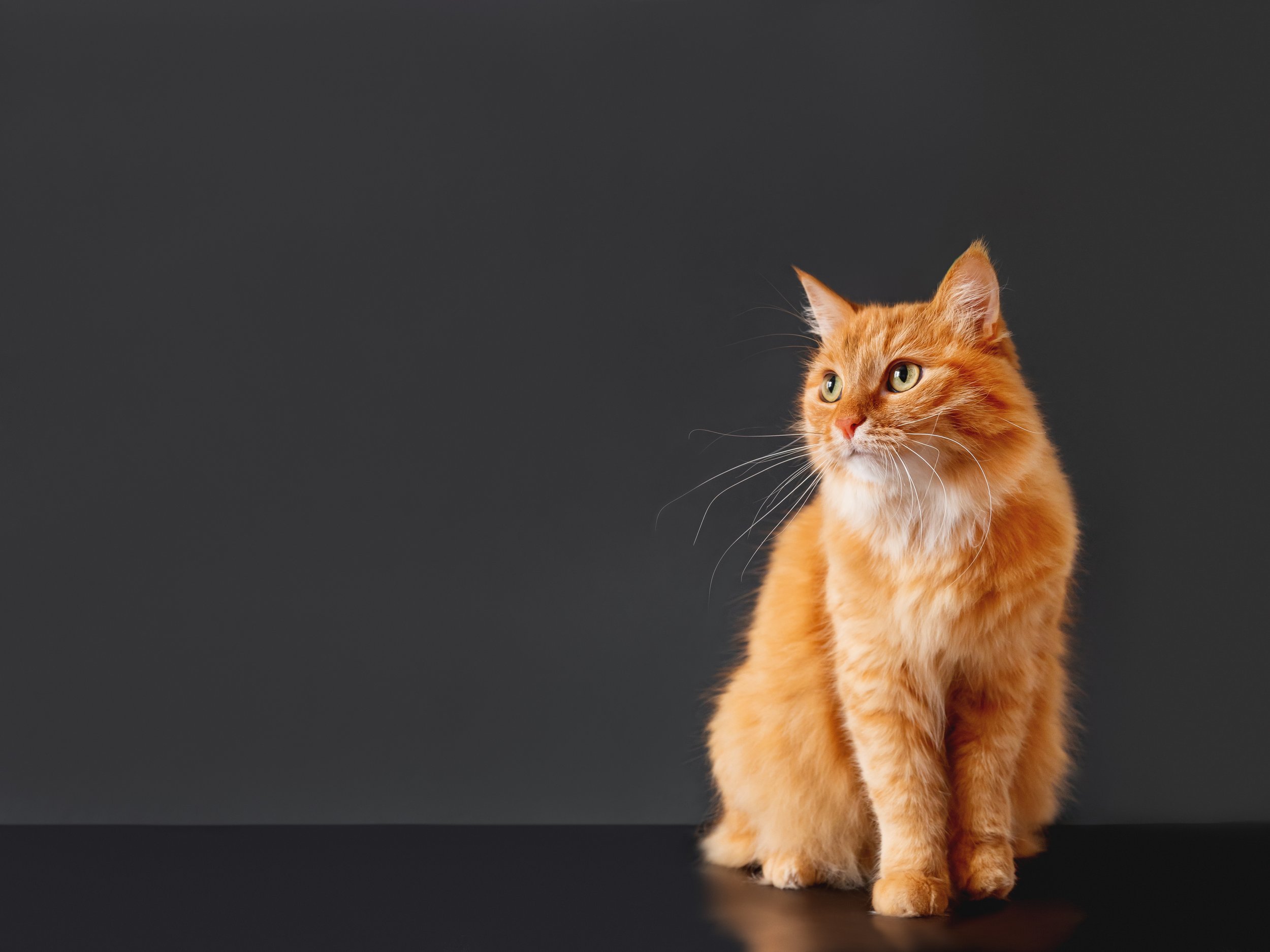
Scientists find the mutation that gives cats their orange fur
Fukuoka, Japan—From Tama, Japan’s most famous stationmaster calico cat, to the lasagna-loving, ginger Garfield, cats with orange fur are both cultural icons and beloved pets. But their distinctive color comes with a genetic twist—most orange tabbies are male, while calicos and tortoiseshells are nearly always female. This pattern points to an unknown “orange gene” on the X chromosome, but identifying this gene has eluded scientists for decades.
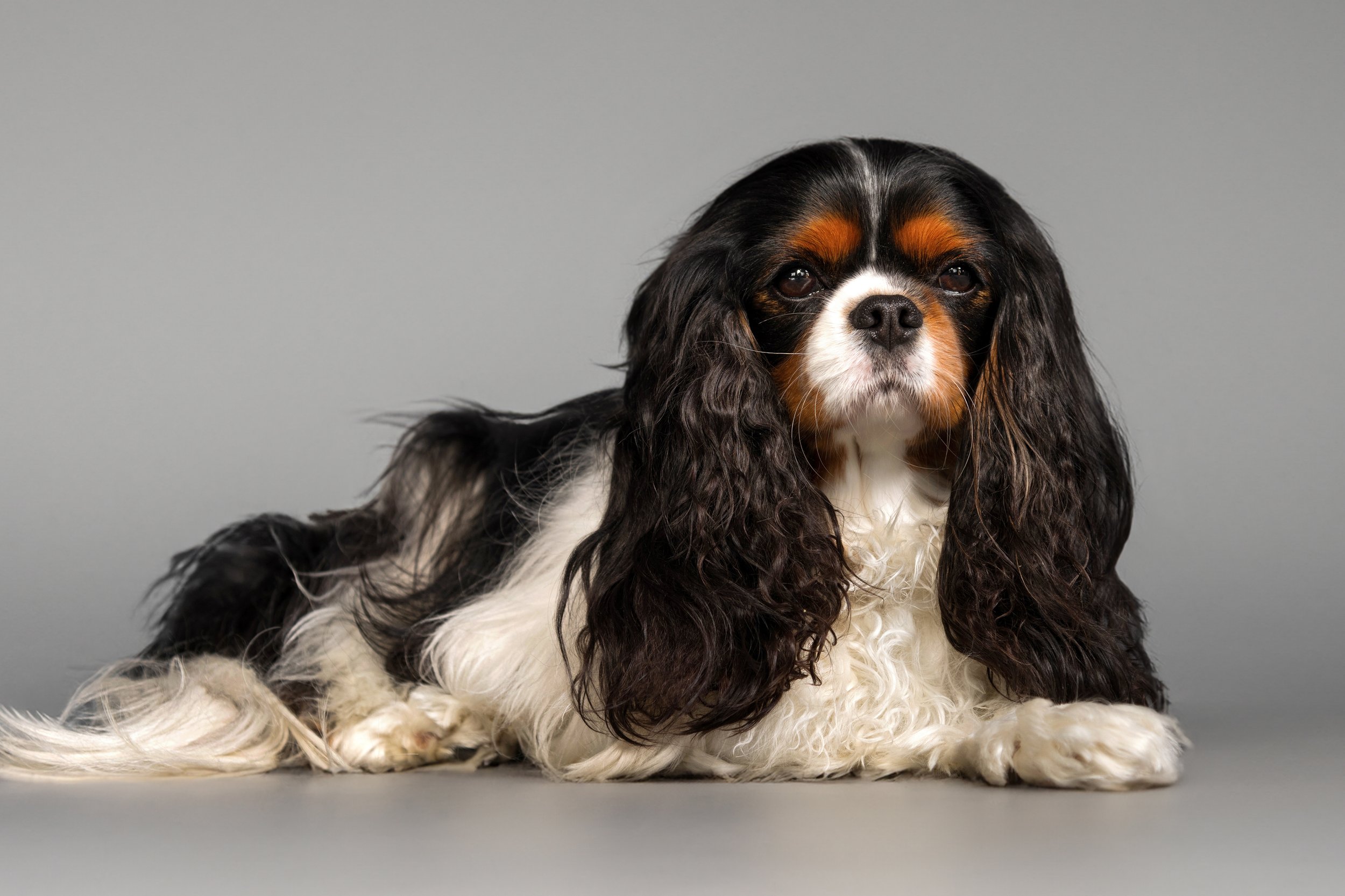
Studies look for potential therapy targets for dogs with Chiari-like malformation
A pair of studies from North Carolina State University looked for biomarkers and genetic markers of a syndrome associated with skull malformations common in Cavalier King Charles spaniels (CKCS) and other toy breeds. The findings could lead to better targeted therapeutics for symptoms as well as potential genetic targets for treatment.

How modern dog ownership has redefined family and parenting
Birth rates are declining worldwide, while dog parenting practices are gaining popularity. What does this growing “furry children” trend reveal about our societies? Researchers from Eötvös Loránd University suggest that, while dogs do not actually replace children, they may, in some cases, offer an opportunity to fulfil a nurturing drive similar to parenting, but with fewer demands than raising biological offspring. Their review, published in European Psychologist, also examines how the shifting roles of dogs within modern family structures are influenced by individual circumstances, but also by cultural norms.