


Endangered Means Nothing? New Rule Could Gut Key Wildlife Protections
The U.S. Fish and Wildlife Service and the National Oceanic and Atmospheric Administration jointly released the proposal, which seeks to reverse a decades-old interpretation that includes habitat degradation as a form of harm to endangered and threatened species. Under the proposed changes, only direct actions—such as hunting or physically injuring a species—would be considered harmful.

Cat Vet Genius or Cat-astrophic Fail? Dr. Christina Kaye Takes on Brain Smarts!
What happens when you mix fast-paced veterinary trivia, unpredictable challenges, and a vet with a passion for feline medicine? You get an electrifying episode of Brain Smarts by Vet Candy, where knowledge meets comedy, and the stakes are higher than a giraffe’s blood pressure! Brought to you by PRN Pharmacal, makers of KBroVet CA-1. Learn more at KBroVet.com!

NIH’s initiative to prioritize human-based research a ‘big win for animals,’ says doctors group
The nonprofit Physicians Committee for Responsible Medicine, which promotes the use of human-based research to improve health and replace animal use, enthusiastically supports the U.S. National Institutes of Health’s landmark commitment to prioritize innovative, human-based methods, like organoids, tissue chips, computational models, and real-world data analyses, while reducing animal use.

Artificial Wetlands Could Save the Axolotl—And Revolutionize Wildlife Conservation
A new conservation breakthrough could change the fate of one of the world’s most endangered animals—and reshape how we save species in the age of climate change. Captive-bred axolotls, the gilled amphibians native to Mexico, are not just surviving but thriving in artificial wetlands, according to a new study published in PLoS ONE.
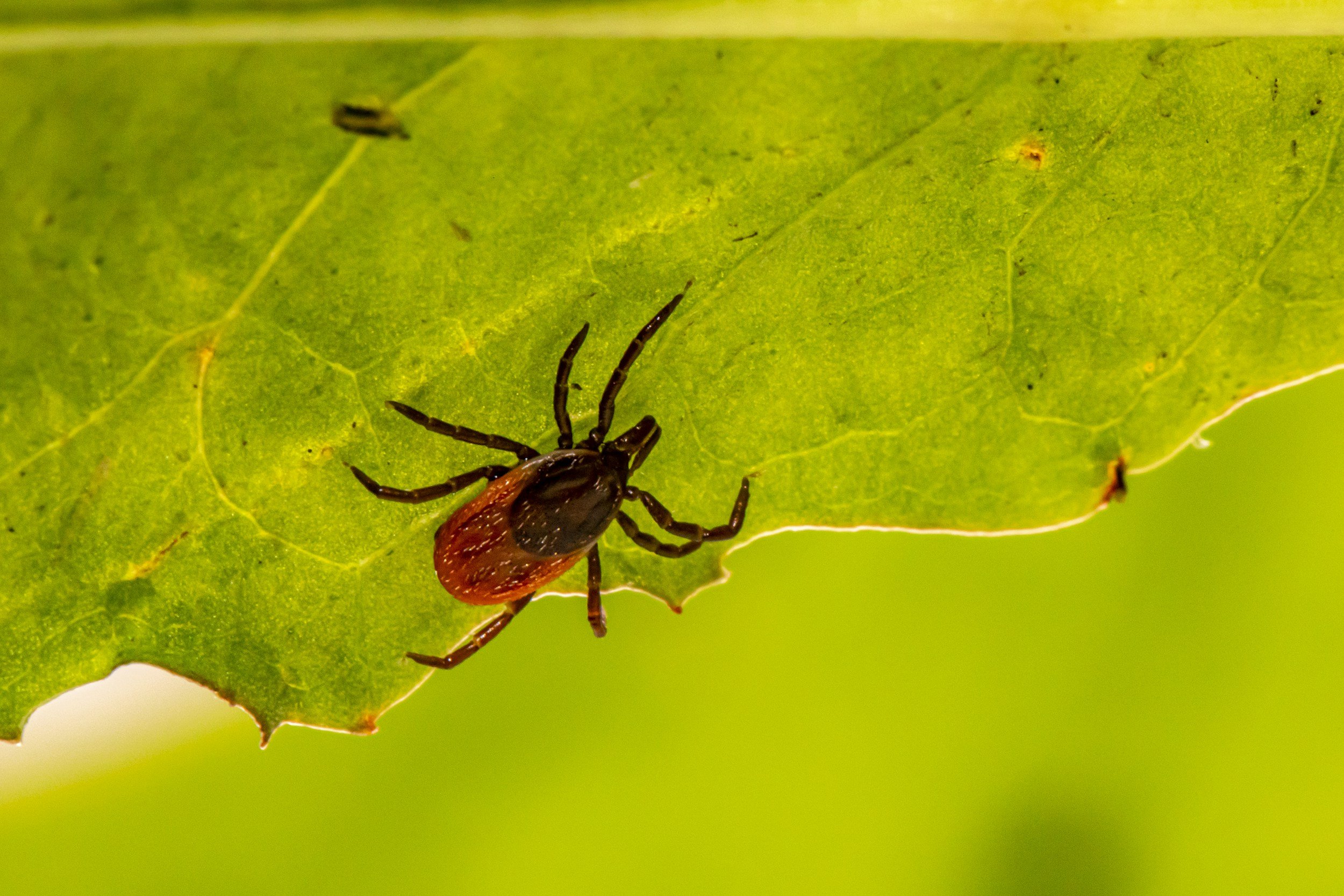
Nature's Secret Weapon Against Ticks? These Animals Fight Back—And Scientists Say It Could Lead to a Game-Changing Vaccine
Just in time for tick season, scientists have discovered a natural superpower in animals that could revolutionize how we fight ticks—and the dangerous diseases they spread. New research out of Washington State University reveals that animals like deer mice, rabbits, and cattle can actually develop resistance to tick bites. And once they do, tick populations start to plummet.

Road traffic accidents leading cause of pet cat deaths in the UK, Bristol Cats study finds
Road traffic accidents (RTAs) are the leading cause of death among UK pet cats who are 8 years old or younger, new research has found. This is the first UK-wide study to assess mortality and survival rates in pet cats to include those that do not attend vets or have insurance. The study, by the University of Bristol Veterinary School and Cats Protection, is published in the Journal of Feline Medicine and Surgery.