



Veterinary Schools Face New Rules: Why Hands-On Training Can't Go Virtual
Many veterinary programs already incorporate distance education (DE) through online courses, video lectures, teleconferencing, and hybrid models. Now, the AVMA Council on Education (COE) has formally introduced policies guiding how DE should be used in veterinary education.

OSU’s $295 Million Gamble: Will It Save Their Veterinary School's Reputation?
Oklahoma State University (OSU) is asking state lawmakers for a $295 million appropriation to help its College of Veterinary Medicine maintain long-term accreditation and boost recruitment of both faculty and students. The proposed funding would support construction of a new animal teaching hospital and provide student scholarships. This comes after OSU’s veterinary college was placed on probationary accreditation last September, although it was recently removed from that list.
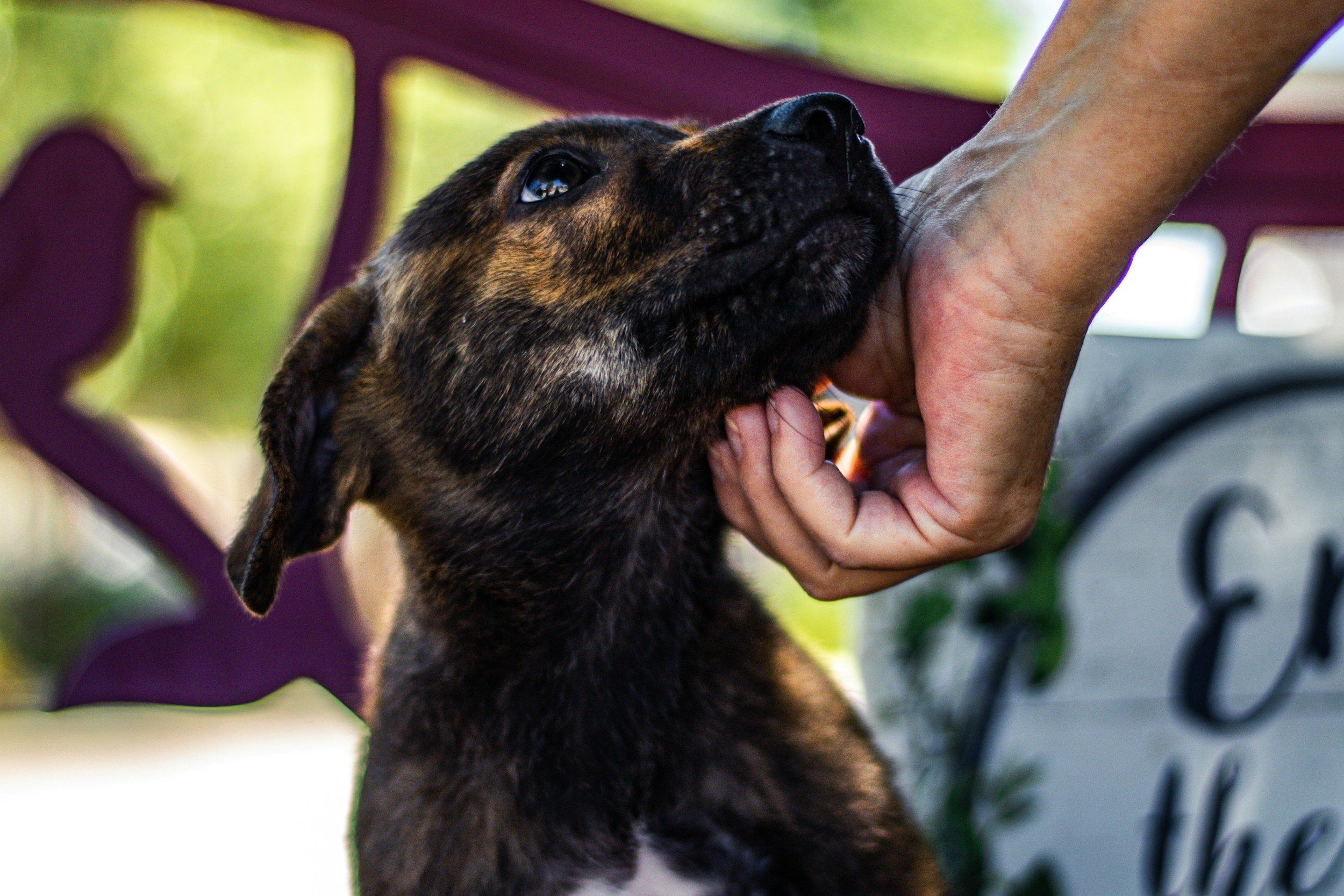
$11 Million Surprise: Lyon College's Bold Move to Transform Shelter Medicine!
Lyon College announced it has received an $11 million donation from the Arkansas Animal Rescue Foundation (AARF) to create the Katharine Reese Shelter Medicine and Animal Welfare Program at its upcoming School of Veterinary Medicine in Cabot.

Meet the Future of Veterinary Medicine: Nebraska's Elite 11 Program is Changing the Game!
Twenty high school seniors from across Nebraska have been chosen for the second cohort of the University of Nebraska–Lincoln's Elite 11 Veterinarian Program, a competitive initiative aimed at boosting the number of production animal veterinarians in the state.

AVMA’s Council on Education Cites Federal Pressure in Controversial Decision to Eliminate Diversity Reporting Requirements
In a move that has sent ripples through the veterinary education community, the American Veterinary Medical Association’s (AVMA) Council on Education (COE) announced on March 19, 2025, that veterinary colleges will no longer be required to report on or comply with accreditation standards related to diversity, equity, and inclusion (DEI). As women now comprise over 60% of veterinarians, and more than 85% of veterinary students, the Council on Education's rollback of diversity, equity, and inclusion requirements raises questions about the profession's commitment to inclusivit

The Flesh-Eating Parasite Creeping Toward the U.S.—And Why Vets Are the Only Ones Who Can Stop It
A dangerous flesh-eating parasite is inching closer to the United States—and veterinarians may be the last line of defense.
The New World screwworm (NWS), a deadly fly whose larvae consume the living tissue of warm-blooded animals, has breached a once-reliable barrier in Panama and is rapidly moving north. Now, animal health officials warn that U.S. veterinarians must be ready to detect and respond before the parasite spreads unchecked.