



Dog Beats Cancer Odds After Successful Completion of Clinical Trial
In February 2023, Lola, a 9-year-old golden retriever, was diagnosed with oral melanoma, an aggressive cancer in her mouth that had already spread to her lungs. Lola’s veterinarian told her owner, Allison Roth, that Lola most likely had less than six months to live. She was referred to the Oncology Service at the UC Davis William R. Pritchard Veterinary Medical Teaching Hospital for treatment options.

Shocking Move: Top Mexican Vet School Drops U.S. Accreditation!
In a surprising turn for international veterinary education, the National Autonomous University of Mexico (UNAM) Faculty of Veterinary Medicine—often hailed as the oldest veterinary school in the Western Hemisphere—has voluntarily withdrawn from accreditation by the AVMA Council on Education (COE), effective at the end of 2025.
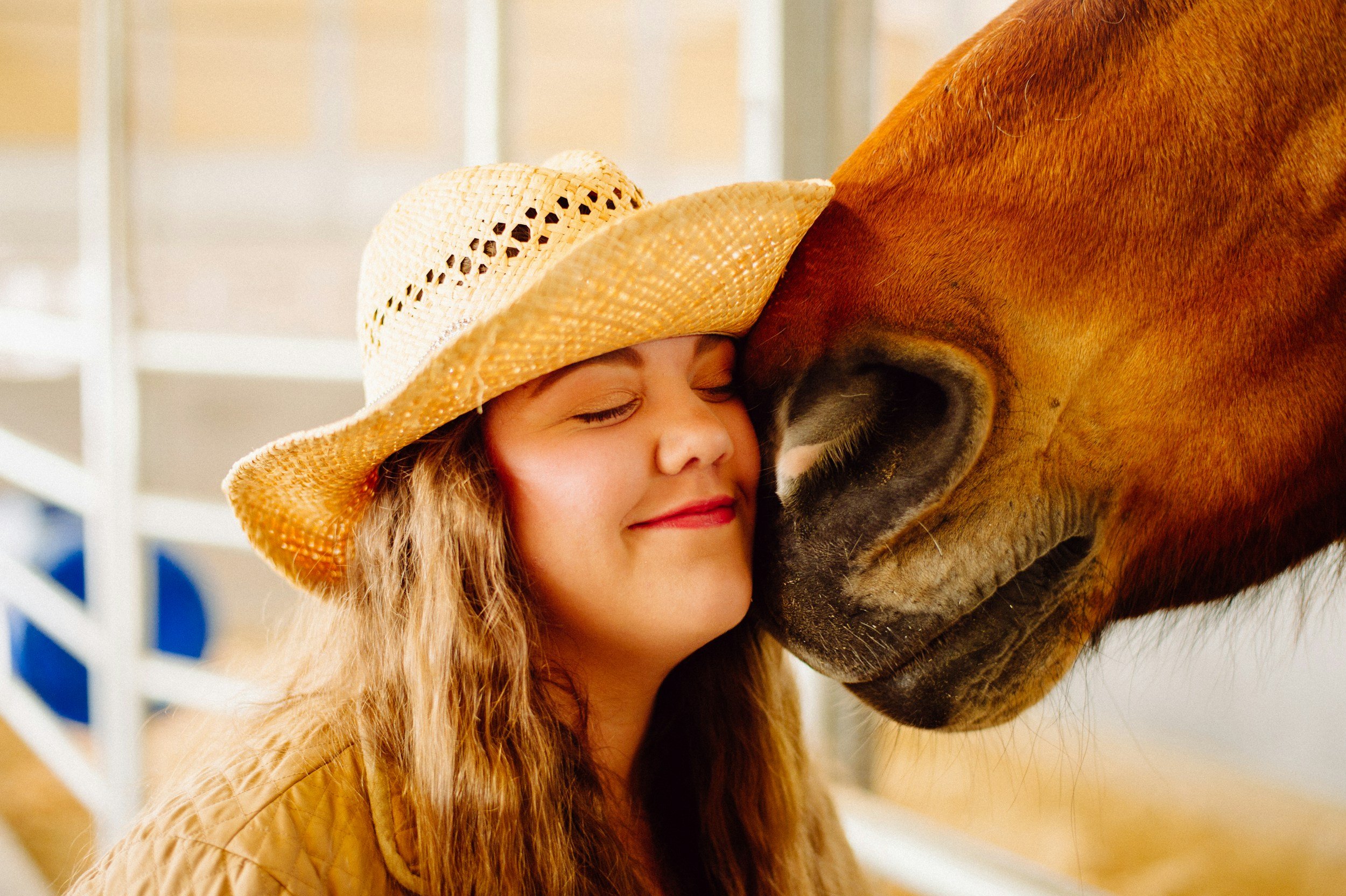
Zoetis Equine Launches the “Buy Less Dewormer” Campaign
Zoetis Inc., the world’s leading animal health company, has launched an awareness campaign encouraging horse owners to rethink their deworming practices and potentially buy less dewormer. The campaign comes after updated 2024 deworming guidelines from the American Association of Equine Practitioners (AAEP) and growing concern around widespread anthelmintic resistance.

Scientists Are Cracking the Cat Code—And Your Patients Could Help
In a bold new collaboration, a group of scientists, veterinarians, and cat lovers is coming together to decode feline DNA and revolutionize how we understand and care for our cats. The project—called Darwin’s Cats—is the largest community-powered study of feline genetics ever launched, and it could hold the key to healthier, longer lives for cats everywhere.

Face processing abnormalities identified in autism dog model
A new study has revealed that Beagle dogs carrying mutations in the Shank3 gene—a high-risk gene for autism spectrum disorder (ASD)—exhibit face processing abnormalities similar to those observed in human ASD patients.

UK dog owners prefer crossbreeds and imports to domestic pedigree breeds
The UK pedigree dog population shrank by a yearly decline of 0.9% between 1990 and 2021, according to research published in Companion Animal Genetics and Health. The study highlights a rise in the populations of crossbreeds and imported pedigree dogs since 1990, but finds that only 13.7% of registered domestic pedigree dogs were used for breeding between 2005 and 2015.