



Microplastics detected in cat placentas and fetuses during early pregnancy
In a small study of eight cats at early stages of pregnancy, researchers detected 19 different kinds of microplastic particles in fetuses from two cats and in the placentas of three cats. Ilaria Ferraboschi of the University of Parma, Italy, and colleagues present these findings in the open-access journal PLOS One on April 2, 2025.

Veterinary Interns Sue Over Alleged Wage Suppression in Antitrust Lawsuit
A federal antitrust lawsuit filed in Virginia has sparked attention within the veterinary field, alleging that universities, animal hospitals, and a prominent veterinary trade association engaged in a conspiracy to suppress wages and restrict job mobility for veterinary interns and residents.

University of Minnesota Leads $1.5M USDA Initiative to Combat Bird Flu in Dairy Cattle
The University of Minnesota’s College of Veterinary Medicine has been awarded a $1.5 million grant from the U.S. Department of Agriculture (USDA) to tackle one of agriculture’s most pressing threats: the spread of highly pathogenic avian influenza (HPAI) in dairy cattle.

Rhode Island’s Only Nonprofit Veterinary Clinic to Close Amid Financial Strain
A critical resource for Rhode Island pet owners is disappearing. The Pets In Need Veterinary Clinic, the state’s sole nonprofit full-service veterinary facility, will close permanently on April 25, the Potter League for Animals announced Friday.
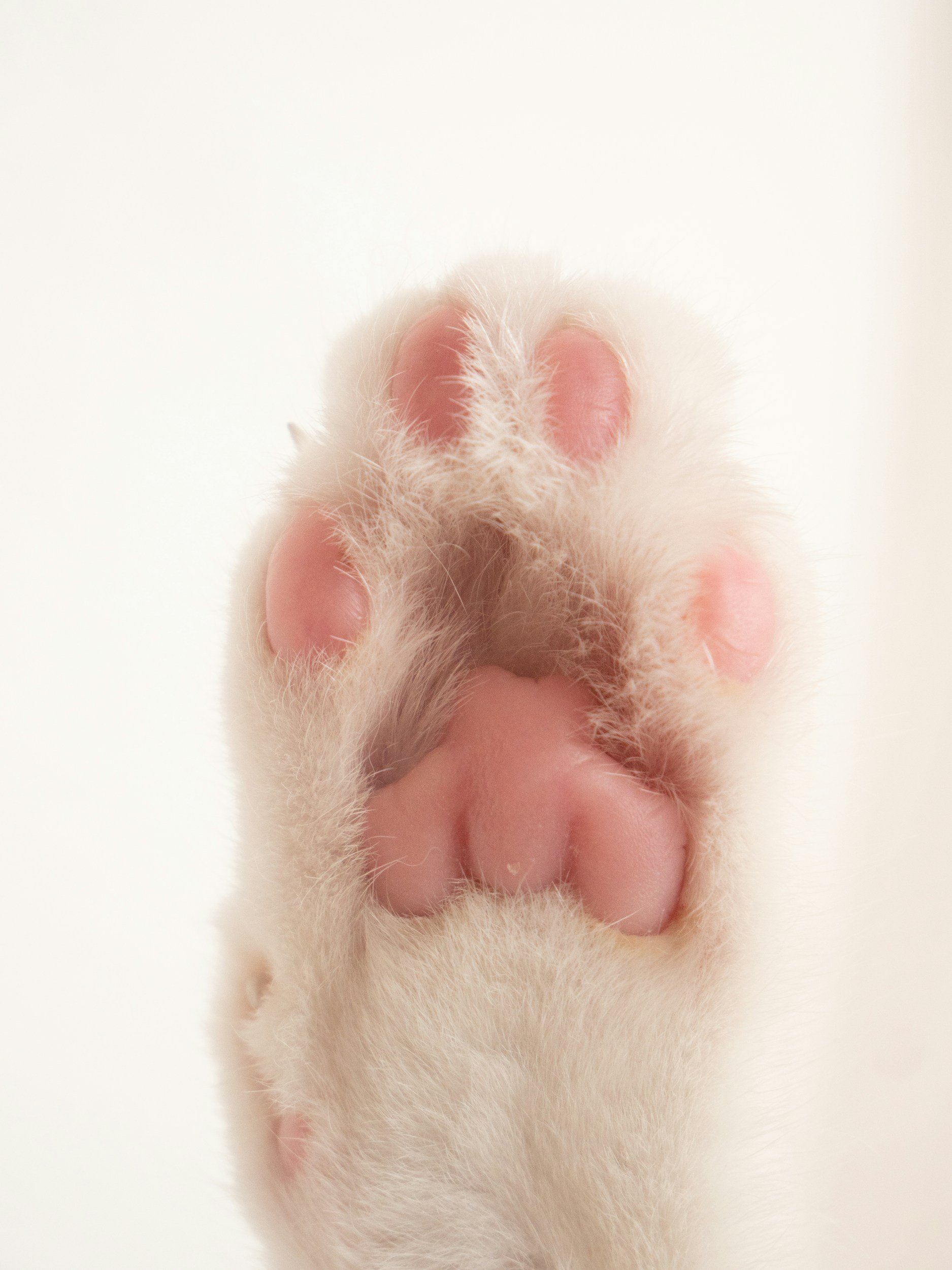
Calfornia’s Cat Declawing Ban Faces Familiar Foe: The Veterinary Lobby
Despite bipartisan support and graphic testimony, past efforts to outlaw the controversial procedure have quietly died—but advocates hope this year will be different.

New Study Reveals Financial Challenges and Evolving Trends in Equine Veterinary Care
A groundbreaking study from the University of Kentucky’s Martin-Gatton College of Agriculture, Food and Environment (CAFE) offers fresh insights into how horse owners manage veterinary care for their animals—and the financial hurdles many face. Published in Equine Veterinary Education, the research underscores gaps in emergency preparedness and explores innovative solutions, including telemedicine, to bridge the growing demands of equine health care.