


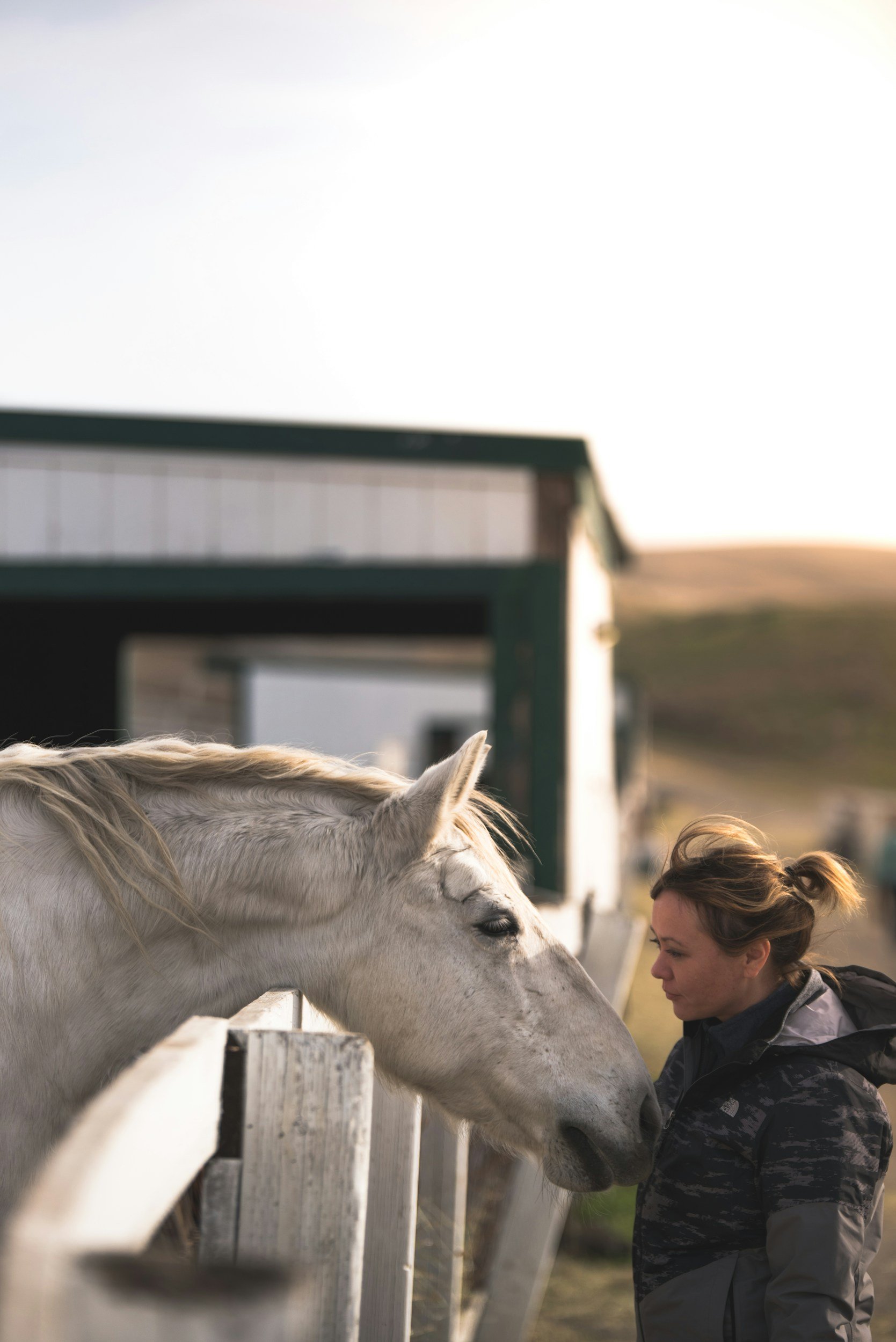
Cornell Equine Advancing Research, Training and Community for Horse Health
A new Cornell initiative aims to make a positive impact on horses worldwide. Cornell Equine is a university-wide collaboration between equine researchers, educators, practitioners and athletes at the College of Veterinary Medicine (CVM), the College of Agriculture and Life Sciences (CALS) and Cornell University Athletics and was launched at the end of 2024.
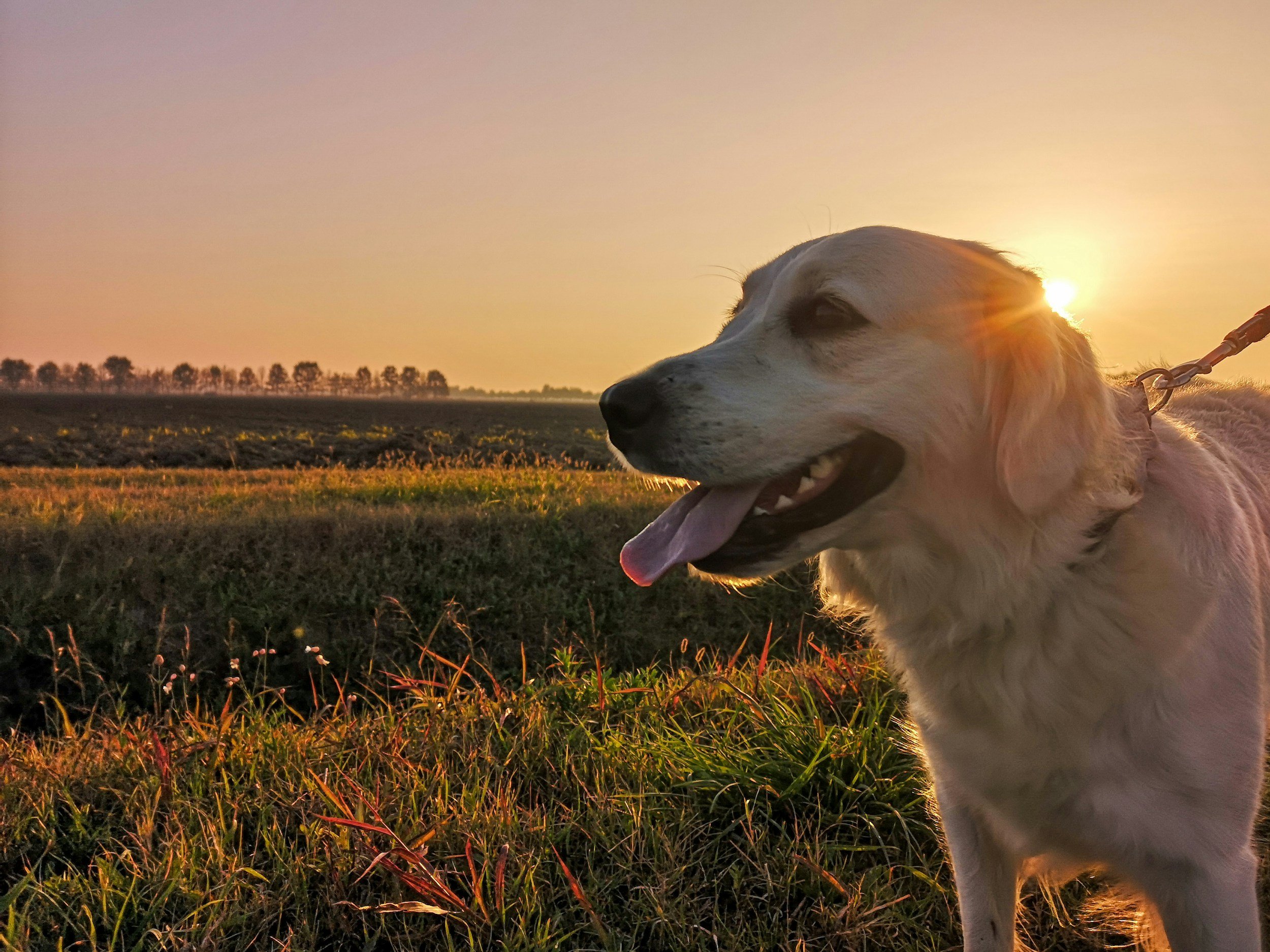
Cornell helps aging dogs increase their quality of life
TUG stands for “timed up and go.” It’s a test derived from human medicine, timing how long it takes someone to get up from a chair, walk a distance, turn around and sit back down. Chris Frye, D.V.M. section chief of the Sports Medicine and Rehabilitation Service, is senior author on a paper in the American Journal of Veterinary Research that establishes TUG as the first practical and reliable functional test of canine geriatric mobility.

US bird populations continue alarming decline, new report finds
The release of the 2025 U.S. State of the Birds report was announced today at the 90th annual North American Wildlife and Natural Resources Conference in Louisville, Kentucky. The report, produced by a coalition of leading science and conservation organizations, reveals continued widespread declines in American bird populations across all mainland and marine habitats, with 229 species requiring urgent conservation action. The report comes five years after the landmark 2019 study that documented the loss of 3 billion birds in North America over 50 years.
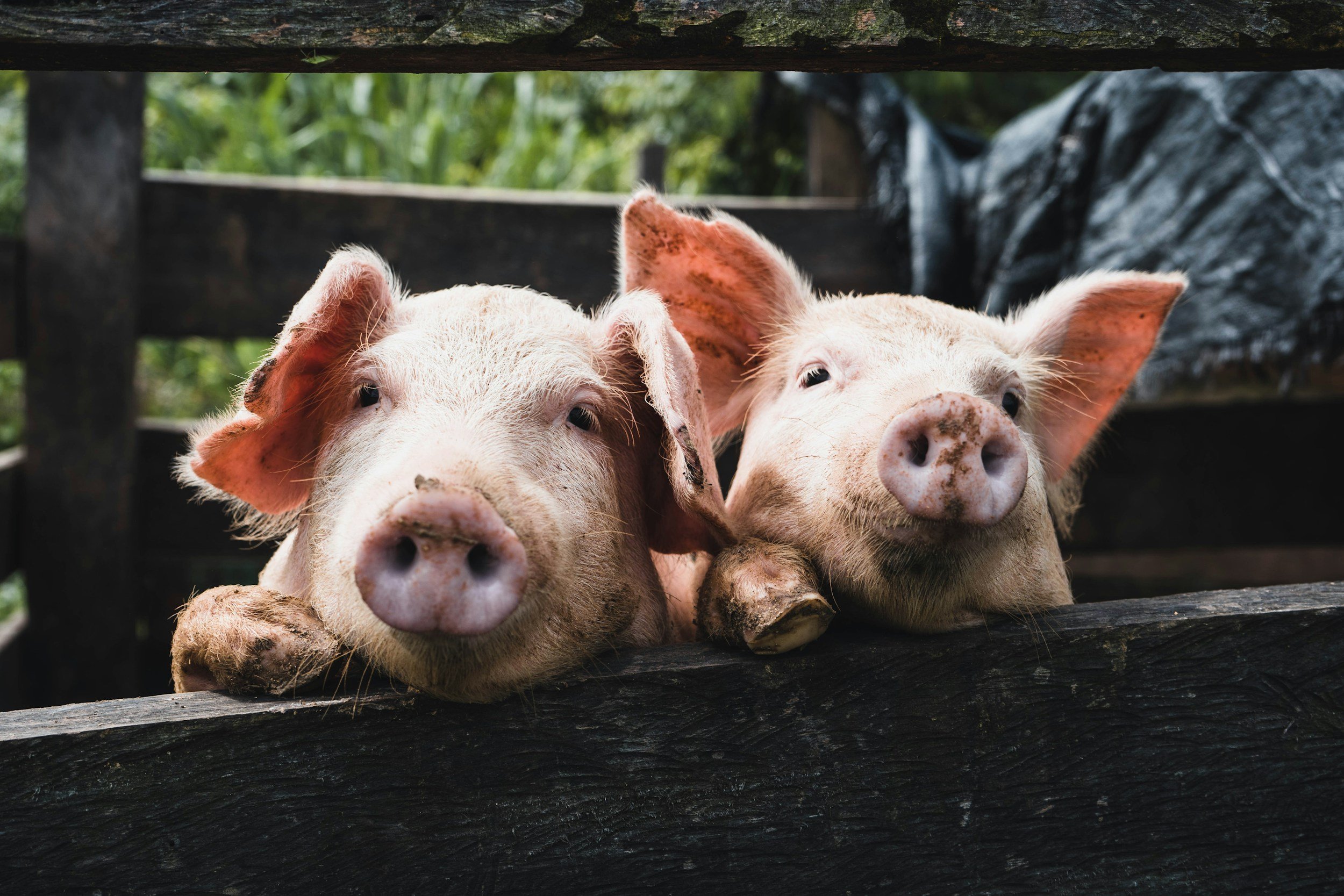
Texas A&M Researcher compares AI, human evaluators in swine medicine
A Texas A&M Veterinary Education, Research, & Outreach (VERO) program-led research team is studying whether artificial intelligence (AI) could play a supportive role in the evaluation of respiratory disease in pigs.
In their recently published study, the team, led by Dr. Robert Valeris-Chacin, an assistant professor at VERO in the Texas A&M College of Veterinary Medicine & Biomedical Sciences’ (VMBS) Department of Veterinary Pathobiology, assessed the capabilities of an AI to detect lesions in pig lungs, which can be a sign of pneumonia-causing bacteria.
Texas A&M researchers identify early signs of GI disease risk in dogs
Researchers at the Texas A&M Gastrointestinal Laboratory (GI Lab) have discovered signs that can be used to identify dogs with a high risk of gastrointestinal disease — which causes more than 10% of all new visits to a veterinarian — before they develop symptoms.
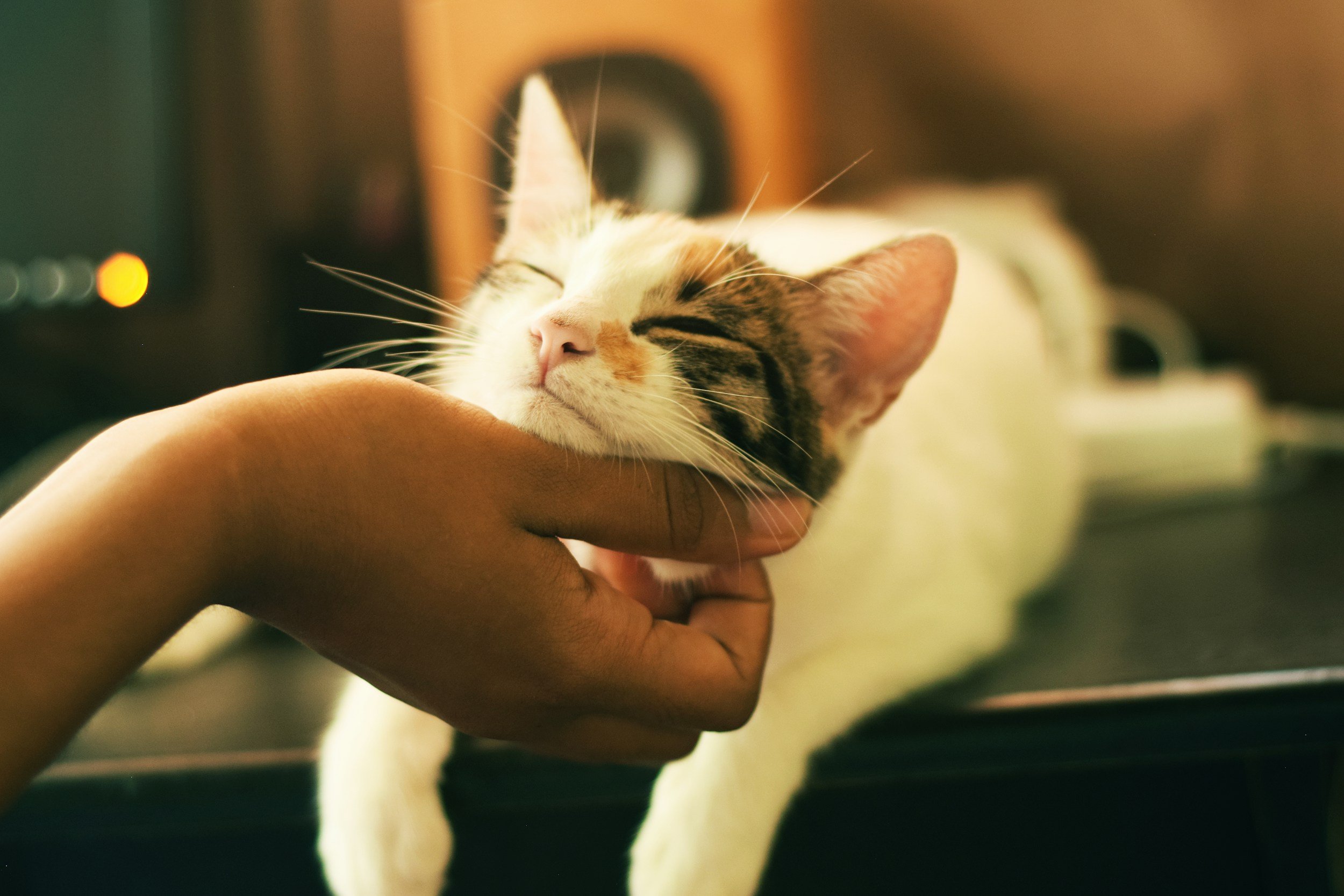
FDA Conditionally Approves Drug for Management of Ventricular Hypertrophy in Cats
Today, the U.S. Food and Drug Administration is announcing the conditional approval of Felycin-CA1 (sirolimus delayed-release tablets) for the management of ventricular hypertrophy in cats with subclinical hypertrophic cardiomyopathy (HCM). This is the first product approved for use in cats with HCM for any indication.