


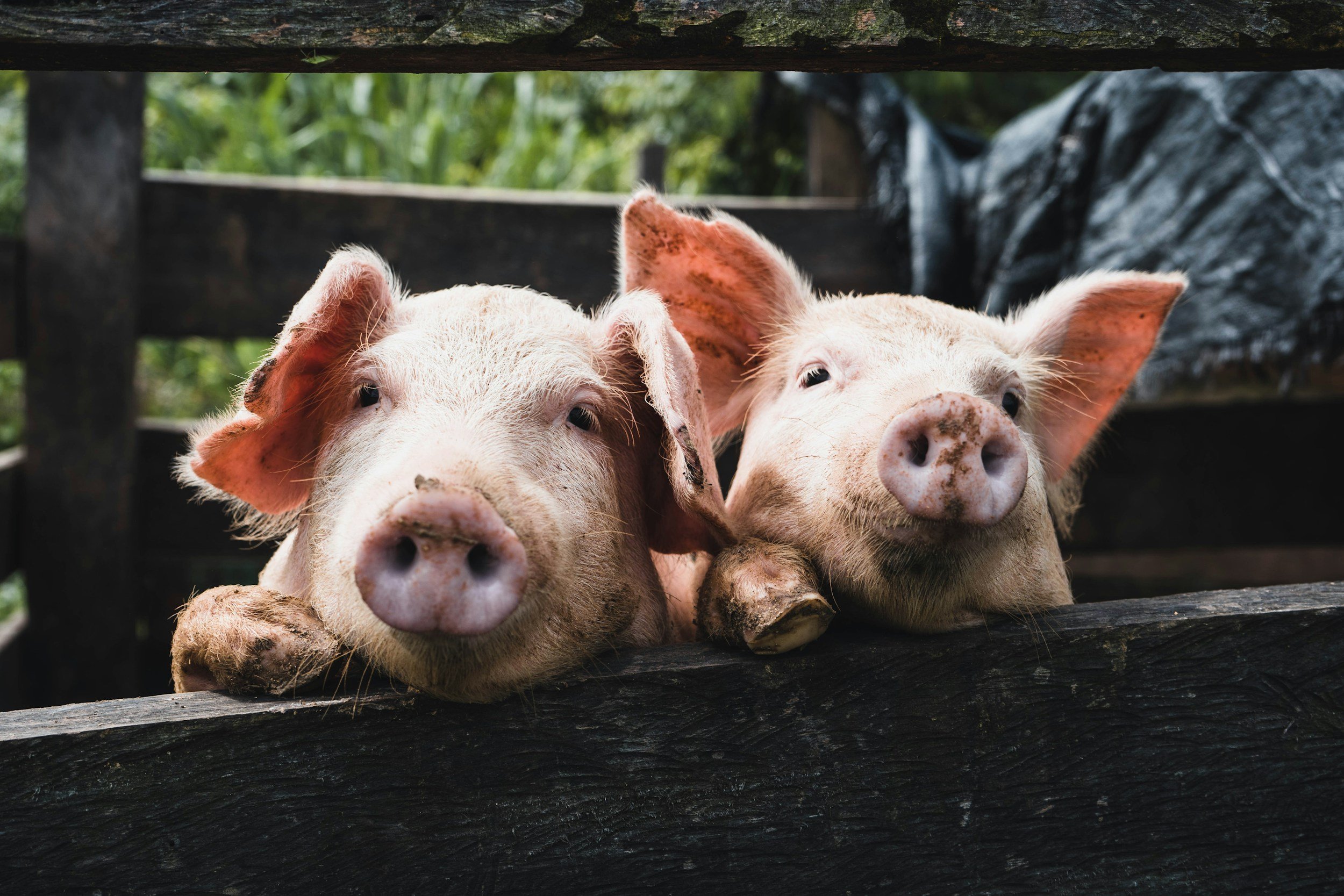
Texas A&M Researcher compares AI, human evaluators in swine medicine
A Texas A&M Veterinary Education, Research, & Outreach (VERO) program-led research team is studying whether artificial intelligence (AI) could play a supportive role in the evaluation of respiratory disease in pigs.
In their recently published study, the team, led by Dr. Robert Valeris-Chacin, an assistant professor at VERO in the Texas A&M College of Veterinary Medicine & Biomedical Sciences’ (VMBS) Department of Veterinary Pathobiology, assessed the capabilities of an AI to detect lesions in pig lungs, which can be a sign of pneumonia-causing bacteria.
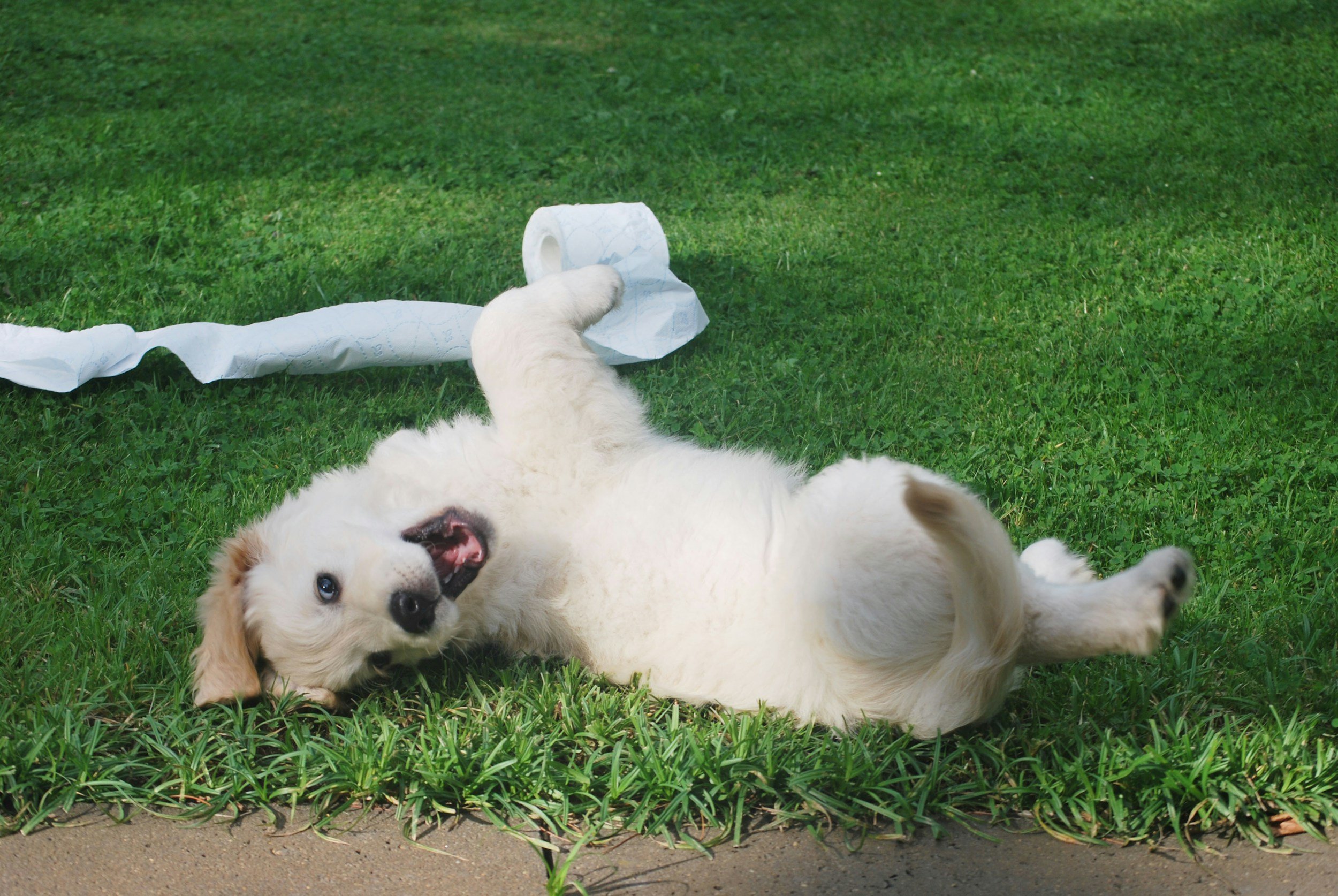
Texas A&M researchers identify early signs of GI disease risk in dogs
Researchers at the Texas A&M Gastrointestinal Laboratory (GI Lab) have discovered signs that can be used to identify dogs with a high risk of gastrointestinal disease — which causes more than 10% of all new visits to a veterinarian — before they develop symptoms.
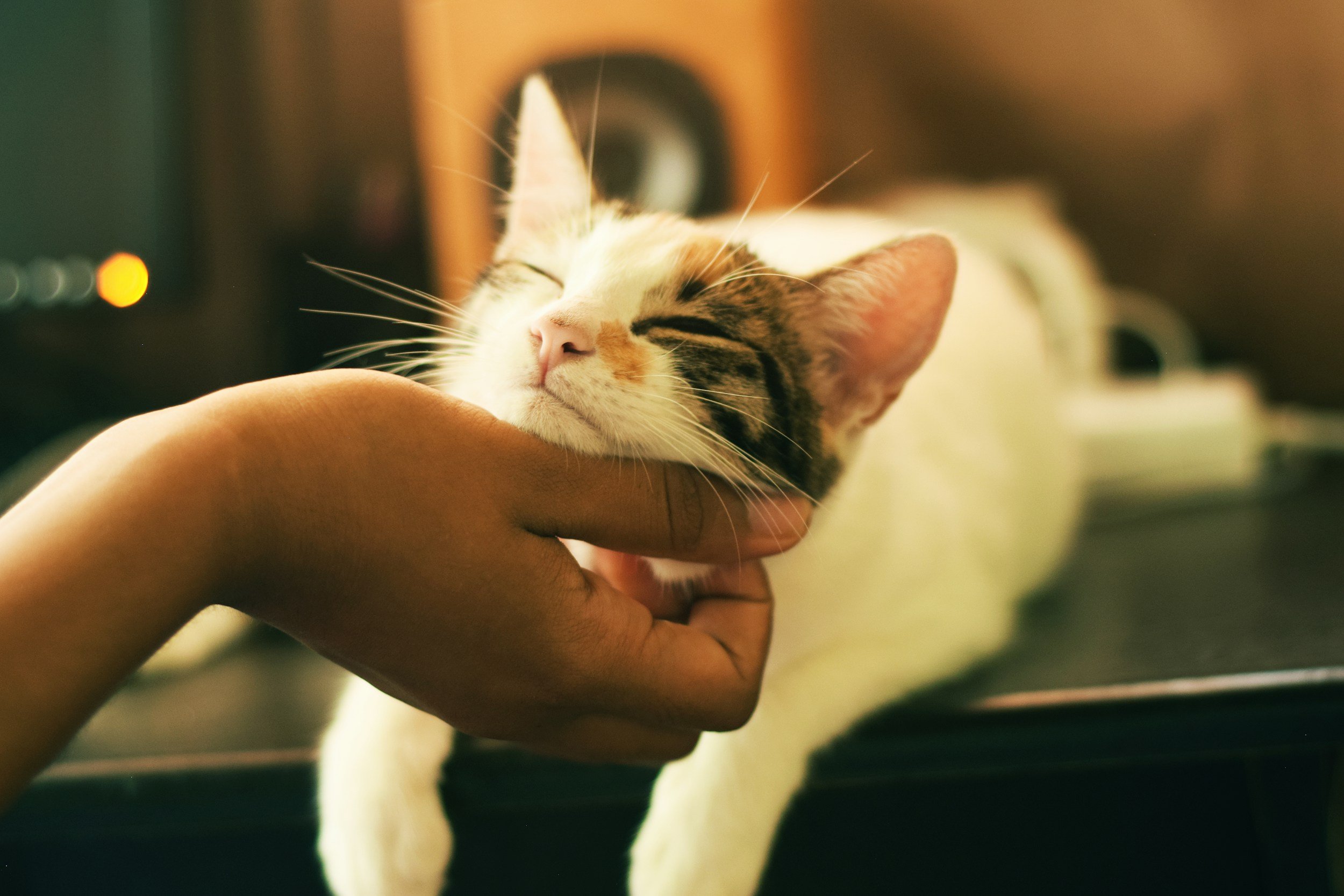
FDA Conditionally Approves Drug for Management of Ventricular Hypertrophy in Cats
Today, the U.S. Food and Drug Administration is announcing the conditional approval of Felycin-CA1 (sirolimus delayed-release tablets) for the management of ventricular hypertrophy in cats with subclinical hypertrophic cardiomyopathy (HCM). This is the first product approved for use in cats with HCM for any indication.

From High School Dream to Global Impact: How Amanda Mills is Changing the Future of Veterinary Medicine
For many high school students, the path to a career can be unclear. But for Amanda Mills, the moment everything clicked came at just 16 years old. It was there, in the operating room, where she watched a tumor removal surgery on a python, and her future was set. The precision, the care, the life-saving potential—it all resonated deeply within her, fueling an unwavering passion to become a veterinarian. Now, as a first-year veterinary student at Purdue University College of Veterinary Medicine, Amanda is not only pursuing her dream but shaping the future of veterinary medicine.

Holistic Medicine: Why It’s More Than Just a Trend
In recent years, holistic veterinary medicine has emerged as a dynamic alternative to traditional approaches, capturing the attention of pet owners and practitioners alike. With a growing awareness of what truly goes into a pet’s health, more people are turning to natural, preventative options that emphasize overall wellness. Dr. Christine Pedranghelu, a leader in holistic veterinary care, explains that this shift isn’t just a fad—it’s a response to a deeper desire for more comprehensive, personalized health care for our animal companions.

From ER Vet to Holistic Healer: Dr. Christine Pedranghelu’s Wild Ride in Veterinary Medicine!
Dr. Christine Pedranghelu has never been one to follow the traditional path. From working with exotic animals to pioneering holistic treatments in veterinary medicine, her career has been anything but ordinary. She’s practiced in California, Florida, and now New York, experiencing nearly every corner of the veterinary world—emergency medicine, zoo and aquatic animal care, small animal general practice, and now, holistic medicine.