



How an emerging disease in dogs is shedding light on cystic fibrosis
A canine gallbladder disease that involves the accumulation of abnormal mucus similar to that seen in human cystic fibrosis (CF) patients is caused by improper expression of the gene associated with CF in humans. The finding could have implications for human CF patients as well as for animal models of CF.

Study of deadly dog cancer reveals new clues for improved treatment
Researchers at the University of Florida College of Veterinary Medicine and the UF Health Cancer Center have identified a crucial link between a gene mutation and immune system signaling in canine hemangiosarcoma, a discovery that could lead to better treatments for both dogs and humans with similar cancers.

Protected habitats aren’t enough to save endangered mammals, MSU researchers find
Tropical forests are massive biodiversity storehouses. While these rich swathes of land constitute less than one-tenth of Earth’s surface, they harbor more than 60% of known species. Among them is a higher concentration of endangered species than anywhere else on Earth.
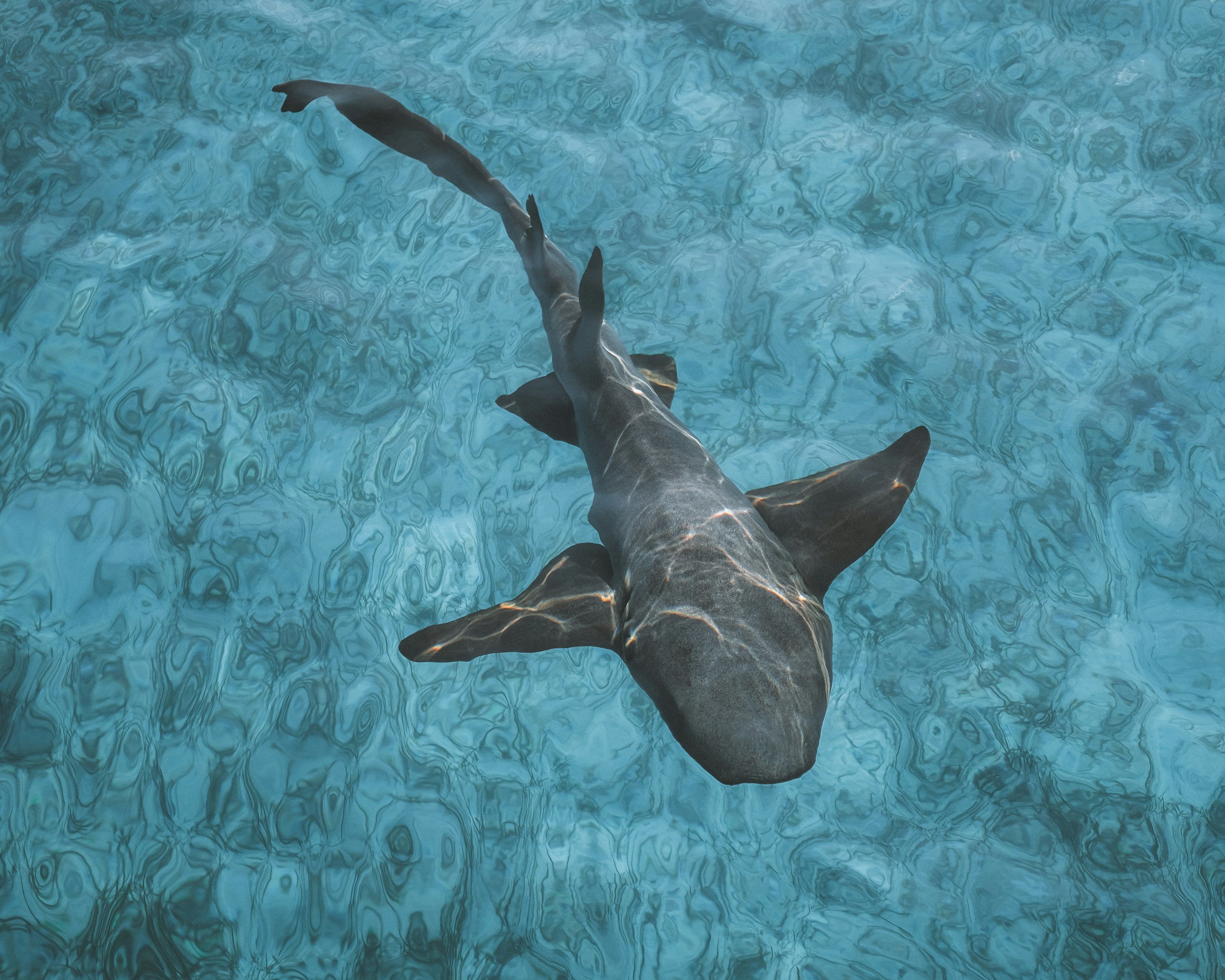
Scientists call for efforts to protect habitats of critically endangered shark species
A critically endangered species of shark could be forced to adapt to new habitats – or face extinction – as a result of changes in the ocean predicted to occur as a result of climate change, a new study has suggested.
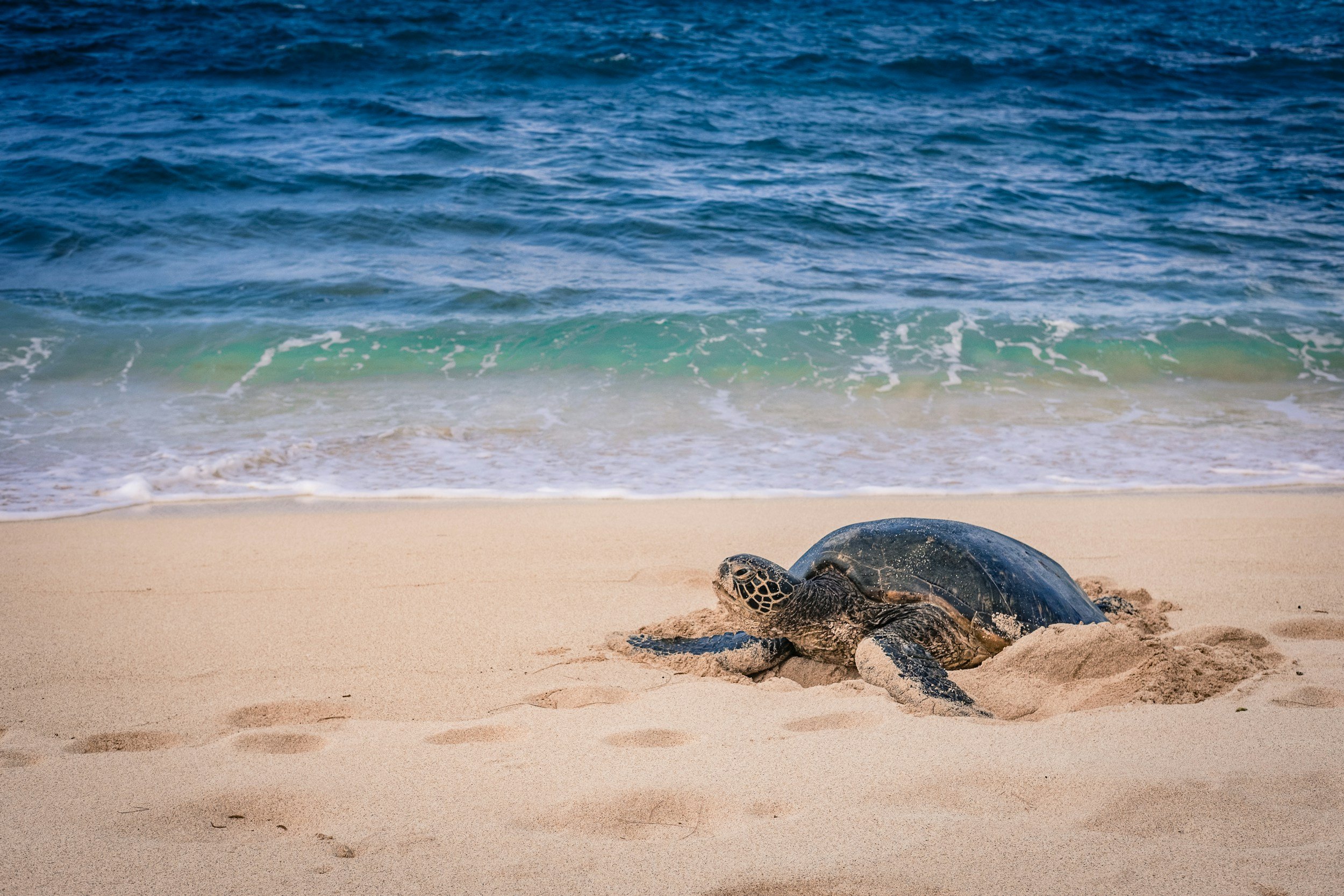
Turtles change nesting patterns in response to climate change
New research shows that turtles are responding to climate change by nesting earlier.
Researchers monitoring nesting green and loggerhead turtles in Cyprus have discovered they are returning to their regular nesting spots earlier each year to compensate for rising temperatures.
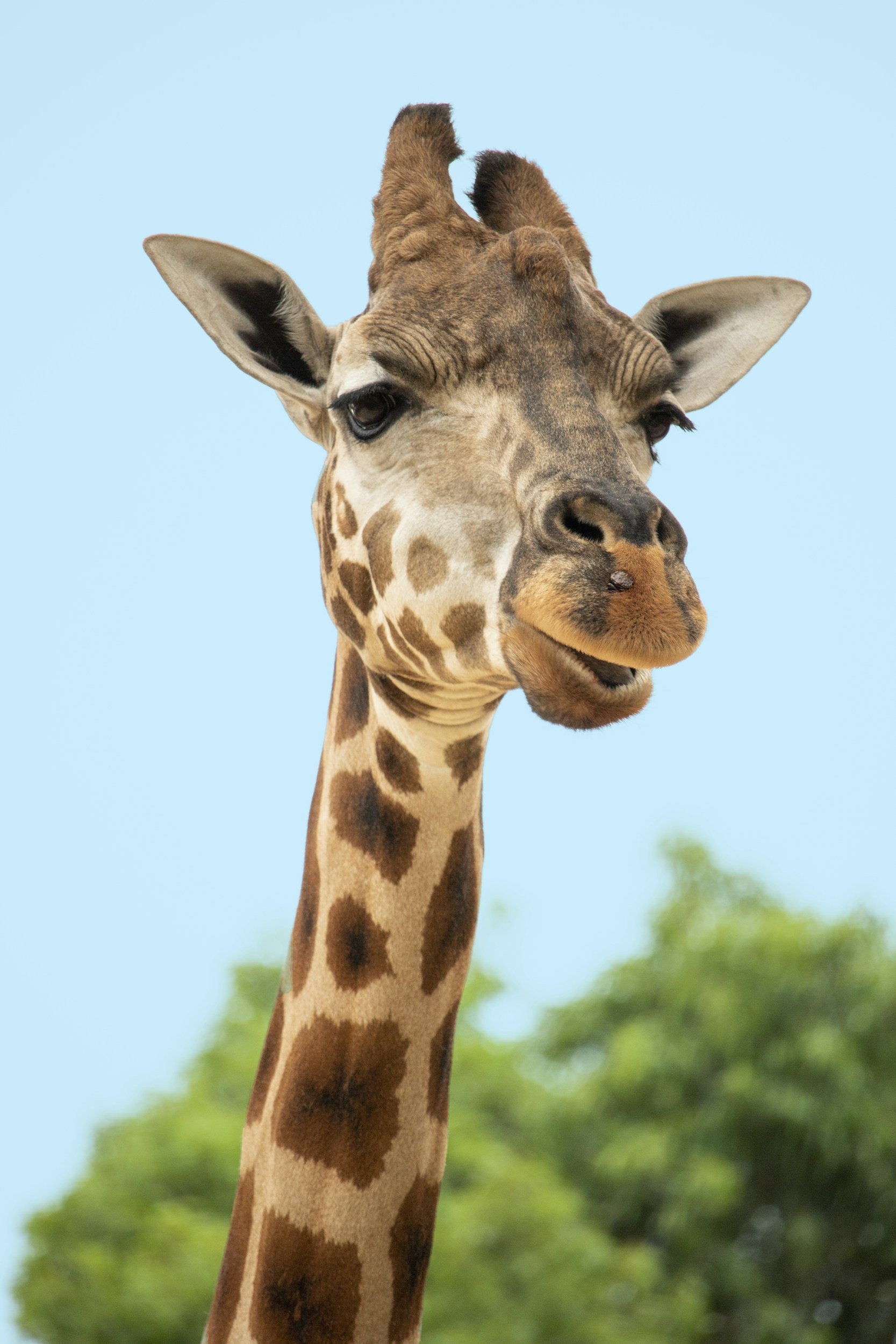
Unexpected discoveries in study of giraffe gut flora
The gut bacteria of giraffes are not primarily determined by what they eat, but by the species they belong to. This is shown in a new study from Uppsala University and Brown University in which researchers have analysed the link between diet and gut flora in three giraffe species in Kenya. The study also provides new knowledge that can help secure the food supply of endangered giraffe species.