



How to Keep Your Family from Driving You CRAZY (Without Losing Your Mind
Let’s be real: no matter how old you get, your parents can still push all the buttons. Whether it’s unsolicited advice, intrusive questions about your life, or constant overstepping, dealing with your parents as an adult can feel like you’ve hit a breaking point. But the truth is, you don’t have to let them drive you insane. In some cases, you might even need to consider going no contact for your own peace of mind. Here’s how to navigate that tricky dynamic, including when it’s time to just take a step back—far, far back.
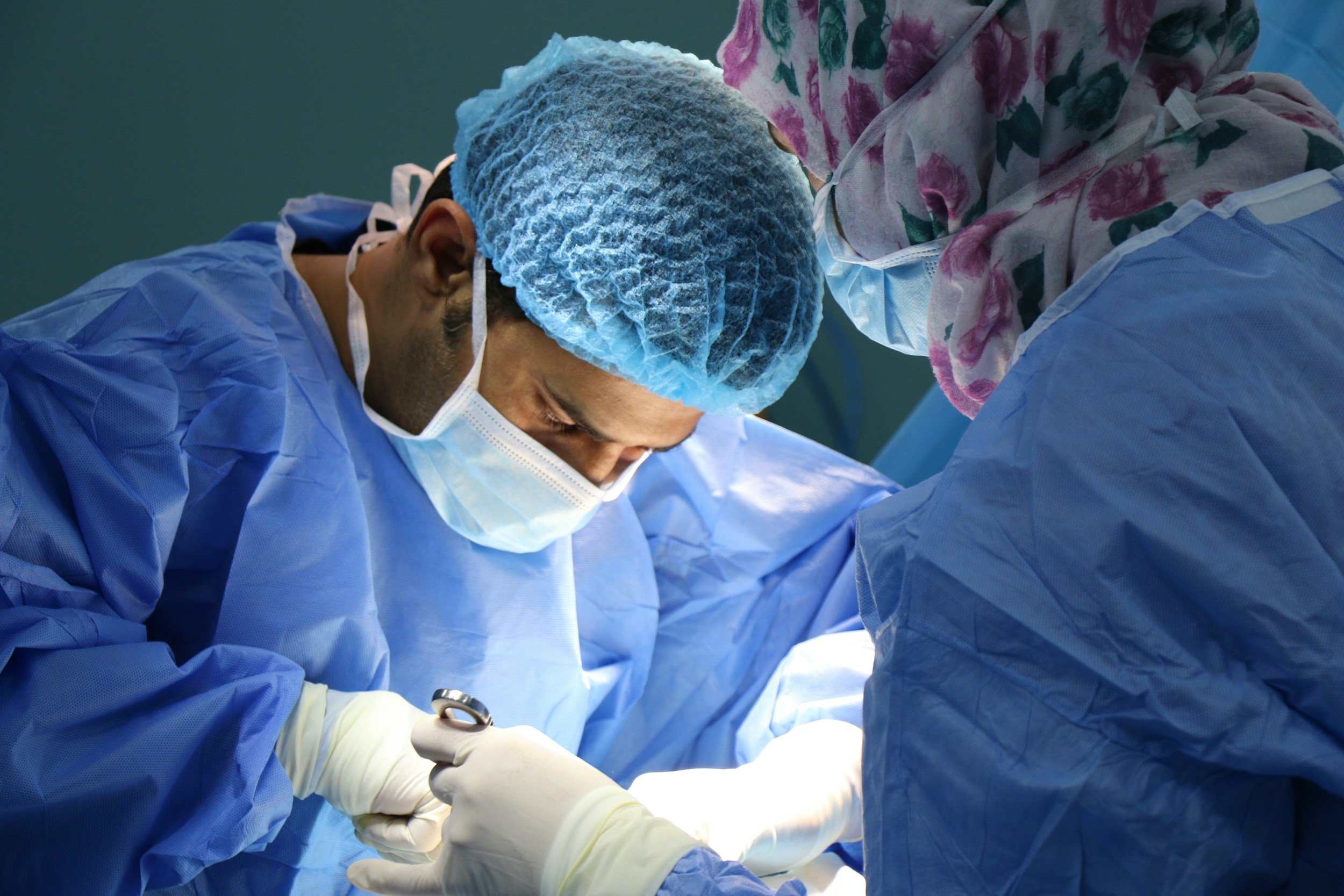
Comparison of Survival After Treatment of Intracranial Meningioma in Dogs: Radiotherapy vs. Surgery
A recent study compared the survival outcomes of dogs with suspected intracranial meningiomas treated with either radiotherapy or surgery. Intracranial meningiomas, a type of brain tumor, are commonly diagnosed in dogs, but the best treatment approach—surgery or radiotherapy—has been unclear.

Association of Extreme Brachycephaly With Persistent Fontanelles in Adult Chihuahuas
A recent study investigated the relationship between cranial morphology and persistent fontanelles (PFs) in adult Chihuahuas, a condition where the soft spots on the skull do not close as expected. Despite being common in Chihuahuas, the link between cranial shape and PFs had not been previously explored. The study aimed to understand how cranial features, including skull shape and bodyweight, might influence the presence of PFs in this breed.
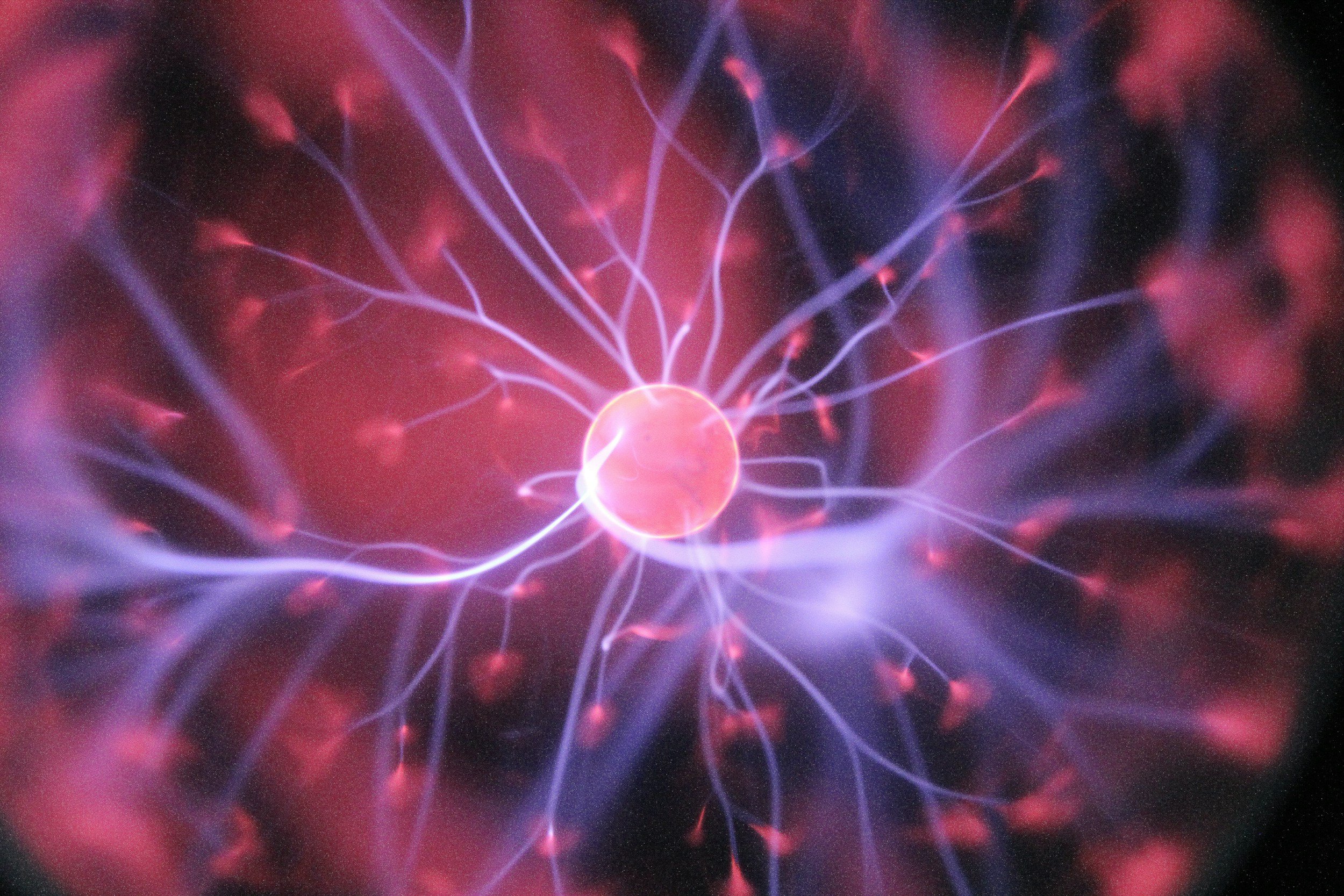
Non-Invasive Canine Electroencephalography (EEG): A Systematic Review
A recent systematic review explores the emerging field of canine cognitive neuroscience, with a focus on the non-invasive use of electroencephalography (EEG) as a tool to map cognitive processes in dogs. Over the past decade, EEG has proven to be an accessible and portable neuroimaging method that provides real-time insights into canine brain activity. This review examines 22 studies using non-invasive EEG to understand cognitive processes in dogs, analyzing their technical setups, methodologies, and findings, while also identifying key trends in the field.

Unlocking the Canine Brain: New Imaging Technology Offers Hope for Dogs with Epilepsy
Idiopathic epilepsy (IE) is the most common neurological disorder in dogs, affecting countless pets and their owners worldwide. While anti-seizure medications (ASMs) are often prescribed to manage the condition, nearly one-third of dogs with IE remain resistant to treatment, leaving veterinarians and pet parents searching for better diagnostic and therapeutic solutions. Now, cutting-edge research is exploring a revolutionary imaging technique that could transform how veterinary medicine approaches this complex disease.
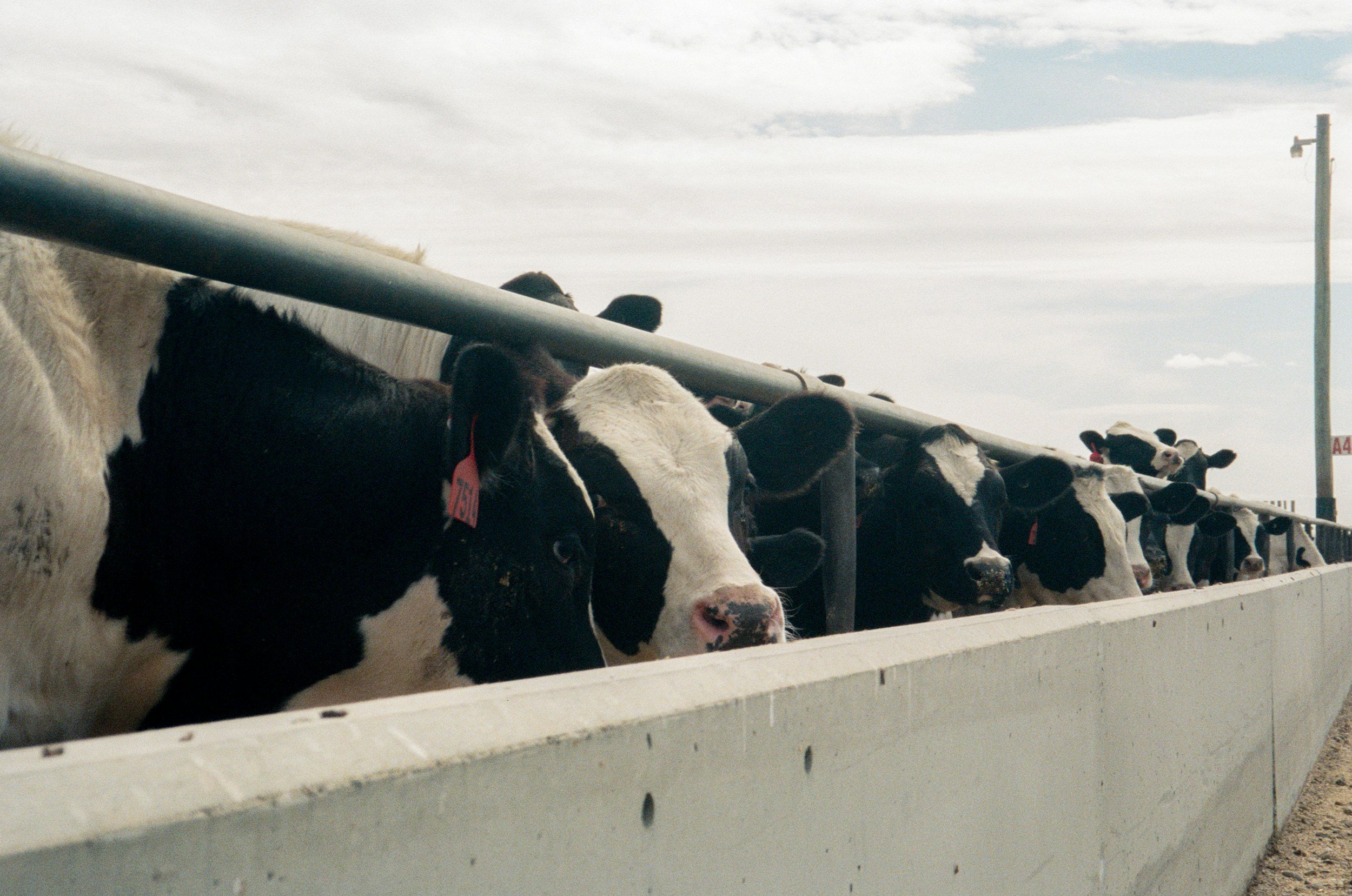
Wisconsin Department of Agriculture Provides Update on HPAI/H5N1 in Dairy Cattle in Wisconsin
In December 2024, the Wisconsin Department of Agriculture, Trade and Consumer Protection (DATCP) identified three cases of highly pathogenic avian influenza (HPAI H5N1) in poultry flocks. Nationally, the U.S. Department of Agriculture (USDA) has confirmed 36 cases of H5N1 in livestock across four states in the last 30 days.