



Unlocking the Canine Brain: New Imaging Technology Offers Hope for Dogs with Epilepsy
Idiopathic epilepsy (IE) is the most common neurological disorder in dogs, affecting countless pets and their owners worldwide. While anti-seizure medications (ASMs) are often prescribed to manage the condition, nearly one-third of dogs with IE remain resistant to treatment, leaving veterinarians and pet parents searching for better diagnostic and therapeutic solutions. Now, cutting-edge research is exploring a revolutionary imaging technique that could transform how veterinary medicine approaches this complex disease.
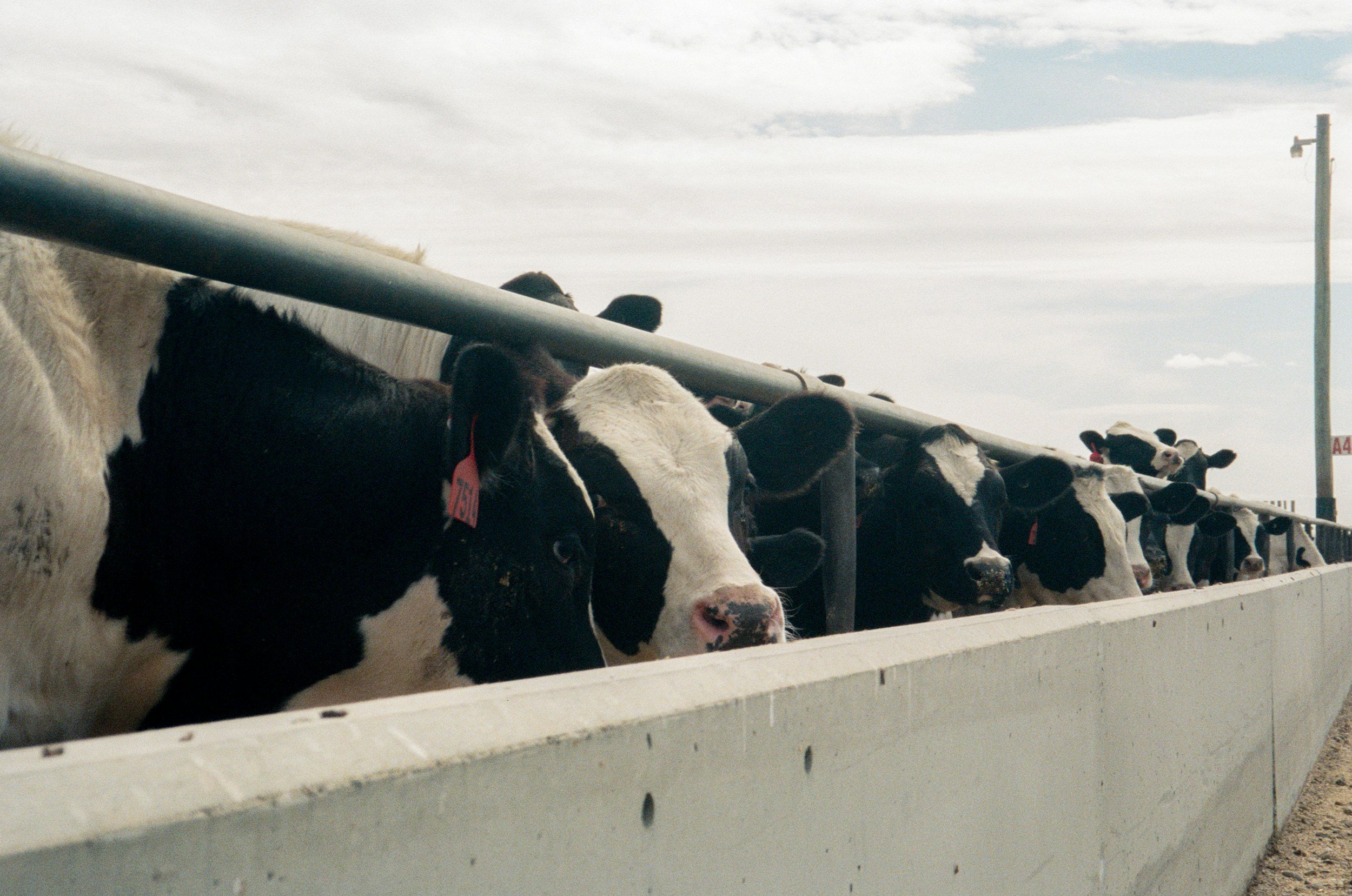
Wisconsin Department of Agriculture Provides Update on HPAI/H5N1 in Dairy Cattle in Wisconsin
In December 2024, the Wisconsin Department of Agriculture, Trade and Consumer Protection (DATCP) identified three cases of highly pathogenic avian influenza (HPAI H5N1) in poultry flocks. Nationally, the U.S. Department of Agriculture (USDA) has confirmed 36 cases of H5N1 in livestock across four states in the last 30 days.

New York State Implements Mandatory Avian Influenza Testing for Live Bird Markets
In response to recent detections of Highly Pathogenic Avian Influenza (HPAI) in live bird markets, the New York State Department of Agriculture and Markets (AGM) has announced new testing requirements for all poultry entering the state’s live bird market system. This decisive action follows the proactive temporary closure of 82 live bird markets on February 7, 2025, in an effort to curb virus transmission and protect both animal and public health. Now, with all markets cleaned, sanitized, and reopened, the state is focusing on preventing reintroduction of the virus by requiring pre-entry testing for all poultry.
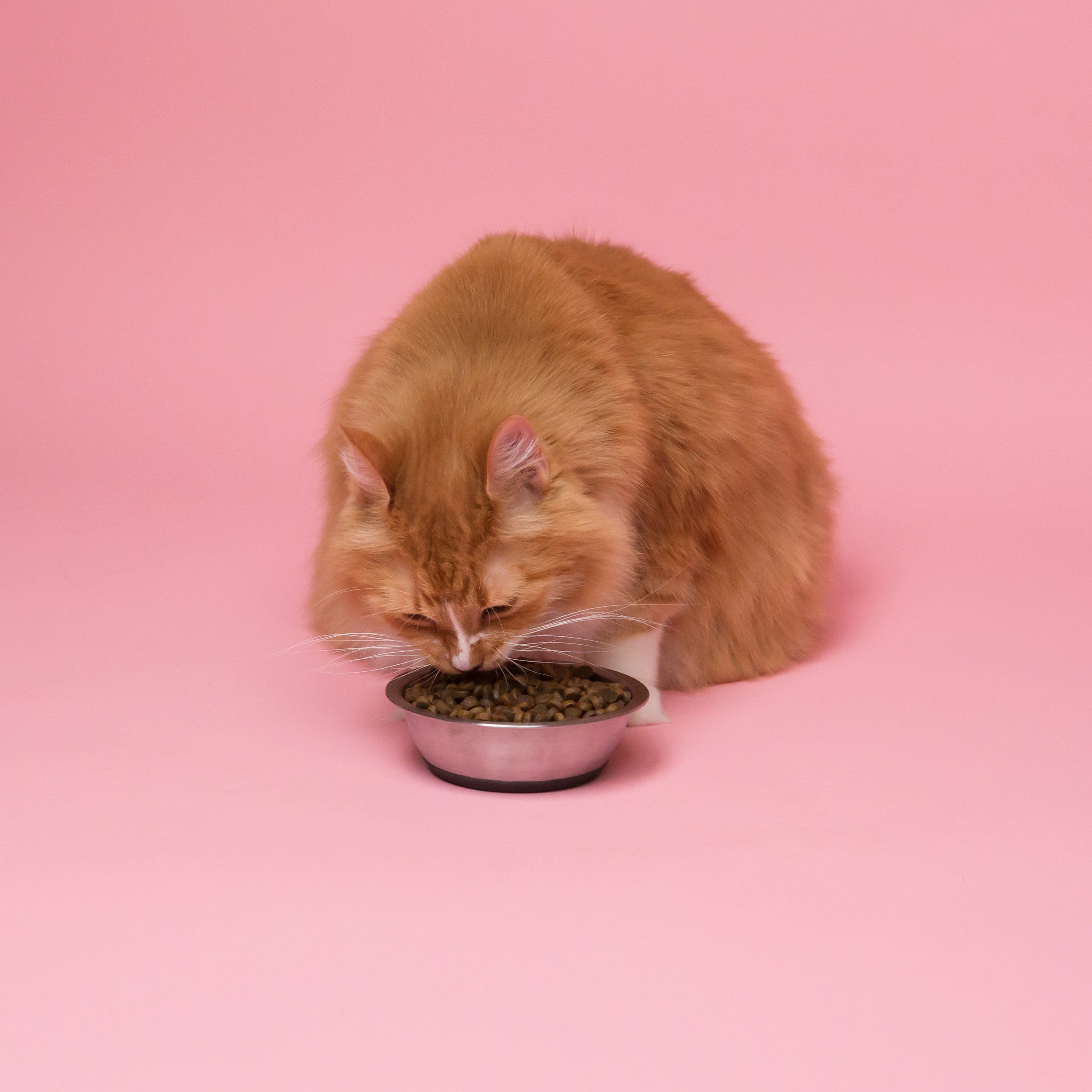
Raw Pet Food Recall Issued After Cat Fatalities Linked to Avian Influenza: What Veterinarians Need to Know
Veterinary professionals should be aware of a recent recall involving raw pet food after two indoor cats in Oregon were diagnosed with Highly Pathogenic Avian Influenza (HPAI) and subsequently euthanized. The affected cats, from separate households in Multnomah County, had consumed the same brand of raw pet food prior to developing severe illness.

Emergency Declarations Issued in Ohio Response to Avian Influenza Outbreak: Implications for Veterinary Professionals
As the Highly Pathogenic Avian Influenza (HPAI) outbreak continues to impact Ohio’s agricultural sector, Mercer and Darke Counties have officially declared a state of emergency to address the escalating crisis. These emergency declarations underscore the need for increased veterinary support and biosecurity measures to combat the spread of the virus.

Legislation Reintroduced to Address Illicit Xylazine While Maintaining Veterinary Access
The Combating Illicit Xylazine Act aims to classify xylazine as a Schedule III controlled substance, granting the Drug Enforcement Administration (DEA) greater authority to regulate its distribution and curb its illicit use. The bill is designed to maintain veterinarians’ legal access while providing oversight of the legitimate supply chain. Both the DEA and the Food and Drug Administration (FDA) have expressed support for the legislation.