


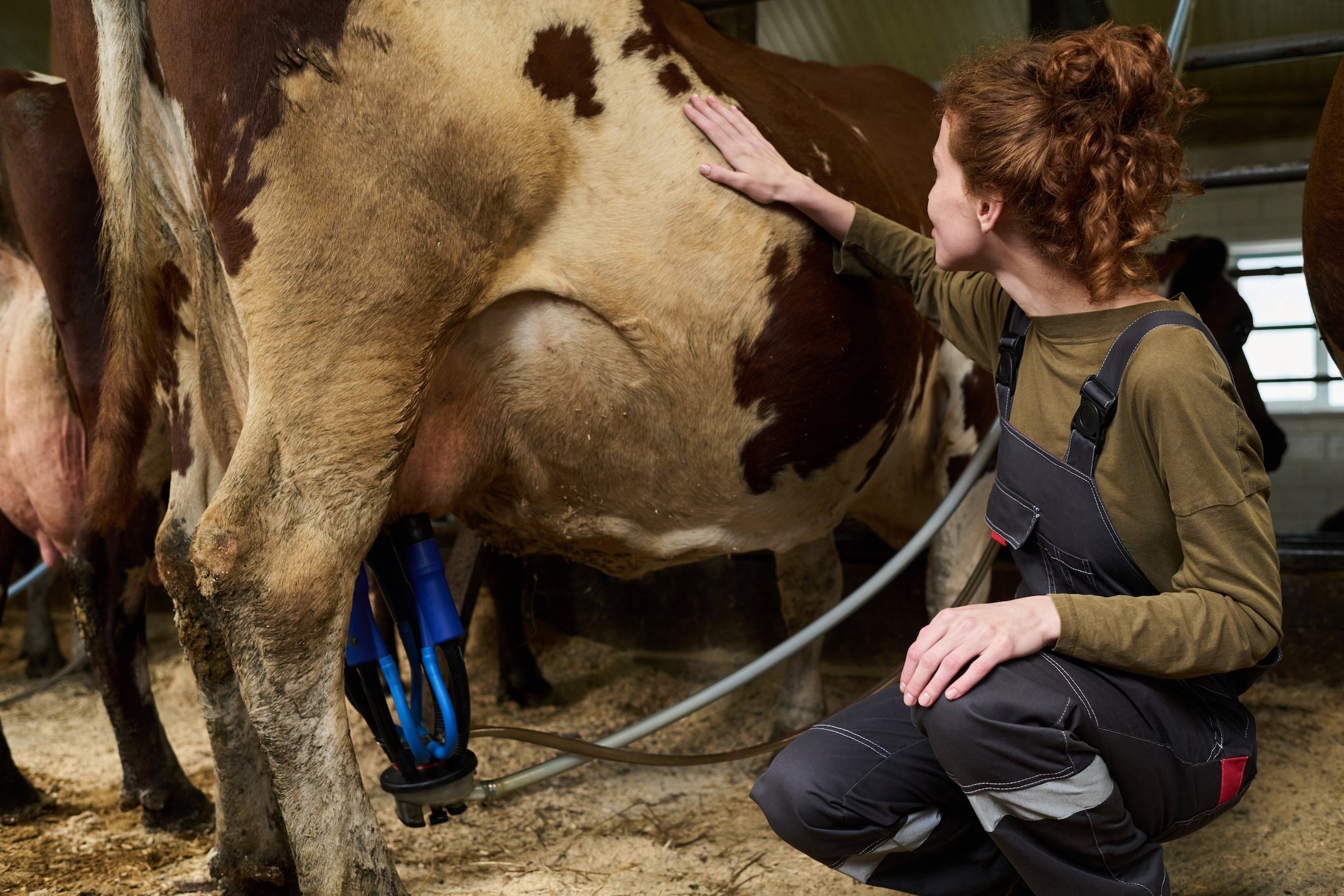
Silent Spread—Three Bovine Veterinarians Unknowingly Infected with H5N1
In the shadow of a growing H5N1 avian influenza outbreak among U.S. dairy cattle, a startling discovery has emerged: three bovine veterinarians were unknowingly infected with the virus. This revelation, uncovered through a recent serosurvey, underscores the silent spread of the disease and highlights the urgent need for systematic surveillance to protect those on the frontlines of animal care.

Bird Flu Outbreak Linked to Raw Pet Food: A Warning for Veterinarians
A recent outbreak of highly pathogenic avian influenza (HPAI), commonly known as bird flu, has raised alarm among veterinarians and pet owners in Oregon and Washington. The outbreak, linked to a raw pet food brand, has resulted in the deaths of several cats and underscores the risks associated with feeding raw diets to pets.

Revolutionary Machine Learning Tool Can Predict Epilepsy in Dogs with Stunning Accuracy!
Clinical reasoning in veterinary medicine is often based on clinicians' personal experience in combination with information derived from publications describing cohorts of patients. Studies on the use of scientific methods for patient individual decision making are largely lacking. This applies to the prediction of the individual underlying pathology in seizuring dogs as well. The aim of this study was to apply machine learning to the prediction of the risk of structural epilepsy in dogs with seizures.

Can Phenobarbital Cause Blood Clotting Issues in Dogs with Epilepsy? New Study Reveals Surprising Results
The study looked at three groups: dogs treated with PB for less than 6 months, dogs treated for more than 6 months, and healthy dogs as a control. The results showed that no dogs had serious clotting problems, but nearly half (47%) of the dogs with epilepsy had increased fibrinolysis (a process where the body breaks down blood clots). This suggests some dogs might have issues with clot breakdown, possibly due to liver damage caused by PB, but more research is needed to confirm this.

New Research Reveals Key Genetic Factors Behind Epilepsy in Belgian Shepherds!
Idiopathic epilepsy (IE) affects Belgian shepherd dogs more than other breeds, but scientists haven't been able to pinpoint the exact genetic causes—until now. This new study looked at gene activity in dogs with IE to find possible genetic factors linked to the condition.

Killing H5N1 in waste milk — an alternative to pasteurization
Pasteurization is the only widely recognized method of killing H5N1, the virus that causes bird flu, in milk. However, pasteurization can be expensive and fewer than 50% of large dairy farms pasteurize waste milk.