



Arterial Blood Gas and Electrolyte Analysis Predicts Survival in Horses with Colic
A recent study evaluated whether arterial blood samples taken upon admission could predict survival to hospital discharge for horses presenting with colic. The study, which included 358 horses undergoing medical or surgical management for colic, analyzed several blood parameters, including pH, oxygen levels (PaO2), carbon dioxide (PaCO2), electrolytes, and anion gaps, across different types of colic lesions.

Study Finds Low Utility of Routine Preoperative Thoracic Radiographs in Dogs Without Thoracic Disease Symptoms
A recent study evaluated the necessity of routine preoperative thoracic radiographs in dogs scheduled for elective tibial plateau leveling osteotomy (TPLO) when there were no clinical signs or history suggesting thoracic or cardiopulmonary disease. The study, published in AJVR, aimed to assess the usefulness of this test in such patients.

Drug-Resistant Hookworms Pose Growing Threat to Pets and People
Canine hookworms are becoming increasingly resistant to drugs across Australia, according to new research. Scientists at The University of Queensland and The University of Sydney have identified widespread resistance to benzimidazole-based dewormers which are commonly used to treat gastrointestinal parasites in dogs.

Enhancing Cow Health and Milk Quality through Immune Function Insights
Researchers have identified various distinctive immune cells in cow’s milk, creating potential avenues for enhancing animal health and milk production – as detailed in a study in Animal Nutriomics, published by Cambridge University Press on behalf of Zhejiang University. Using single-cell RNA sequencing to study fresh milk samples, the researchers were able to explore the molecular identities of cow milk in greater detail, particularly immune cells, where they discovered that T cells and granulocytes were present as the main cell types in healthy Holstein cows.

Embedded Counseling Services in Veterinary Education Proven Effective in Reducing Psychological Distress
A recent study from the University of Missouri highlights the significant benefits of embedded counseling services in veterinary medical programs, demonstrating that such programs effectively reduce psychological distress among veterinary trainees. This groundbreaking research emphasizes the importance of mental health support in high-stress professional education environments.
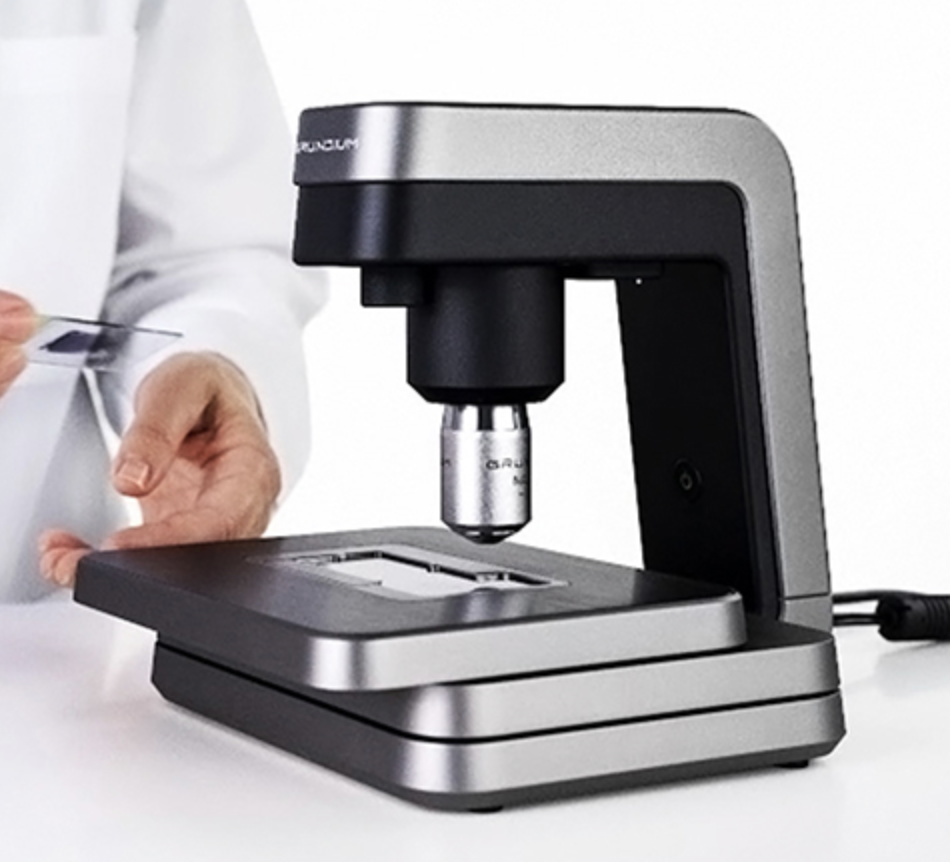
Vetscan Imagyst Unveils New AI Masses Technology for Faster Cancer Detection in Veterinary Clinics
Zoetis Inc., the world’s leading animal health company, has today announced a new Vetscan Imagyst capability, AI Masses, which uses best-in-class AI to analyze potentially neoplastic cells in lymph node and subcutaneous lesions. This addition offers veterinary health teams the ability to make more informed treatment decisions, improve clinic efficiency, elevate pet owners’ experience and expand access to care for pets.