



Chornobyl dogs’ genetic differences not due to mutation
Radiation-induced mutation is unlikely to have induced genetic differences between dog populations in Chornobyl City and the nearby Chornobyl Nuclear Power Plant (NPP), according to a new study in PLOS ONE from North Carolina State University and Columbia University Mailman School of Public Health. The study has implications for understanding the effects of environmental contamination on populations over time.

The Hidden Truth About Dog Ownership: What Every Veterinarian Needs to Know
Are dogs truly the key to happiness, or does pet ownership come with hidden burdens? A new study from Eötvös Loránd University (ELTE) dives deep into the real-life experiences of dog owners, revealing both the profound emotional rewards and the significant challenges of caring for a pet. From bonding and companionship to financial and emotional stress, this research highlights why educating pet owners about the realities of dog ownership is crucial for veterinarians.

The Miraculous Benefits of Fish Oil: How Harvard Research Links Omega-3s to Sharper Memory and Brain Health
Fish oil is commonly known for its heart benefits, but it also offers significant advantages for your brain. Researchers at Harvard have discovered that omega-3 fatty acids, particularly DHA, play an essential role in memory, cognitive function, and even in the prevention of neurodegenerative diseases like Alzheimer's. Explore the science behind fish oil’s impact on brain health and how incorporating it into your diet could help protect your memory for the long term.

Want to Live a Longer, Healthier Life? It’s Time to Start Strength Training
Strength training isn’t just for bodybuilders—it’s one of the most effective ways to boost longevity and overall health. Research shows that lifting weights can increase lifespan, prevent chronic diseases, and keep you strong as you age. Learn how to get started and why strength training is the ultimate anti-aging workout.

Study of deadly dog cancer reveals new clues for improved treatment
Researchers at the University of Florida College of Veterinary Medicine and the UF Health Cancer Center have identified a crucial link between a gene mutation and immune system signaling in canine hemangiosarcoma, a discovery that could lead to better treatments for both dogs and humans with similar cancers.
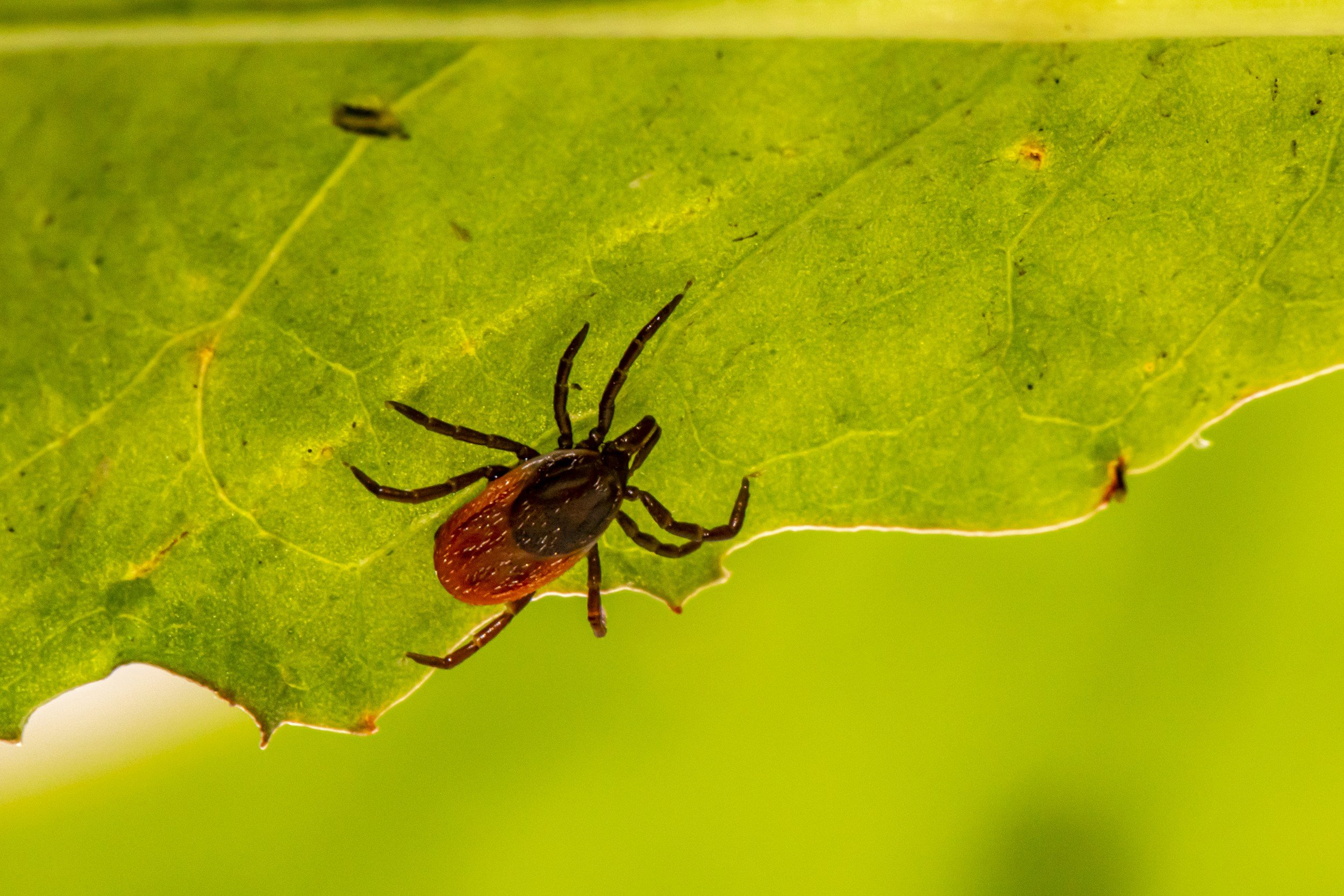
Half of All Ticks in the Northeast Carry Lyme Disease
Across most of the Northeast, getting bitten by a blacklegged tick— also called a deer tick — is a risk during spring, summer, and fall. A new Dartmouth study, published in Parasites and Vectors, finds that 50% of adult blacklegged ticks carry the bacteria that causes Lyme disease while 20% to 25% of the younger (nymph) blacklegged ticks carry the bacteria.