



Study of deadly dog cancer reveals new clues for improved treatment
Researchers at the University of Florida College of Veterinary Medicine and the UF Health Cancer Center have identified a crucial link between a gene mutation and immune system signaling in canine hemangiosarcoma, a discovery that could lead to better treatments for both dogs and humans with similar cancers.
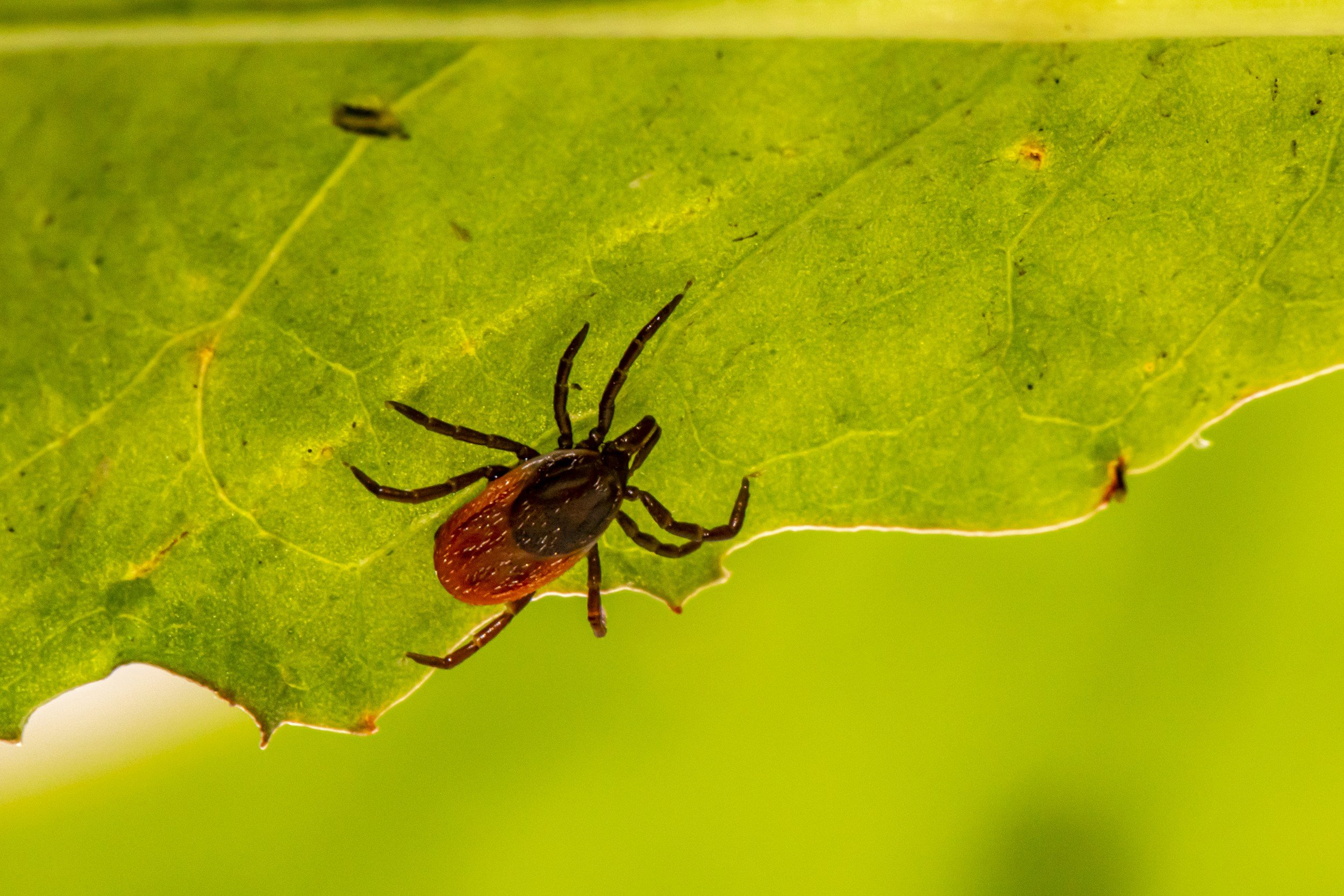
Half of All Ticks in the Northeast Carry Lyme Disease
Across most of the Northeast, getting bitten by a blacklegged tick— also called a deer tick — is a risk during spring, summer, and fall. A new Dartmouth study, published in Parasites and Vectors, finds that 50% of adult blacklegged ticks carry the bacteria that causes Lyme disease while 20% to 25% of the younger (nymph) blacklegged ticks carry the bacteria.

Feeling Overwhelmed? 5 Powerful Ways to Manage Politically Induced Stress
Political stress is on the rise, affecting mental health and daily life. Whether it’s the news cycle, social media debates, or election anxiety, it’s easy to feel overwhelmed. Learn five expert-backed strategies to reduce stress, set boundaries, and stay informed without sacrificing your well-being.

Guidance on animal-borne infections in the Canadian Arctic
A new review on zoonotic infections — diseases transmitted by animals — in the Canadian Arctic provides timely guidance to clinicians as the region experiences heightened global interest as well as climate change, which threatens the region and increases risk of disease transmission. The review, published in CMAJ (Canadian Medical Association Journal) https://www.cmaj.ca/lookup/doi/10.1503/cmaj.240541, provides guidance on how to identify and manage seven zoonotic infections in people.

Walking vs. Running: Which Is Better for Your Health? The Answer May Surprise You!
Is walking or running the better workout? It depends on your health goals. Walking is gentler on the joints, lowers stress, and supports long-term fitness, while running burns more calories and strengthens the heart faster. Learn the pros and cons of both to decide which is best for you!
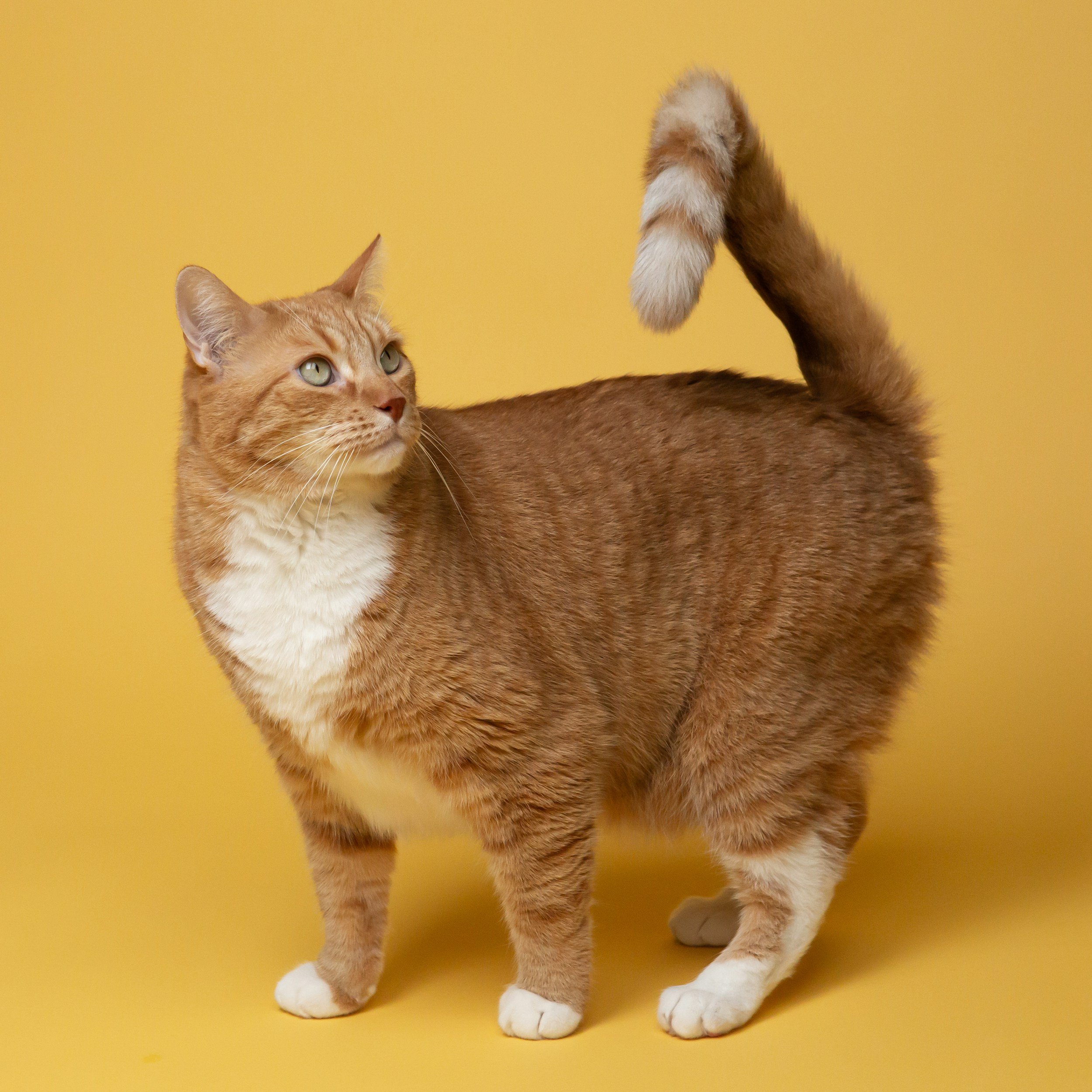
Renal transporter genes and uremic toxins in aging cats with chronic kidney disease
This study, led by researchers Qinghong Li, James A. Holzwarth, Bethany Smith, Sonia Karaz, Mathieu Membrez, Vincenzo Sorrentino, Stacie Summers, Julie Spears, and Eugenia Migliavacca from Nestlé Purina Research and Oregon State University, explores how aging affects kidney function in cats with chronic kidney disease (CKD). The researchers found that older cats have lower levels of important kidney transporter genes, which usually help remove harmful waste products from the blood. These findings could help veterinarians better understand CKD in aging cats and offer insights that may be relevant to human kidney health.