


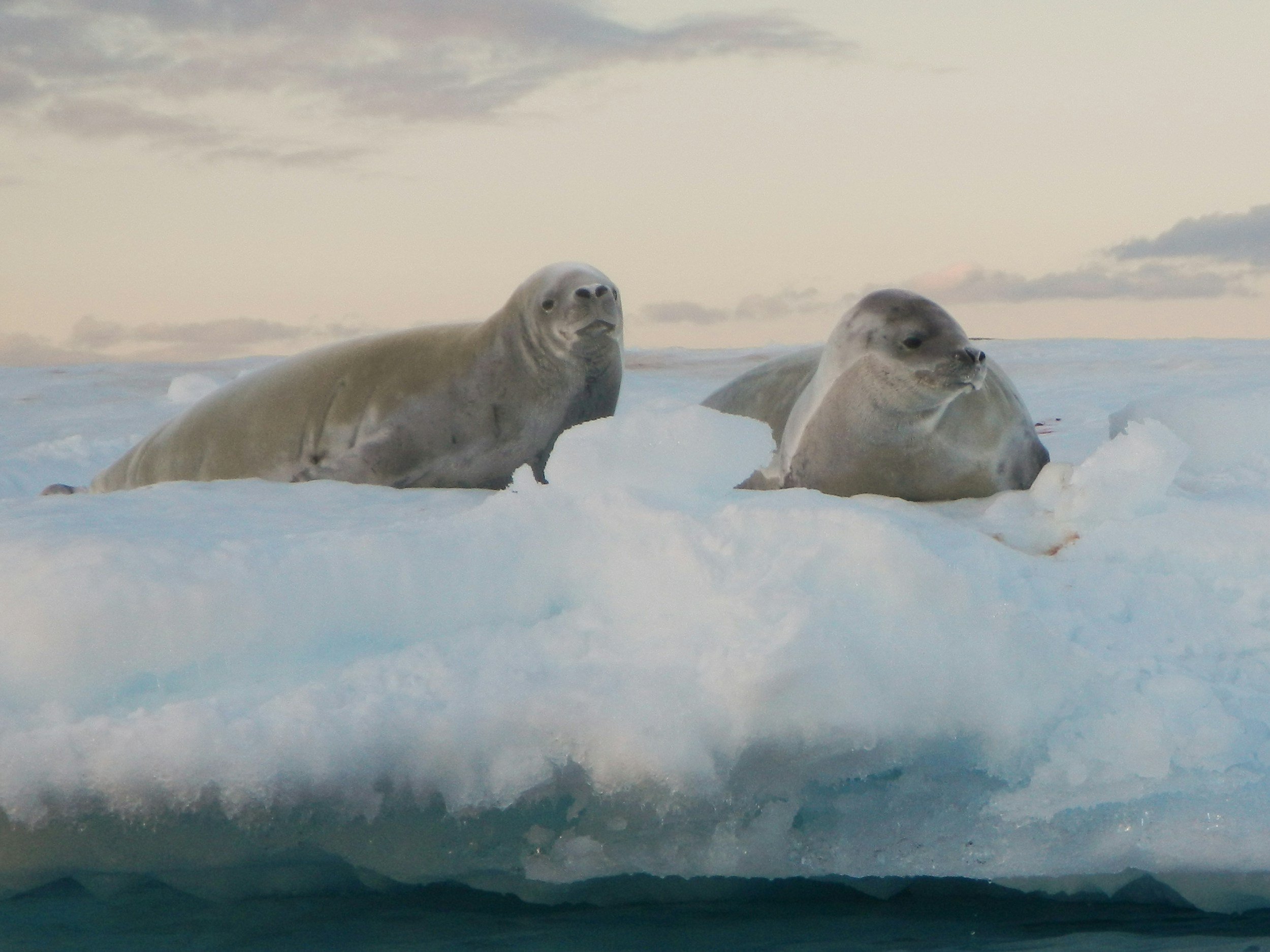
Guidance on animal-borne infections in the Canadian Arctic
A new review on zoonotic infections — diseases transmitted by animals — in the Canadian Arctic provides timely guidance to clinicians as the region experiences heightened global interest as well as climate change, which threatens the region and increases risk of disease transmission. The review, published in CMAJ (Canadian Medical Association Journal) https://www.cmaj.ca/lookup/doi/10.1503/cmaj.240541, provides guidance on how to identify and manage seven zoonotic infections in people.

Walking vs. Running: Which Is Better for Your Health? The Answer May Surprise You!
Is walking or running the better workout? It depends on your health goals. Walking is gentler on the joints, lowers stress, and supports long-term fitness, while running burns more calories and strengthens the heart faster. Learn the pros and cons of both to decide which is best for you!
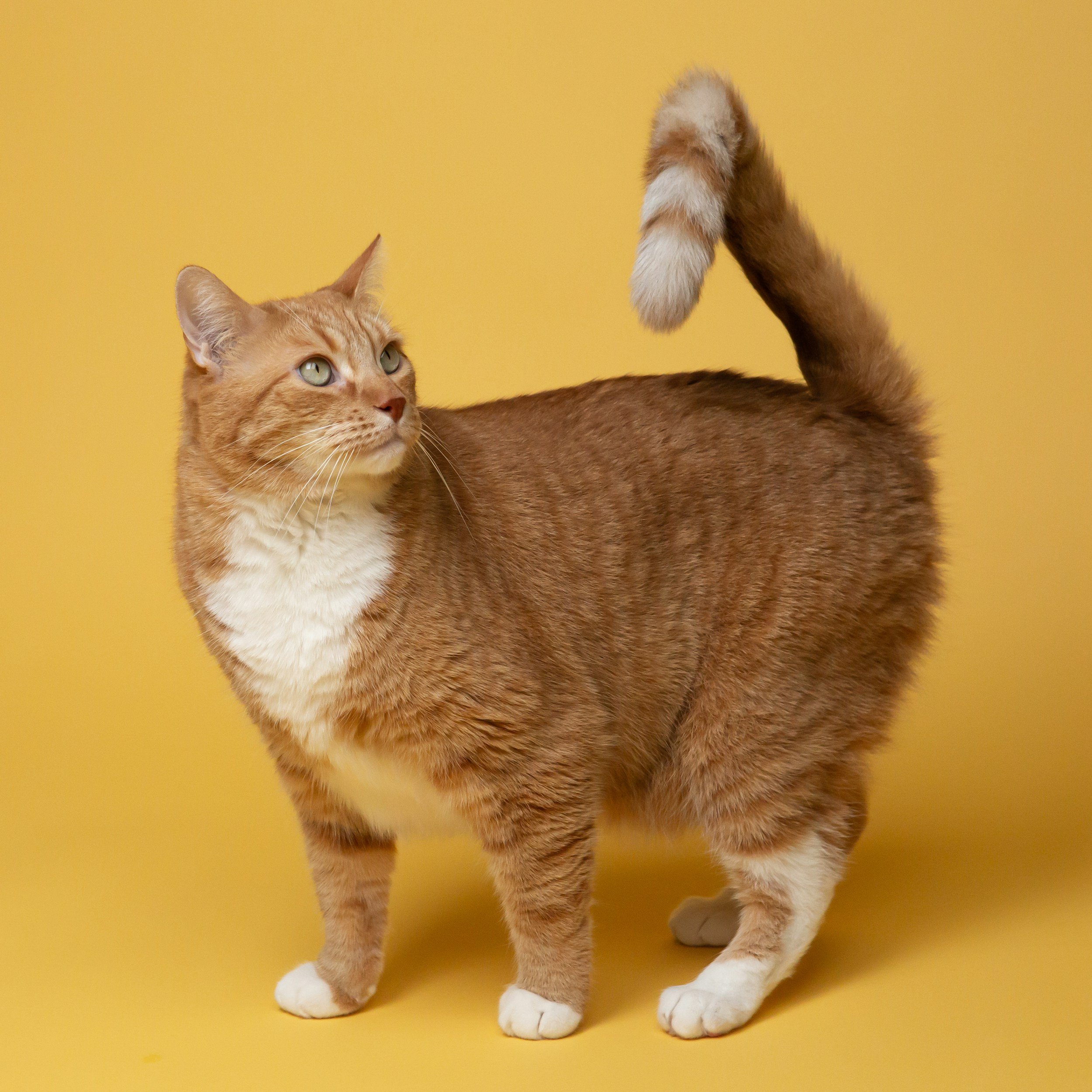
Renal transporter genes and uremic toxins in aging cats with chronic kidney disease
This study, led by researchers Qinghong Li, James A. Holzwarth, Bethany Smith, Sonia Karaz, Mathieu Membrez, Vincenzo Sorrentino, Stacie Summers, Julie Spears, and Eugenia Migliavacca from Nestlé Purina Research and Oregon State University, explores how aging affects kidney function in cats with chronic kidney disease (CKD). The researchers found that older cats have lower levels of important kidney transporter genes, which usually help remove harmful waste products from the blood. These findings could help veterinarians better understand CKD in aging cats and offer insights that may be relevant to human kidney health.

The Problem with the Pursuit of Happiness
Happiness is often framed as the ultimate goal of life. From self-help books to social media influencers, the message is clear: be happy, and everything else will fall into place. But what if the relentless pursuit of happiness is actually making us less happy? What if, instead of fulfillment, our chase leads to frustration, anxiety, and discontent?

Researchers finds relative of deadly Hendra virus in the US
Researchers at the University of Queensland have identified the first henipavirus in North America.
Dr Rhys Parry from the School of Chemistry and Molecular Biosciences said Camp Hill virus was confirmed in shrews in the US state of Alabama.

Uncertainty Surrounding Federal Veterinarians and Their Role in Protecting Public Health
As concerns grow about the future of the federal workforce, the role of veterinarians employed by the U.S. government has come into focus. More than 3,200 federal veterinarians currently work across various agencies, such as the U.S. Department of Agriculture (USDA), to safeguard the nation’s food supply, monitor zoonotic diseases, and prevent agricultural losses. These professionals play a crucial role in ensuring food safety, monitoring for diseases such as African swine fever (ASF) and avian influenza, and helping manage potential outbreaks that could have significant public health and economic consequences.