


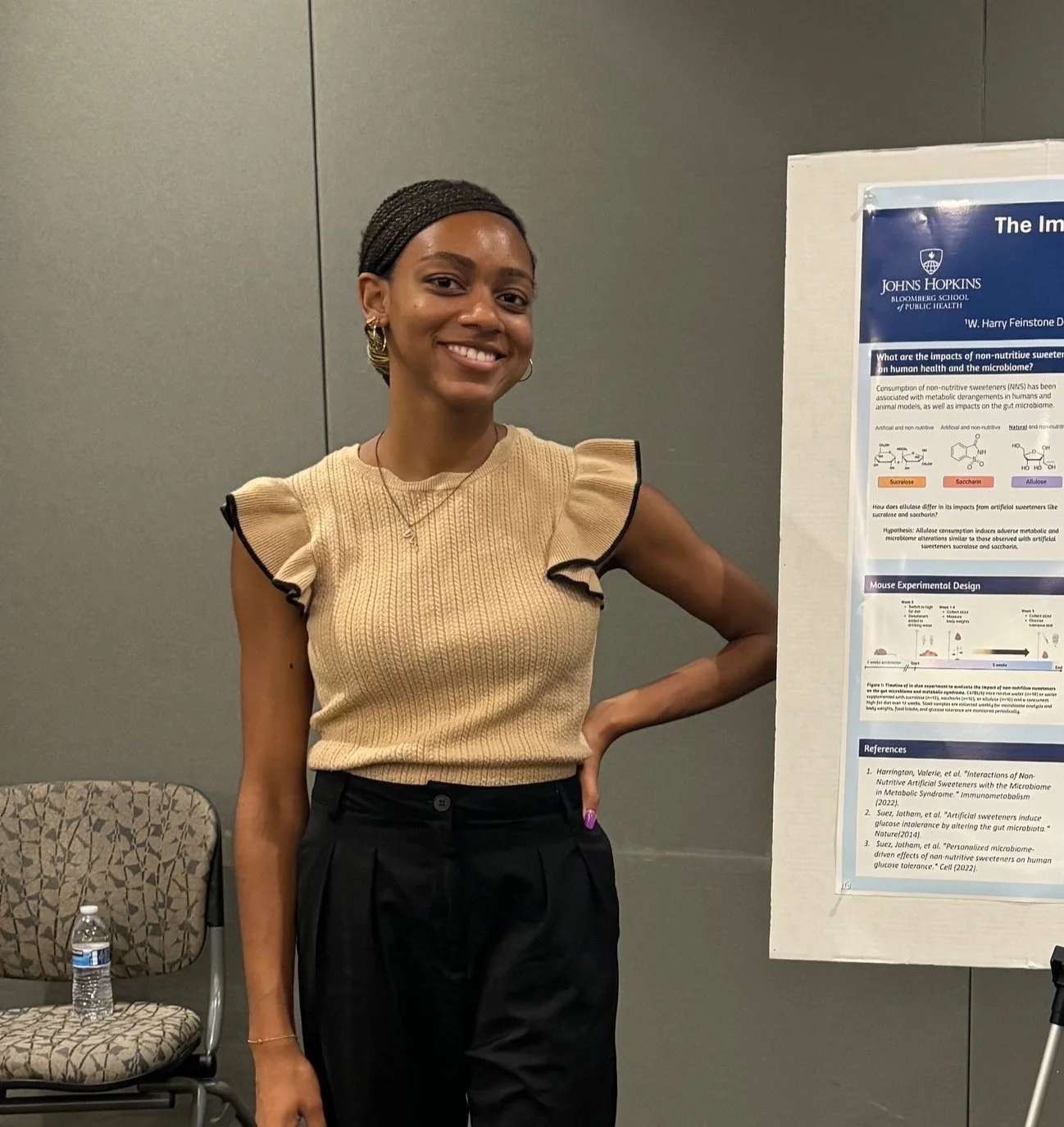
From Doubt to Confidence: How Courtney Dunning Found Her True Calling in Vet Med
Courtney Dunning, a second-year veterinary student at Auburn University, shares her inspiring journey into veterinary medicine, her passion for animal care, and the valuable life lessons she's learned along the way. From embracing confidence to seeking purpose, discover how Courtney's unique path is shaping her future as a vet and mentor.
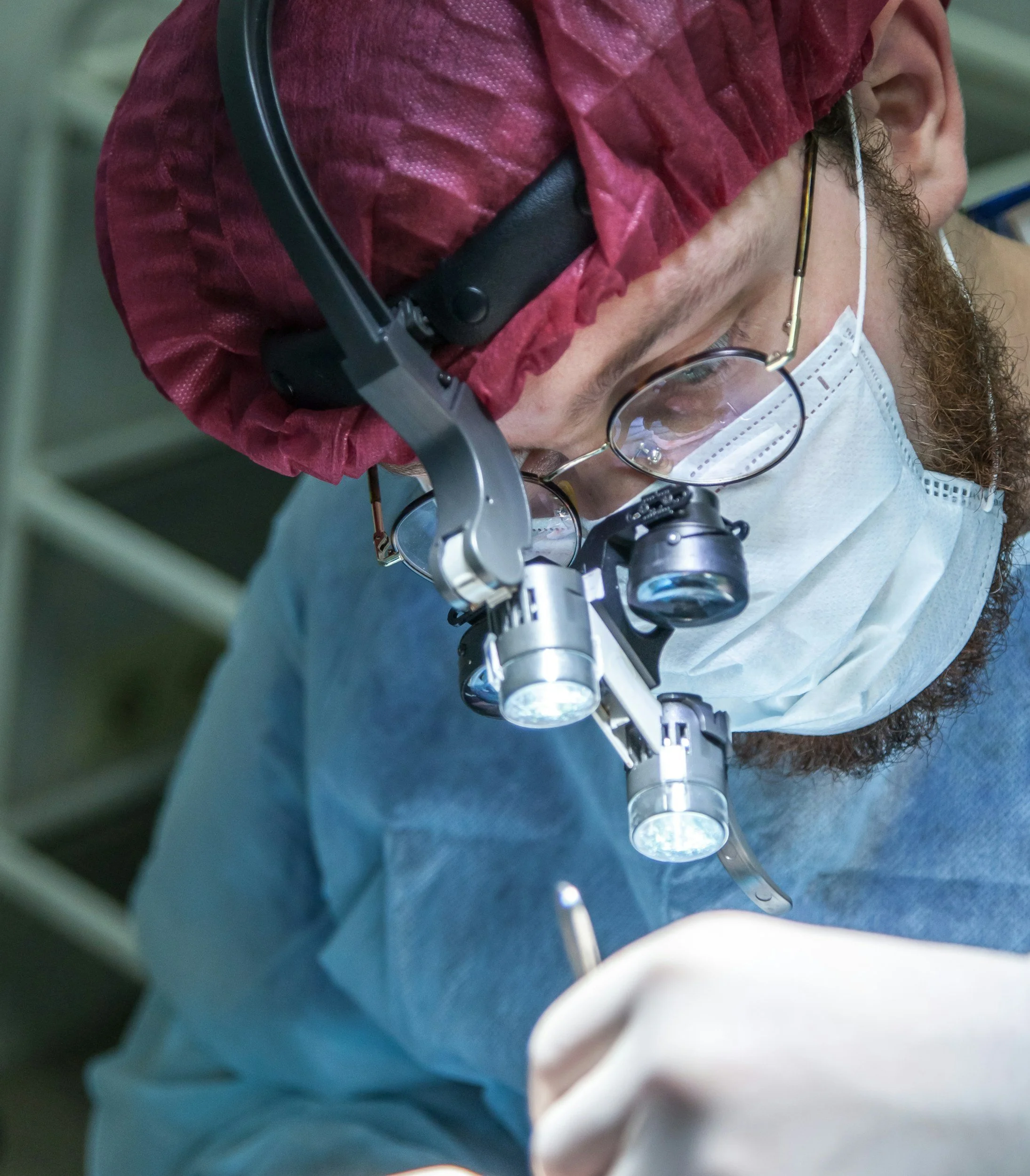
Veterinary Survey Reveals Gaps in Anaesthesia and Pain Management for Spay Surgery—What You Need to Know
A new survey of UK veterinarians reveals significant gaps in anaesthesia and analgesia practices for spay surgery in dogs and cats. Despite improvements in pain management, challenges remain, particularly in assessing feline pain and implementing locoregional anaesthesia. Discover how the survey findings can guide better pain management in veterinary practices.
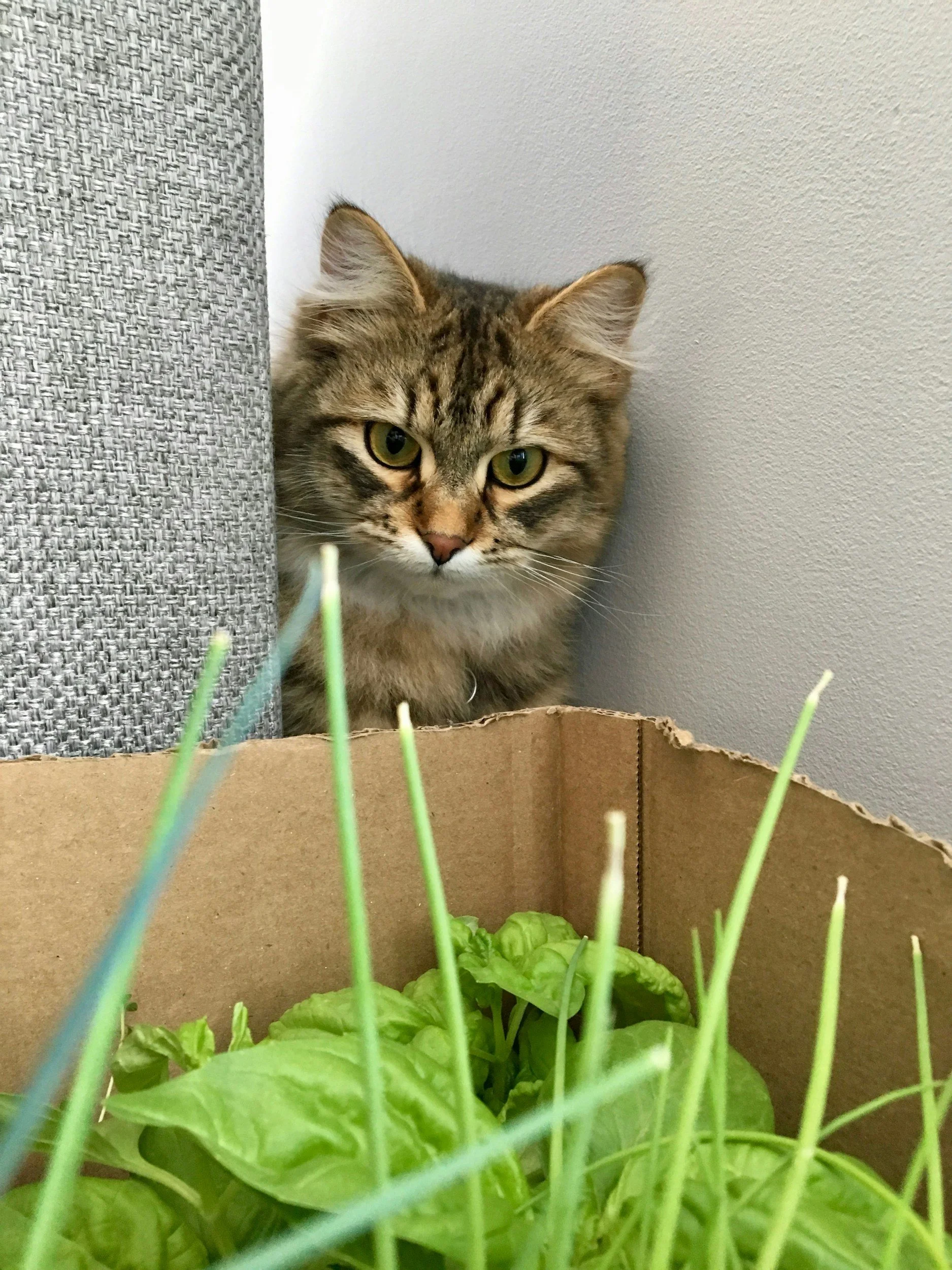
How Feline Urethral Obstruction Alters the Urinary Microbiota—A Potential Game-Changer for Treatment
A recent study shows that feline urethral obstruction (UO) leads to significant changes in the urinary microbiota compared to healthy cats. This study also reveals that oral, preputial, and rectal microbiotas are altered in UO cats, suggesting the potential for novel therapeutic approaches. Discover how 16S rRNA gene sequencing is uncovering insights into feline urinary health.

Shocking Case of Fatal Toxoplasmosis in a Cat—What You Need to Know About This Rare Disease
A recent case study from Spain reports the first known fatal disseminated toxoplasmosis in a cat, confirmed by PCR. This rare and serious condition presents with acute symptoms and rapidly deteriorates, highlighting the importance of early diagnosis and intervention. Learn how liver cytology can aid in diagnosing this life-threatening infection.

Revolutionary Study Reveals Key Differences in Dog Gut Microbiota—What You Need to Know for Your Practice
A recent study uncovers distinct variations in the mucosal microbiota across different gastrointestinal regions in dogs. By analyzing the microbiota in healthy dogs, this research provides valuable insights for veterinarians to better understand gastrointestinal health and improve clinical care. Find out how the stomach, duodenum, ileum, and mid-colon differ in microbiota composition.
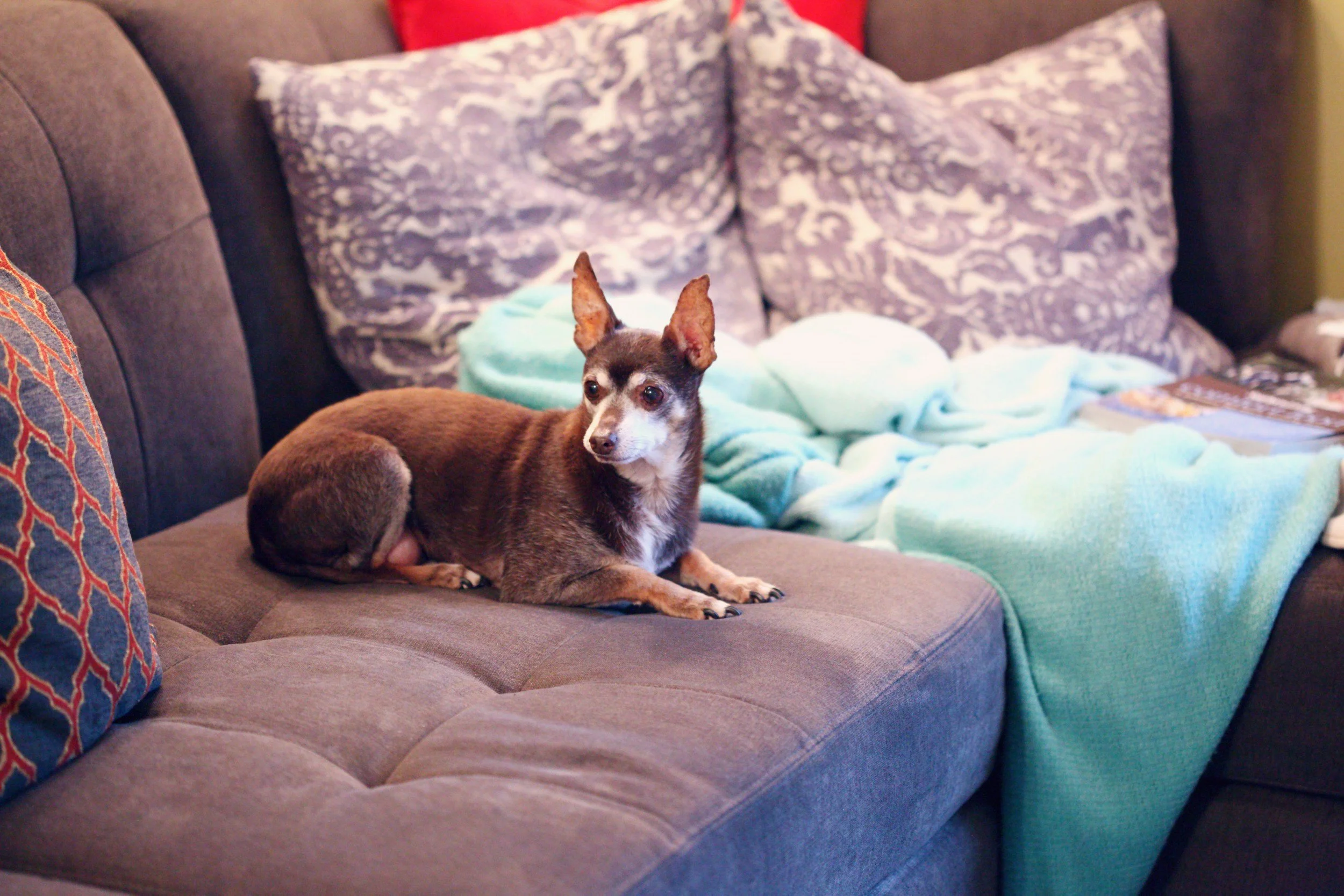
New Study Reveals the Surprising Comorbidity Networks in Dogs—What They Mean for Canine Health and Human Medicine
A groundbreaking study from the Dog Aging Project has uncovered comorbidity networks in companion dogs, offering insights into shared health conditions between dogs and humans. Learn how age, breed, and other factors influence the relationships between common dog diseases and how this research could improve healthcare for both dogs and humans.