



How Feline Urethral Obstruction Alters the Urinary Microbiota—A Potential Game-Changer for Treatment
A recent study shows that feline urethral obstruction (UO) leads to significant changes in the urinary microbiota compared to healthy cats. This study also reveals that oral, preputial, and rectal microbiotas are altered in UO cats, suggesting the potential for novel therapeutic approaches. Discover how 16S rRNA gene sequencing is uncovering insights into feline urinary health.

Shocking Case of Fatal Toxoplasmosis in a Cat—What You Need to Know About This Rare Disease
A recent case study from Spain reports the first known fatal disseminated toxoplasmosis in a cat, confirmed by PCR. This rare and serious condition presents with acute symptoms and rapidly deteriorates, highlighting the importance of early diagnosis and intervention. Learn how liver cytology can aid in diagnosing this life-threatening infection.

Revolutionary Study Reveals Key Differences in Dog Gut Microbiota—What You Need to Know for Your Practice
A recent study uncovers distinct variations in the mucosal microbiota across different gastrointestinal regions in dogs. By analyzing the microbiota in healthy dogs, this research provides valuable insights for veterinarians to better understand gastrointestinal health and improve clinical care. Find out how the stomach, duodenum, ileum, and mid-colon differ in microbiota composition.
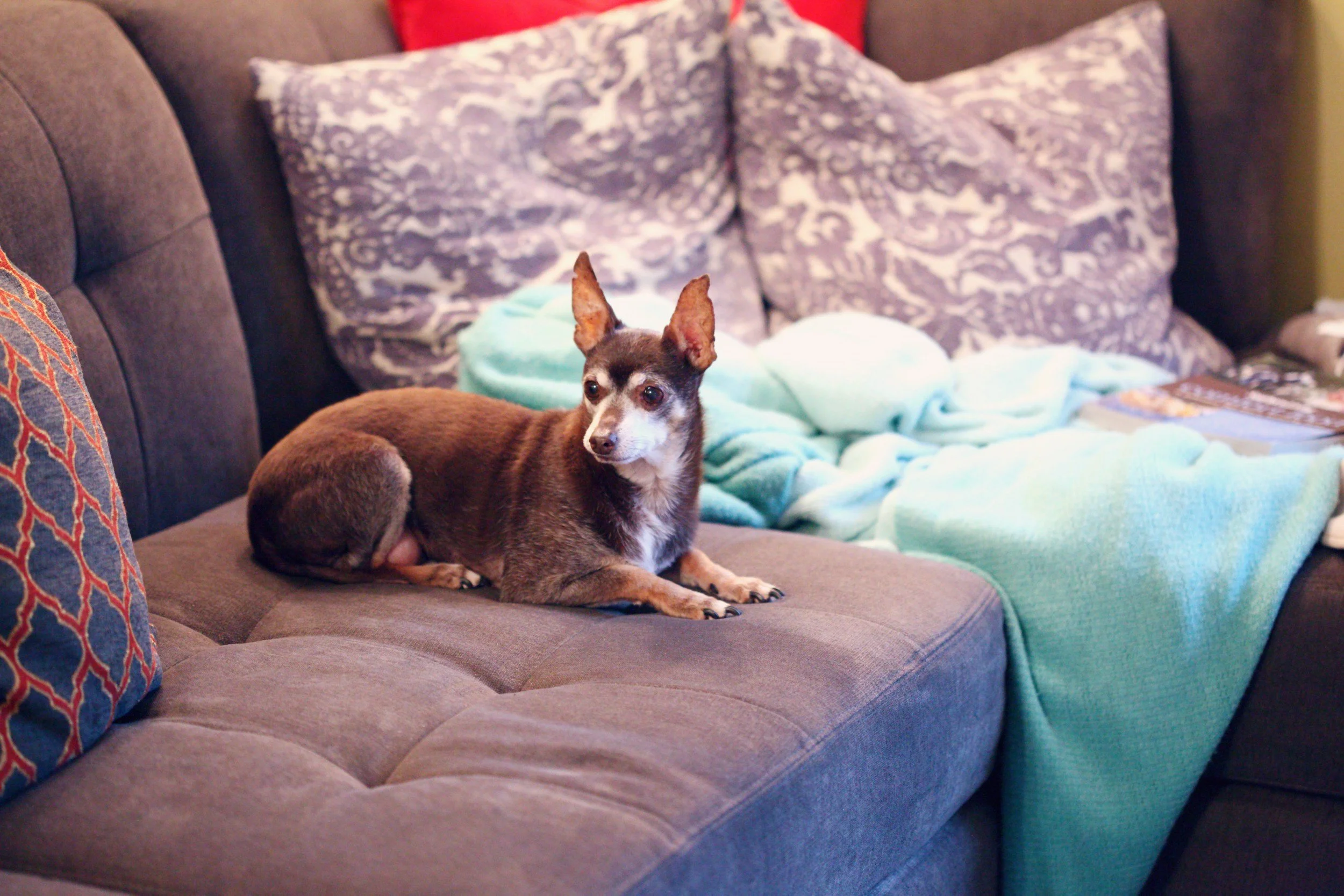
New Study Reveals the Surprising Comorbidity Networks in Dogs—What They Mean for Canine Health and Human Medicine
A groundbreaking study from the Dog Aging Project has uncovered comorbidity networks in companion dogs, offering insights into shared health conditions between dogs and humans. Learn how age, breed, and other factors influence the relationships between common dog diseases and how this research could improve healthcare for both dogs and humans.

New CT Imaging Study Reveals Key Insights into Patent Ductus Arteriosus in Dogs—What You Need to Know
A recent study analyzed the morphology of patent ductus arteriosus (PDA) in dogs using computed tomography (CT) data. The findings offer valuable insights into the dimensions and configurations of PDA, which could aid in pre-procedural planning and the development of novel occlusion devices for treatment. Learn how CT imaging is advancing our understanding of PDA in veterinary medicine.

New Predictive Model for Hypoadrenocorticism: How Low Cortisol and Key Symptoms Can Guide Your Diagnosis”
A recent study introduces a predictive model to help veterinarians identify hypoadrenocorticism (HA) in dogs with resting hypocortisolemia. By combining clinical signs, hematological, and biochemical data, the model improves diagnostic accuracy for HA in daily practice. Learn how lethargy, anorexia, and specific lab results can raise suspicion of this condition.