


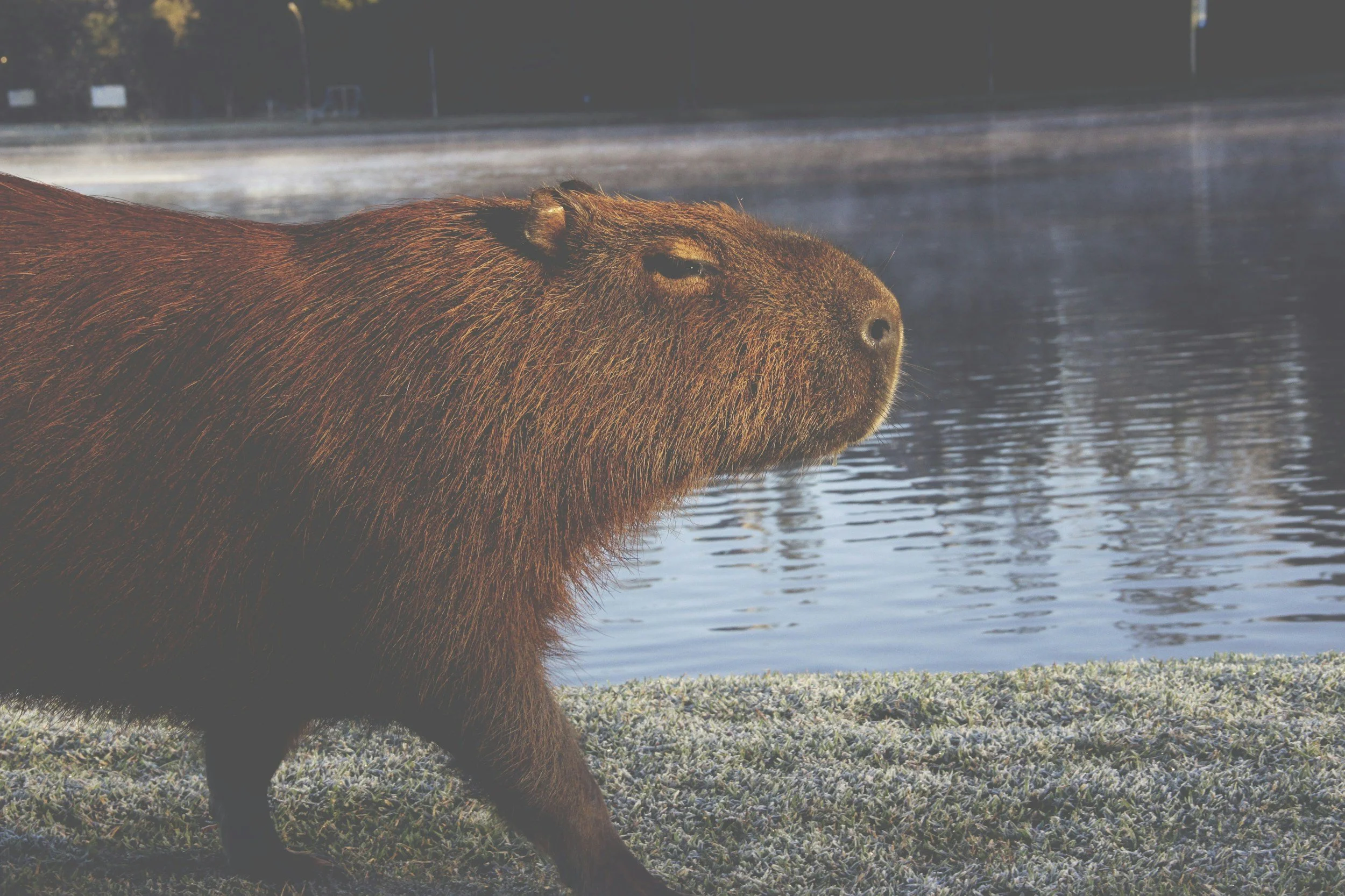
Capybaras found dead from rabies on island in Brazil warn of need to monitor virus
Three capybaras (Hydrochoerus hydrochaeris) died from rabies on Anchieta Island in the municipality of Ubatuba, São Paulo state, Brazil, between December 2019 and January 2020. One was found dead, and two exhibited hindlimb paralysis before dying. Analysis of their brains conducted at Instituto Pasteur in São Paulo city showed the cause of death to be rabies encephalitis.
An article reporting the findings of the study is published in the journal Veterinary Research Communications. This is the third report of rabies in capybaras in the world, and the second in Brazil.

Sugar solution fights infection in dairy cows just as well as antibiotics
A concentrated sugar solution could be just as effective as antibiotics at treating a common infection in dairy cows, according to a new study led by researchers at Penn State. The results were recently published in the journal Frontiers in Veterinary Science.
The discovery has the potential to reduce reliance on antibiotics and ultimately help combat the growing threat of antimicrobial resistance in both humans and animals, said Adrian Barragan, associate research professor and extension veterinarian at Penn State and co-lead author on the paper.

Cat Dies After Eating Contaminated Pet Food: The Deadly Bird Flu Risk You Never Knew About!
A tragic incident in Oregon linked a cat’s death to raw frozen pet food contaminated with H5N1 bird flu. Northwest Naturals recalls Feline Turkey Recipe nationwide after a confirmed link between the virus and the pet food. Learn about the risks, recall details, and what pet owners need to know.

Veterinarians Are Being Cyberbullied by Their Own Peers—It’s Time for This Toxic Culture to End
Cyberbullying in the veterinary profession is on the rise, with many veterinarians facing harassment, ridicule, and threats from their own colleagues. This harmful trend undermines mental health, promotes a toxic environment, and goes against the compassionate values of the profession. Discover why it's time to put an end to this destructive behavior and create a supportive, respectful community for all veterinary professionals.
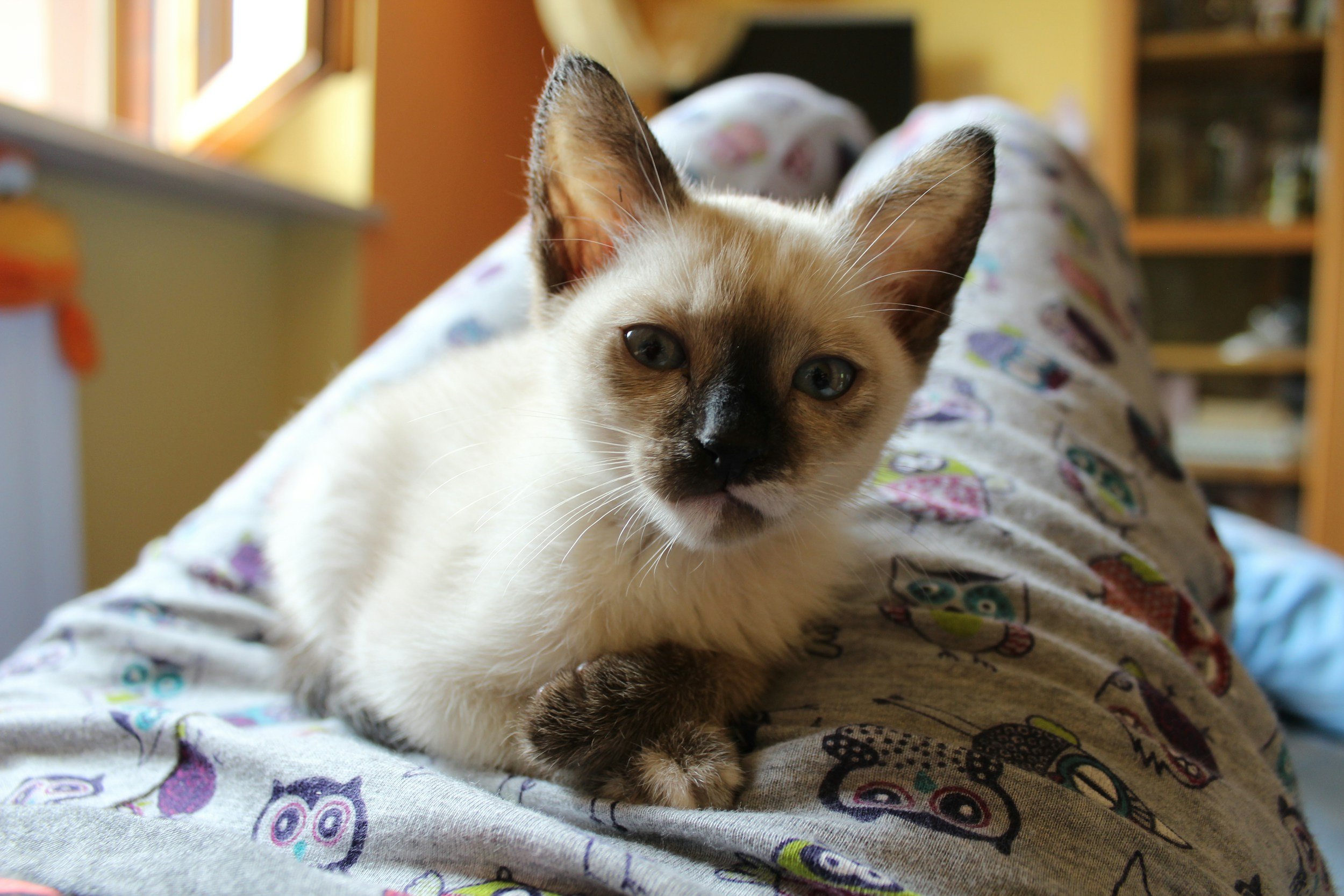
Shocking Study Reveals High Dystocia and Kitten Mortality Rates in Pedigree Cats — What Every Breeder Needs to Know!
A study on dystocia and kitten mortality in pedigree cats revealed a 14.9% incidence of dystocia, with breed-specific variations. Bengal cats had the highest kitten mortality rate at 23.4%. The study emphasizes the role of queen age, gestation length, and breed in birthing outcomes, offering insights for breeders to improve kitten survival and health.

Leptospira Infections on the Rise: Shocking Seroprevalence Findings in Dogs, Cats, and Horses in Tennessee
A study in Tennessee revealed alarming Leptospira seroprevalence rates in dogs, cats, and horses, with significant differences observed between vaccinated and unvaccinated dogs. The research also highlighted the role of cross-reactivity between serovars and its impact on diagnostic accuracy. This study underscores the importance of vaccination and accurate testing in managing Leptospirosis in animals.