



Stress and Gut Health in Pets: How the Microbiome Could Be the Key to Happier, Healthier Dogs and Cats
Discover how stress affects your pet’s microbiome and overall health. Dr. Holly Arnold from Oregon State reveals new insights on reducing stress in pets through gut health strategies, the benefits of FAS scoring in vet visits, and emerging therapies for stressed pets. Learn why addressing the gut could revolutionize stress management in pets, especially in high-stress environments like shelters.
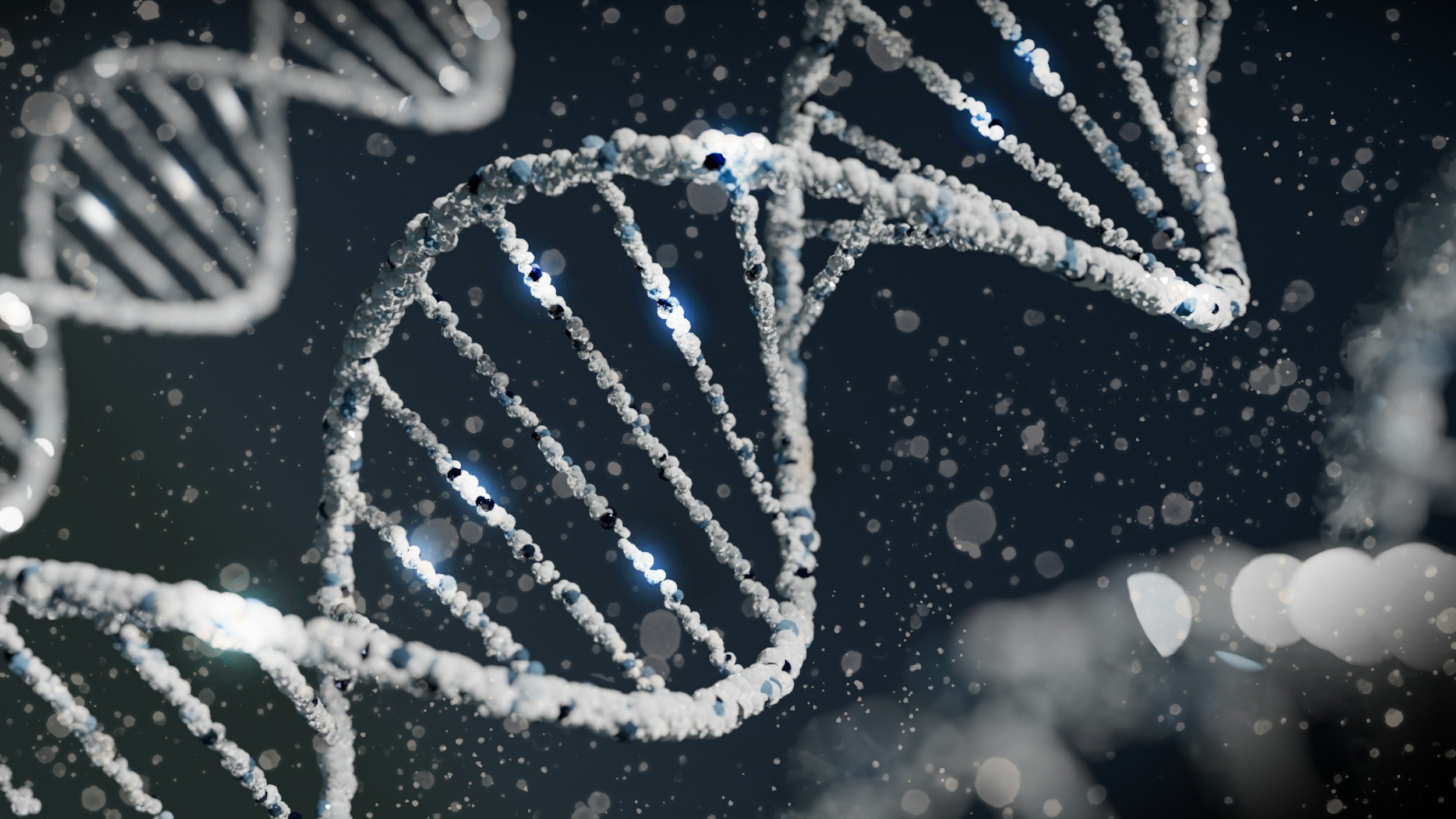
International canine gene research database accelerates biomedical research
The International DoGA Consortium has achieved a significant milestone in genetics research by creating a comprehensive canine promoter and gene expression atlas. The atlas is a database that shows which genes are active in different parts of the body and when they are activated. This helps researchers better understand how genes function in various situations and how they impact health and diseases.
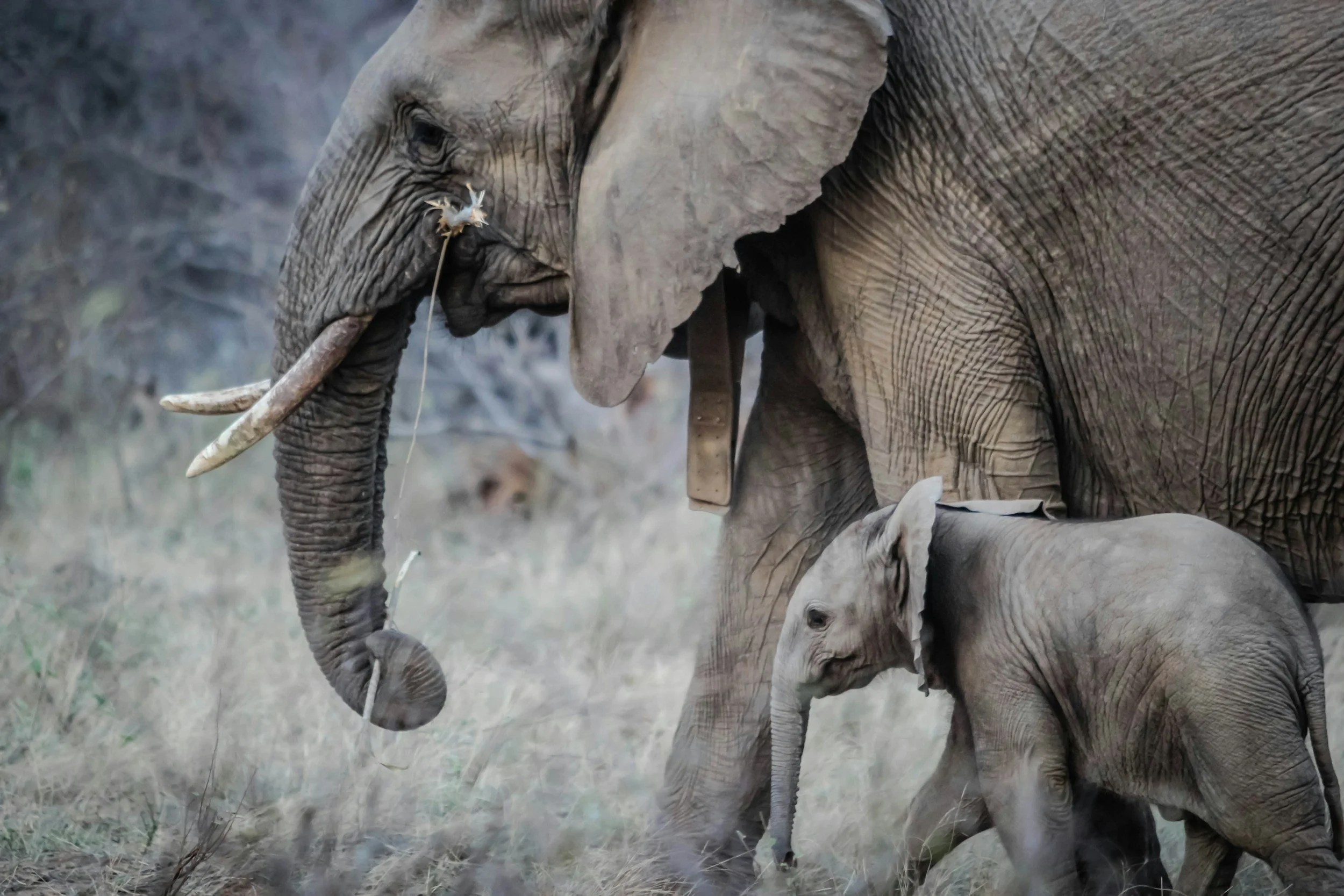
50 years of survey data confirm African elephant decline
Habitat loss and poaching have driven dramatic declines in African elephants, but it is challenging to measure their numbers and monitor changes across the entire continent. A new study has analyzed 53 years of population survey data and found large-scale declines in most populations of both species of African elephants.
From 1964-2016, forest elephant populations decreased on average by 90%, and savanna elephant populations fell on average by 70%. In combination, populations declined by 77% on average. The study compiled survey data from 475 sites in 37 countries, making it the most comprehensive assessment of African elephants to date.

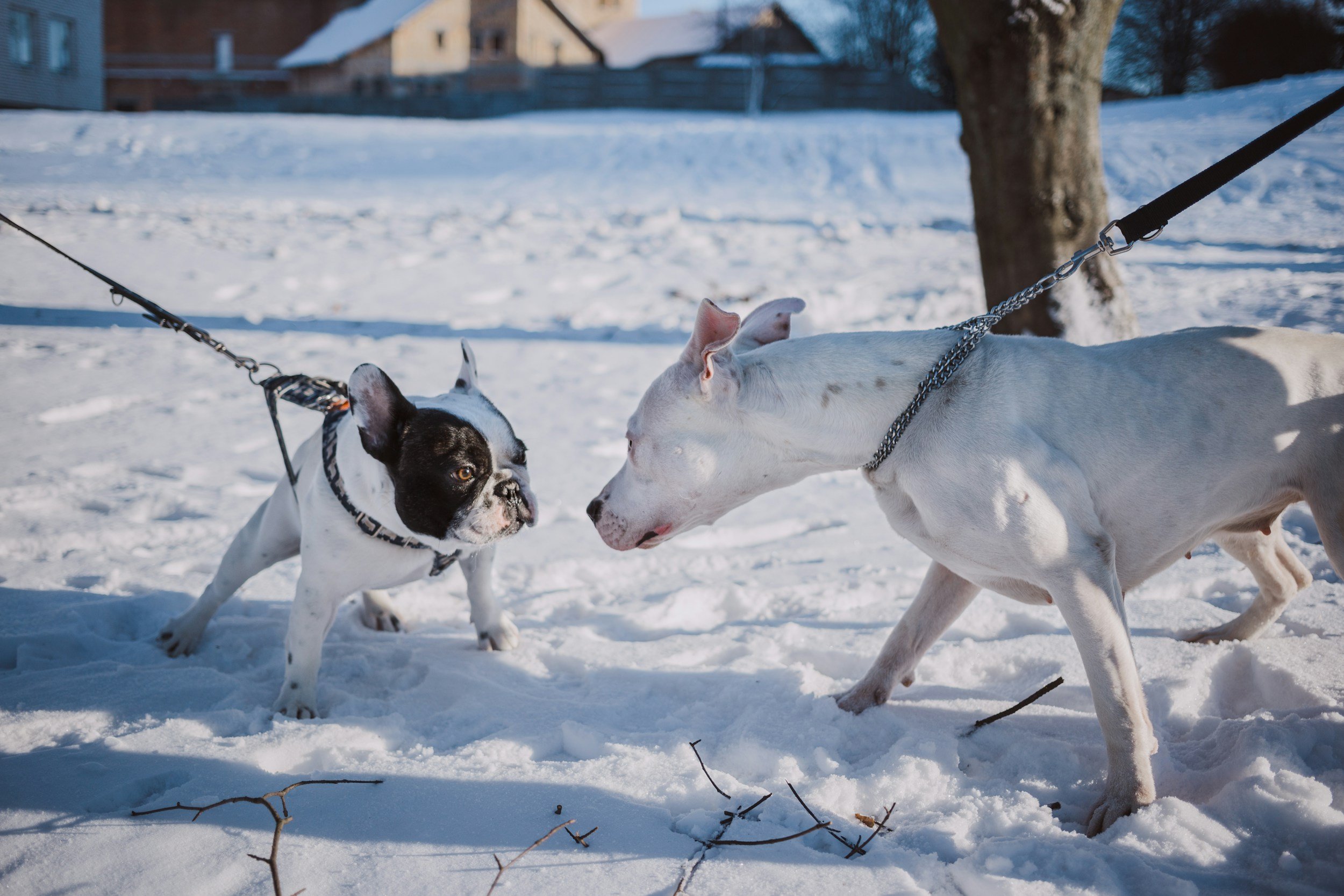
The Ancient Cancer That Dogs Have Been Passing Down for Thousands of Years: Inside the Mysterious World of Canine TVT
Transmissible Venereal Tumor (TVT) in dogs is not only a fascinating medical anomaly but also a living relic from thousands of years ago. This tumor is unique because it is a contagious cancer, capable of being transmitted directly from one dog to another through direct contact. Unlike most cancers, which arise within the cells of the host organism, TVT cells are genetically distinct from the host’s cells. They are not a random mutation but a clone of an ancient cancer cell that has been passed down through generations of dogs worldwide. Here’s how TVT defies conventional oncology and what makes it a window into evolutionary biology.
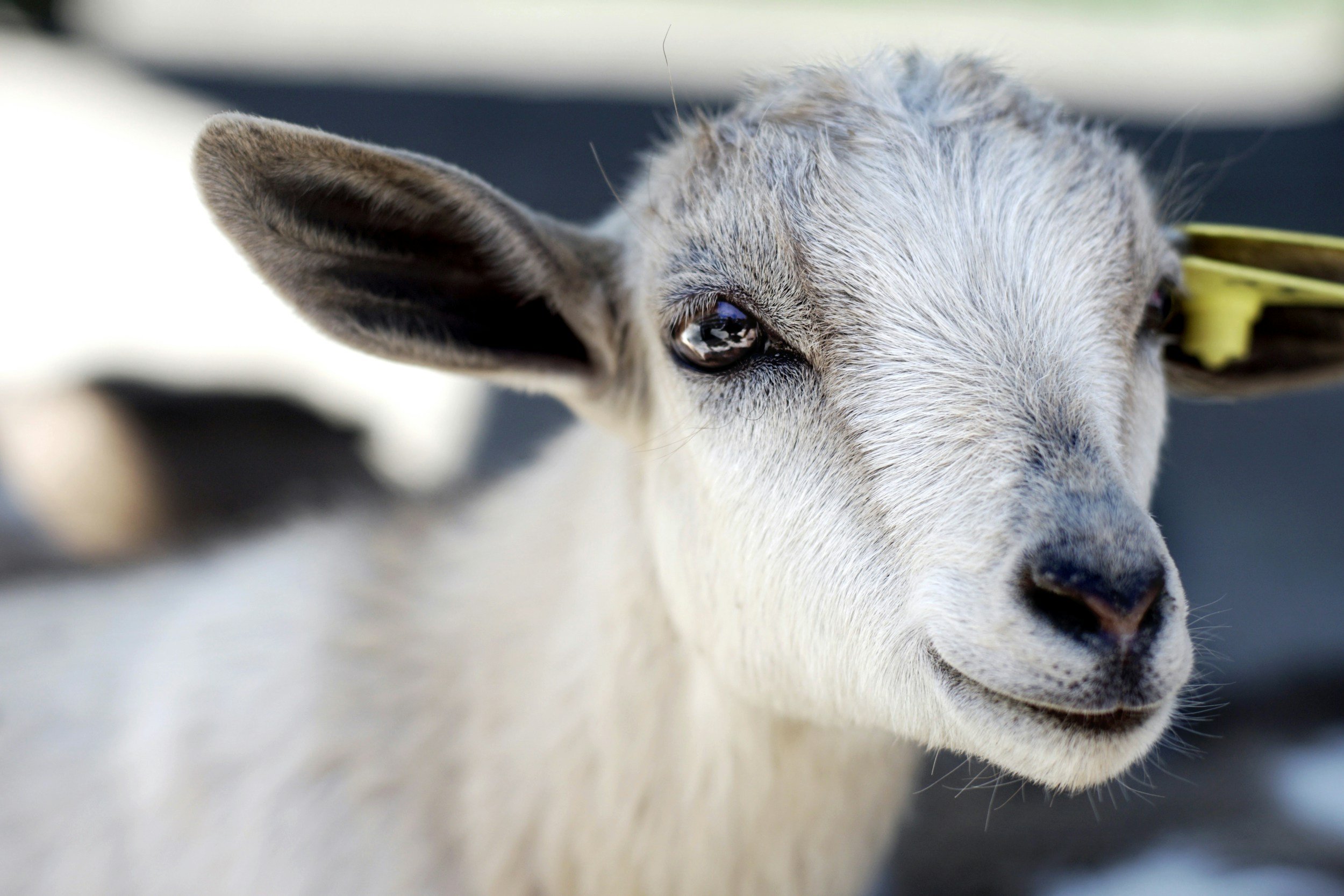
How AI is Learning to Read Pain on Goat Faces—and What it Means for Animal and Human Healthcar
in goats by analyzing facial expressions. This pioneering approach, led by Dr. Ludovica Chiavaccini, aims to create a more objective and reliable pain scale for animals and potentially humans. As pain management becomes increasingly vital in veterinary and farming practices, AI-driven pain assessment could transform care for non-verbal patients across species.