



Surprising Discovery in Cat Spines: Why the T10-T11 Disc Space Is Unusually Narrow
It’s well-known that the T10-T11 intervertebral disc space in dogs is narrower than its neighboring spaces, but what about in cats? A recent study set out to explore this question, shedding new light on feline spinal anatomy and confirming that the T10-T11 disc space is also significantly narrower in cats than other adjacent disc spaces.
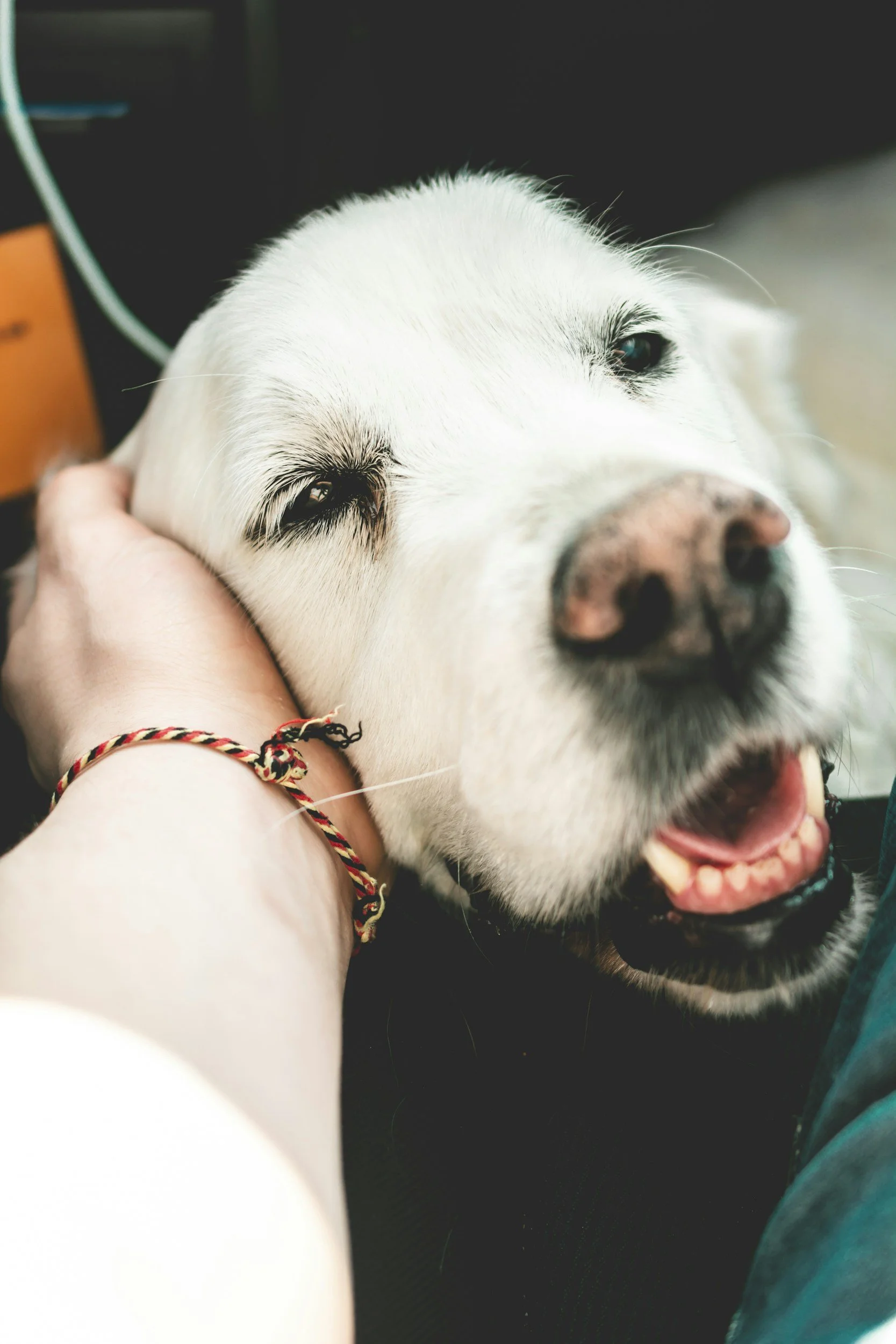
CHOP-19 vs. CHOP-25: Which Chemotherapy Protocol Is Best for Dogs with Lymphoma?
Lymphoma is one of the most common cancers in dogs, and for years, veterinarians have relied on CHOP-based chemotherapy protocols as the gold standard for treating peripheral nodal B-cell lymphomas (PNBCL). Two protocols—CHOP-19 and CHOP-25—are frequently prescribed, but until now, they had never been directly compared. A recent study sought to settle the debate and determine if one protocol offers better outcomes for canine lymphoma patients.

Veterinary scientific discovery scratching beneath the surface of itchiness
Ever had an itchy nose or, worse, an unreachable spot on your back that drives you mad? Now imagine an itch that refuses to go away, no matter how hard or long you scratch. That persistent itch, or pruritus, may actually be one of the skin’s first lines of defense against harmful invaders, according to neuroimmunologist Juan Inclan-Rico of the University of Pennsylvania.

AI algorithm accurately detects heart disease in dogs
Researchers have developed a machine learning algorithm to accurately detect heart murmurs in dogs, one of the main indicators of cardiac disease, which affects a large proportion of some smaller breeds such as King Charles Spaniels.
COVID-19 in Animals: Could Our Pets and Wildlife Detect the Next Outbreak?
As the world continues to grapple with COVID-19, scientists are turning their attention to the spread of SARS-CoV-2 in animals, which has the potential to evolve independently and possibly trigger new outbreaks. A recent study identifies several animal species that could act as sentinels for monitoring the re-emergence of COVID-19 or the rise of similar diseases.

Exploring Colorado’s Proposition 129 (2024): Insights from Mark Cushing on a New Role in Veterinary Medicine
In less than one week, Colorado voters will weigh in on Proposition 129, a proposal to amend the Colorado Revised Statutes to create a new professional designation within veterinary medicine. Known as the “Veterinary Professional Associate” (VPA), this new role would introduce a structured pathway for individuals with a master’s degree to contribute to veterinary care under the supervision of a licensed veterinaria