


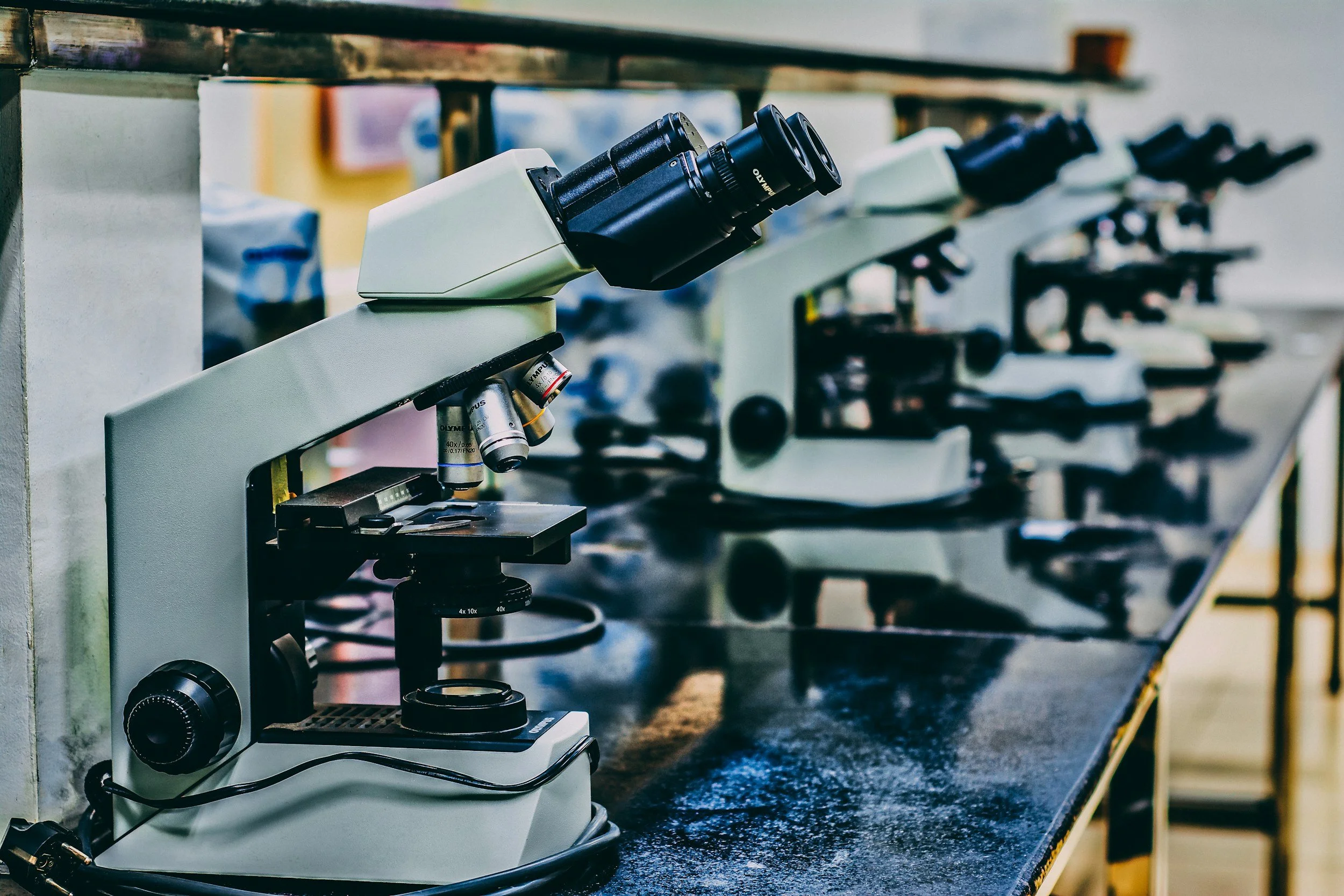
Researchers at Tel Aviv University engineered the 'cat parasite' Toxoplasma gondii to produce and release therapeutic proteins in the human brain
In a breakthrough study an international team of scientists led by researchers from Tel Aviv and Glasgow Universities, the 'cat parasite' Toxoplasma gondii was engineered to deliver drugs to the human brain.
The study was led by Prof. Oded Rechavi from the Department of Neurobiology and the Sagol School of Neuroscience at Tel Aviv University, together with his PhD student Dr. Shahar Bracha, and with Prof. Lilach Sheiner, an Israeli scientist and toxoplasma expert from the University of Glasgow in Scotland. The results were published in the leading scientific journal Nature Microbiology.
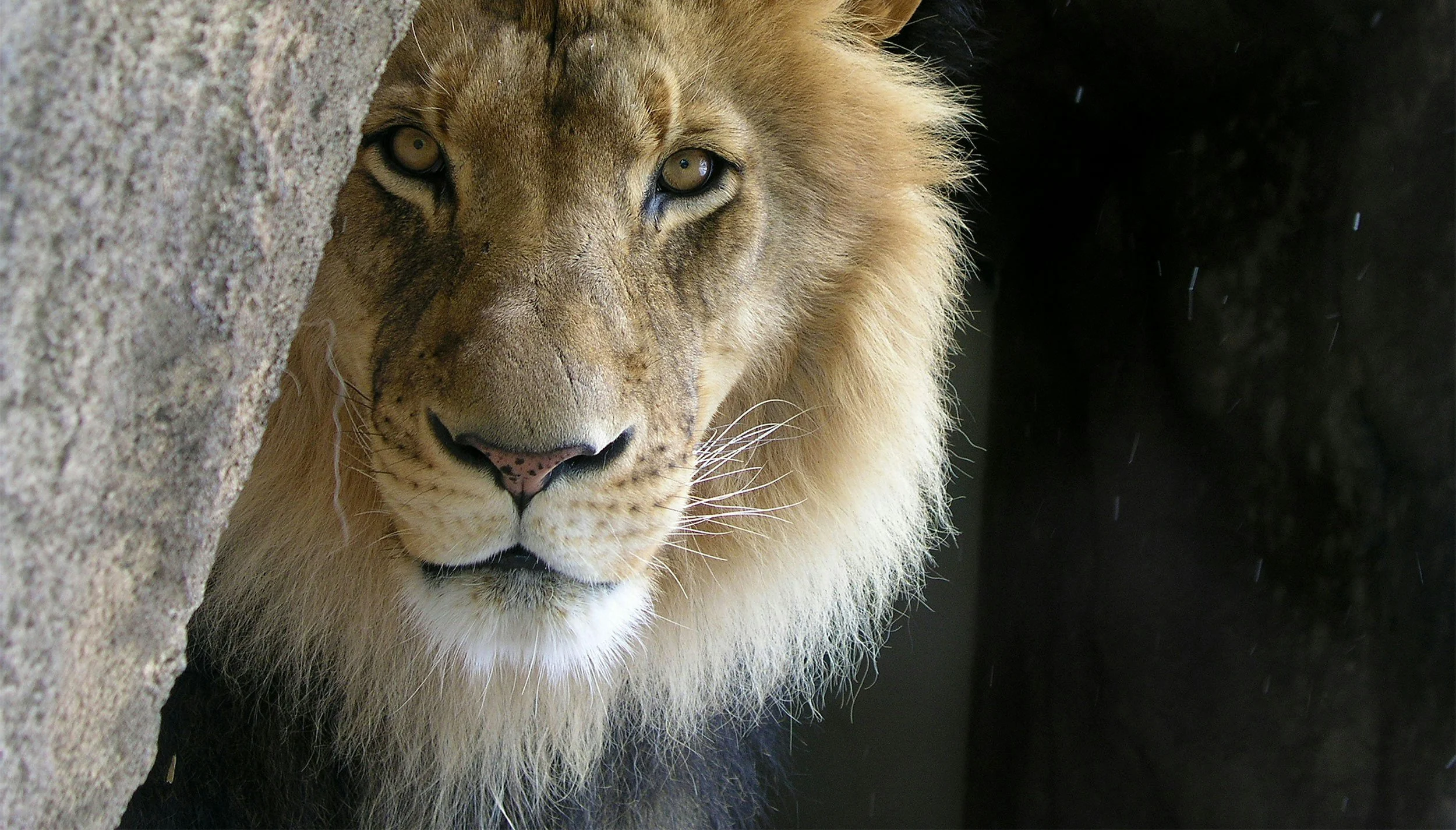
Unlocking the kaleidoscope of big cat eyes: The surprising evolution of felid eye color diversity
The piercing golden gaze of cheetahs, the striking blue stare of snow leopards, and the luminous green glare of leopards are traits that can all be traced to one ancestor; an ocelot-like feline progenitor that roamed the Earth over 30 million years ago.
In a new study published in iScience, Harvard researchers have discovered that this ancestral population likely had both brown and gray-eyed individuals, the latter being key to paving the way for the rapid and wide diversification of iris color seen in modern felids.

Geometric mechanics shape the dog's nose
The noses of many mammals, such as dogs, ferrets and cows, feature grooves forming a multitude of polygons. A team from the University of Geneva (UNIGE) has analyzed in detail how these patterns form in the embryo using 3D imaging techniques and computer simulations. The researchers discovered that differential growth of the skin tissue layers leads to the formation of domes, which are mechanically supported by the underlying blood vessels. This work describes for the first time this morphogenetic process, which could help explain the formation of other biological structures associated with blood vessels. These findings are published in the journal Current Biology.

Histomonosis, a deadly turkey disease, researched with new $3.2M FDA grant
As scientists learn more about a deadly parasite’s ability to move from host to host in turkey flocks, a long-standing theory is in question and opens the door to new preventative measures.
Histomonas meleagridis, the parasite behind histomonosis — also known as blackhead disease — can decimate flocks of turkeys. There are currently no U.S. Food and Drug Administration-approved vaccines or therapeutics to treat the birds.

Shocking New Findings Reveal How Geography and Income Impact Epilepsy Care for Dogs
Canine epilepsy is a common yet poorly understood condition due to gaps in research and diagnostic inconsistencies. This review emphasizes the need for more studies in primary care settings and the importance of standardized diagnostic practices. Geographic, cultural, and socioeconomic factors play a significant role in how epilepsy is diagnosed and managed, and efforts to address these disparities will be key in improving the quality of life for dogs with epilepsy.
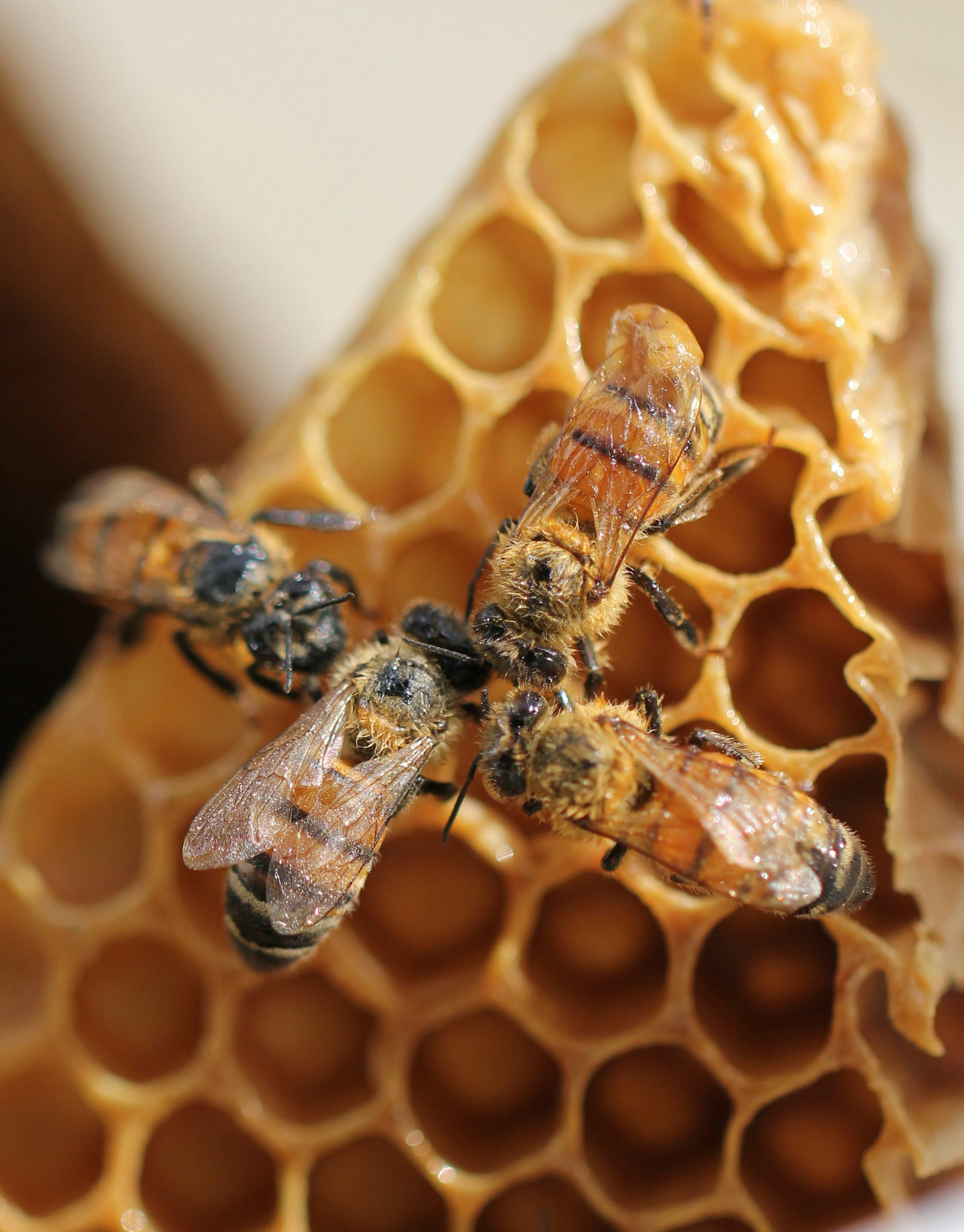
Revolutionary Study Reveals Medical-Grade Honey's Unmatched Power in Healing Pet Wounds
Discover why medical-grade honey is revolutionizing wound care for pets! This new study reveals its unmatched antibacterial properties against common bacterial infections in dogs and cats. Learn why medical-grade honey could be your pet’s best defense against stubborn wounds.