



What fat cats on a diet may tell us about obesity in humans
Pet cats may be excellent animal models for the study of obesity origins and treatment in humans, a new study of feline gut microbes suggests – and both species would likely get healthier in the research process, scientists say.

Bacterial gut diversity improves the athletic performance of racehorses
The composition of gut bacteria of Thoroughbred racehorses at one-month-old can predict their future athletic performance, according to a new study from the University of Surrey. Foals with lower bacterial diversity at 28 days old also had a significantly increased risk of respiratory disease later in life.

Scientists map DNA of Lyme disease bacteria
Weigang Qiu, a professor of Biology at the CUNY Graduate Center and Hunter College, and an international team including lead author Saymon Akther, a former CUNY Graduate Center Biology Ph.D. student, mapped the complete genetic makeup of 47 strains of Lyme disease-related bacteria from around the world, creating a powerful tool for identifying the bacterial strains that infect patients. Researchers said this could enable more accurate diagnostic tests and treatments tailored to the bacteria causing each patient’s illness.

Social rank may determine if animals live fast, die young
Anyone who has picnicked on the beach has experienced the unpleasant crunch of a sandwich with a surprise helping of sand. But for primates, the tolerance for sand may depend on whether their energy is better spent reproducing and fighting rivals or on protecting their teeth from a mouthful of grit, according to a new Dartmouth study.

Dairy nutrition is leading the sustainability charge
Research into reducing greenhouse gas emissions from livestock has increased exponentially as the dairy and agriculture sectors work together toward shared sustainability and efficiency goals. While this progress has been made in all areas of dairy science research, from genetics to animal health and welfare, dairy nutritionhas emerged as a particularly impactful area for emission reduction. In a new invited reviewin the Journal of Dairy Science, a preeminent voice in sustainability and dairy nutrition synthesizes what we know so far and reveals that new nutrition strategies could potentially slash methane emissions by a staggering 60% in the coming years.
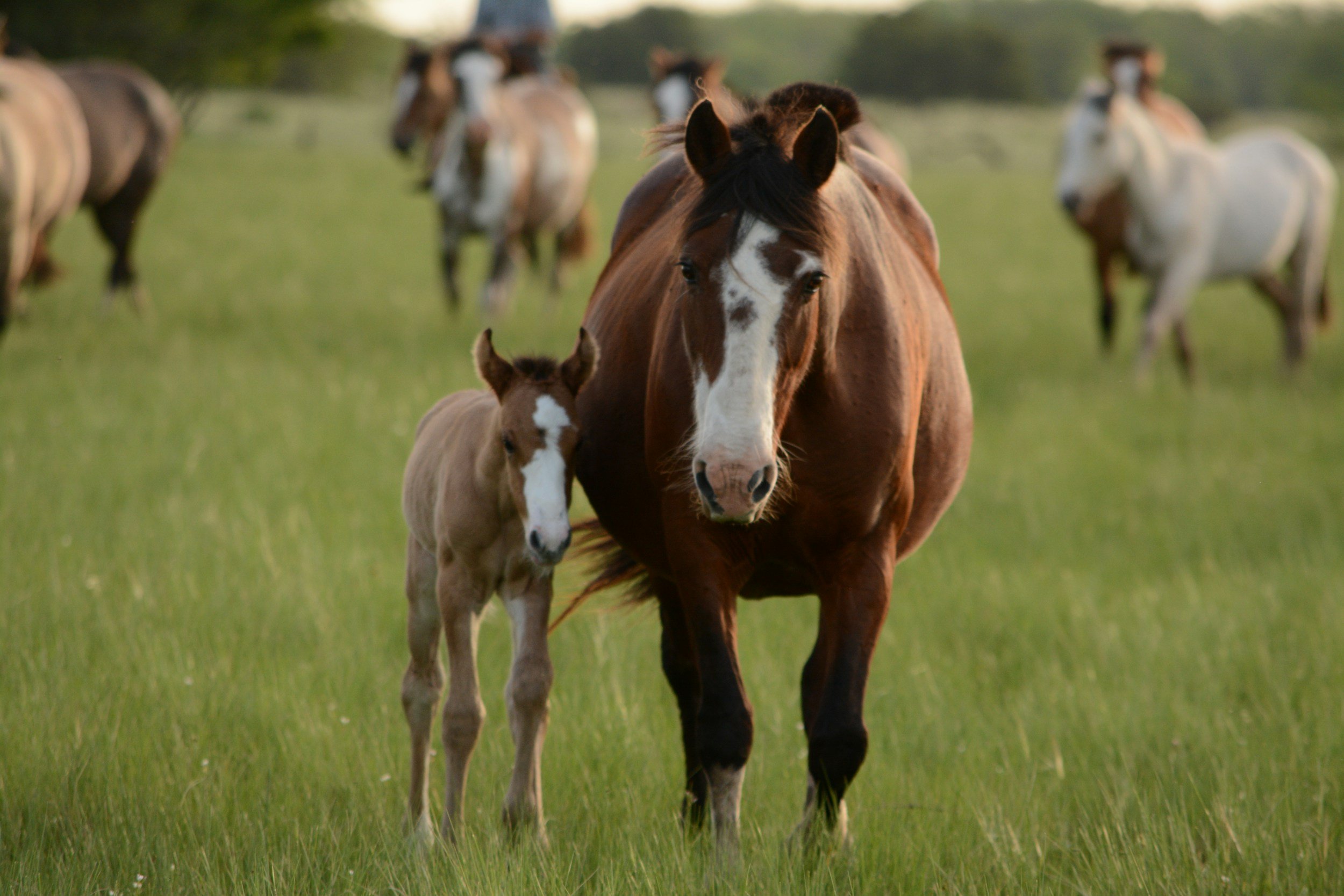
Common equine painkiller disrupts assisted reproduction technique efficiency in mares, Texas A&M research finds
Researchers at the Texas A&M School of Veterinary Medicine & Biomedical Sciences (VMBS) have discovered that phenylbutazone, a non-steroidal anti-inflammatory drug (NSAID) commonly prescribed in horses, can affect the ability of a mare’s egg cells — called “oocytes” — to become viable embryos, which is a crucial step in assisted reproduction in horses.