



Study unveils complexity of zoonotic transmission chains
Researchers from the Complexity Science Hub and the University of Veterinary Medicine Vienna have dissected the complex interactions involved in zoonoses, which affect worldwide over two billion people annually. They introduce the concept of a "zoonotic web," a detailed network representation of the relationships between zoonotic agents, their hosts, vectors, food sources, and the environment.

ASU researchers explore cancer susceptibility in birds
In one of the largest studies of cancer susceptibility across bird species, researchers at Arizona State University describe an intriguing relationship between reproductive rates and cancer susceptibility.
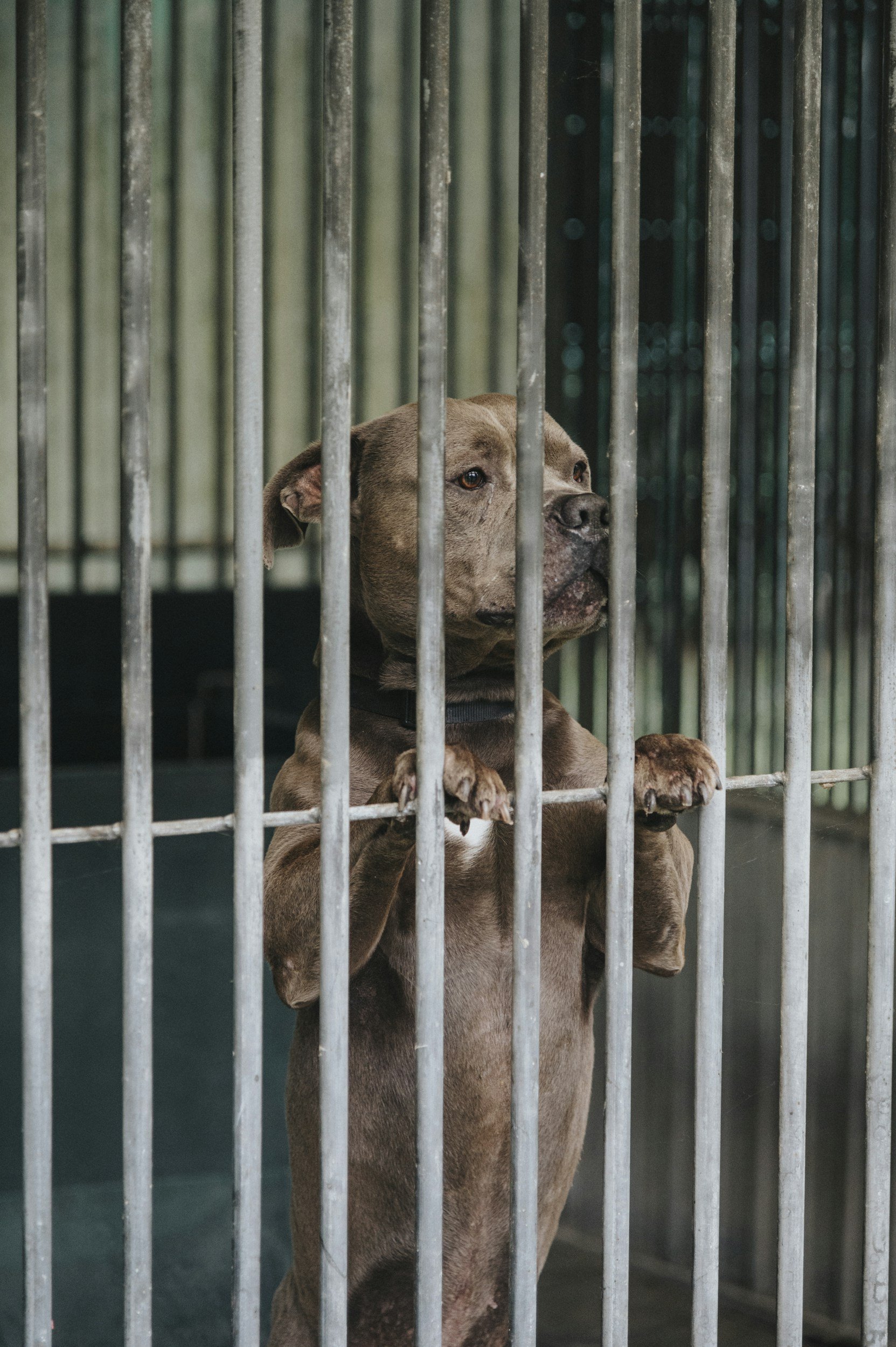
More pets relinquished to shelters due to housing insecurity
Housing policies may be becoming more pet inclusive, but housing insecurity is getting worse, finds a new study that examined the housing issues that led to owners turning their pets over to an animal shelter.
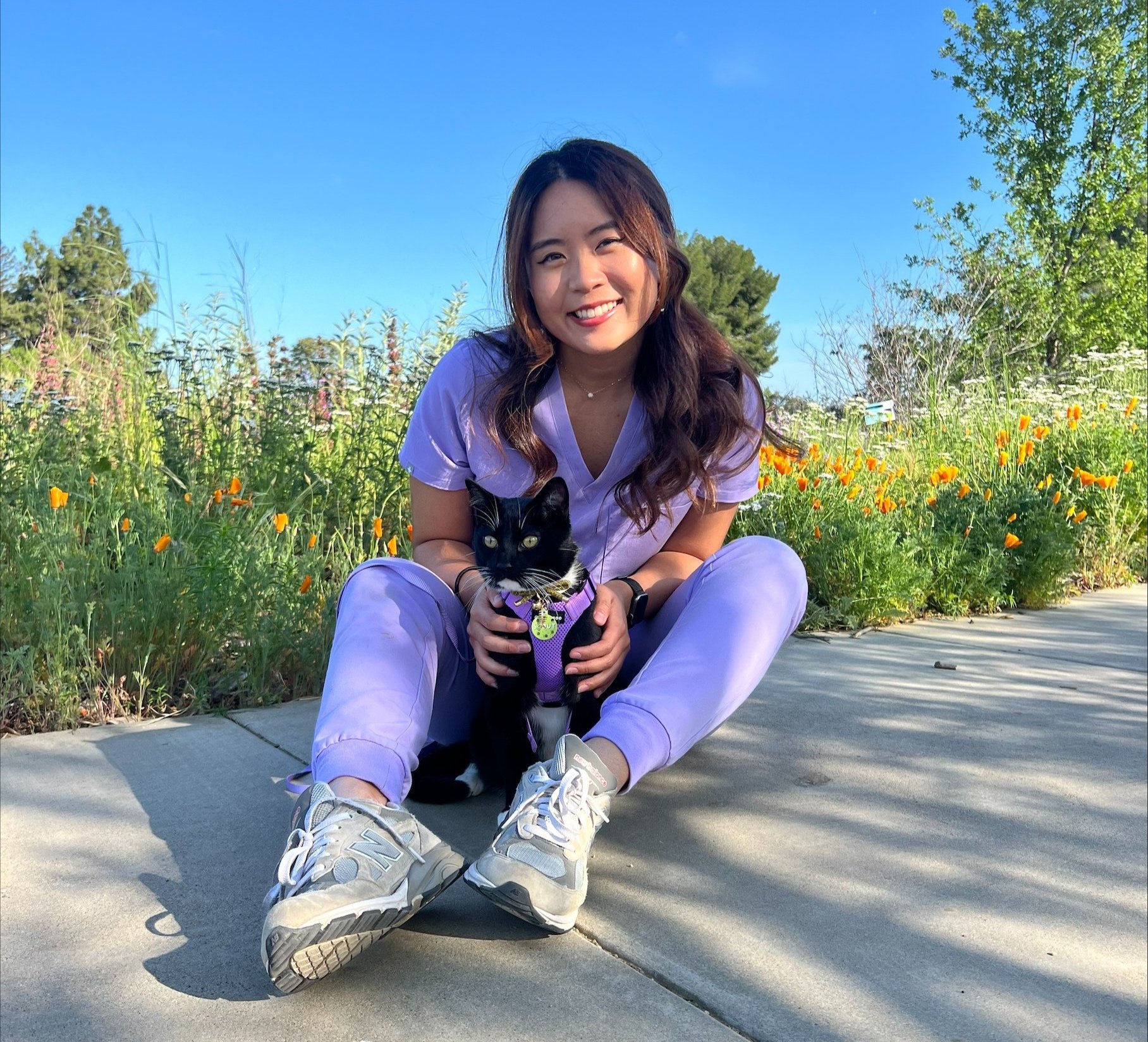
Backpacking in Europe to Veterinary School: Joanne Yaejin Seung’s Journey Will Amaze You
Discover the inspiring journey of Joanne, a second-year veterinary student at UC Davis, whose passion for education and animal care started with her high school biology teacher. Learn how her humble beginnings in tutoring and a life-changing backpacking trip across Europe shaped her mission to advance One Health initiatives. Joanne's story highlights the importance of resilience, gratitude, and interdisciplinary collaboration in veterinary medicine. Dive into her unique path and see how she's poised to make a significant impact in the field.

From the bright lights of NYC to Veterinary Elite: Michelle Albino’s Inspiring Journey
Discover how Michelle Albino, a licensed veterinary technician and VTS (Anesthesia & Analgesia) expert, is revolutionizing animal care. From her beginnings in NYC to founding Mindful Training and Consultation, Michelle is closing the gap between CrVTs and veterinarians, integrating wellness practices, and setting new standards in veterinary medicine.
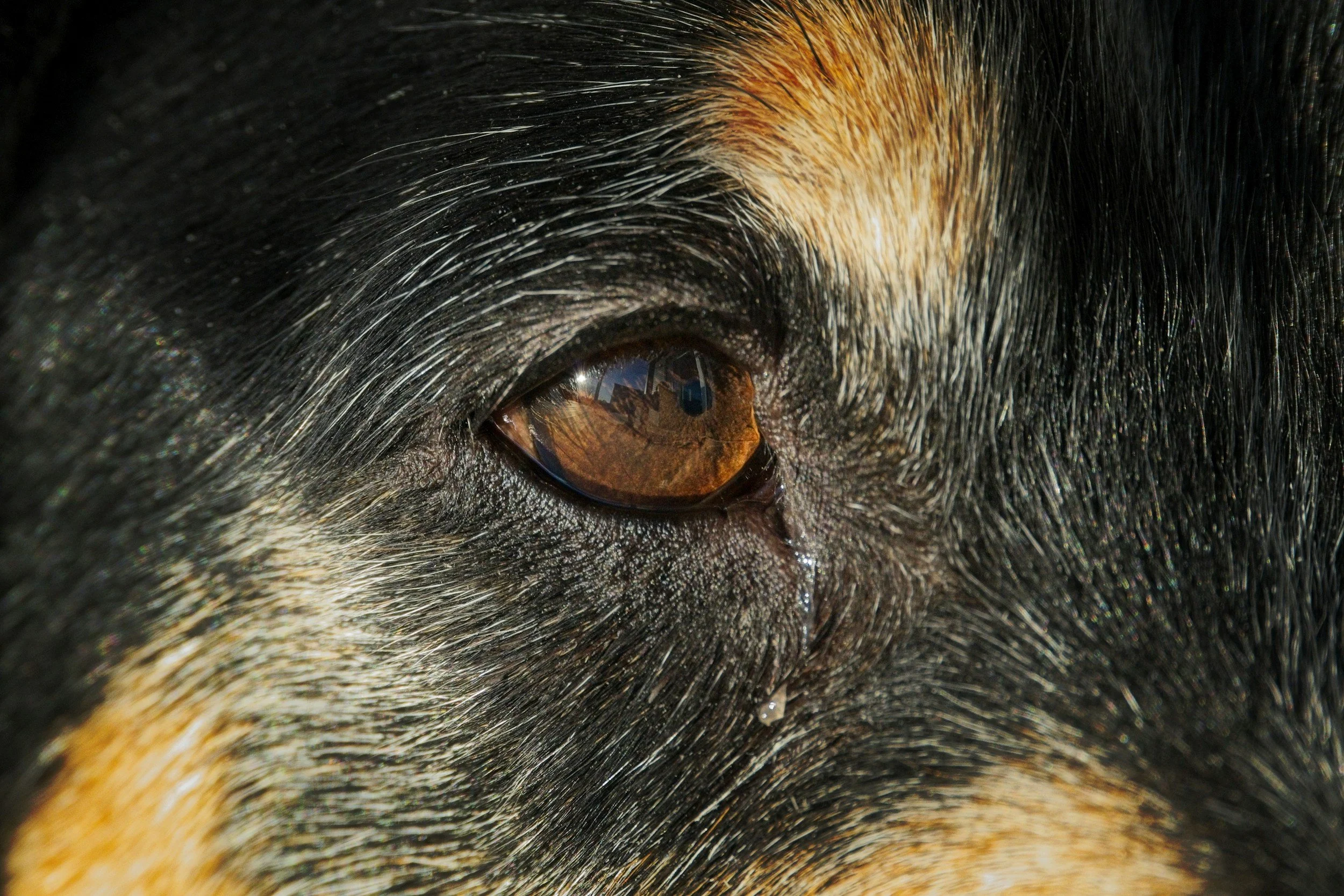
New genetic test will eliminate a form of inherited blindness in dogs
Progressive retinal atrophy (PRA) is a group of inherited diseases that causes progressive degeneration of the light sensitive cells at the back of the eye. Dogs with PRA have normal sight at birth, but by the age of four or five they will be totally blind. There is no treatment.
Now a team led by the University of Cambridge has identified the genetic mutation that causes PRA in English Shepherd Dogs, and developed a DNA test for it. By identifying dogs carrying the disease before their eyesight starts to fail, this provides a tool to guide breeding decisions so the disease is not passed on to puppies