



Feeling Anxious? Uncovering the Truth About Generalized Anxiety Disorder in Veterinary Practice
Explore the impact of Generalized Anxiety Disorder (GAD) on veterinary professionals. Learn how to recognize symptoms, manage anxiety effectively, and maintain mental well-being in a demanding veterinary environment. Discover strategies to support yourself and your colleagues in overcoming anxiety.

Shocking Discoveries: What Regular Health Screenings Revealed in 'Healthy' Older Cats Over Two Years
Uncover the hidden health risks in mature and senior cats with this groundbreaking study. Over two years, researchers found that regular screenings revealed significant health issues in seemingly healthy cats, including chronic kidney disease and hyperthyroidism. Learn why routine check-ups are crucial for your feline friends.
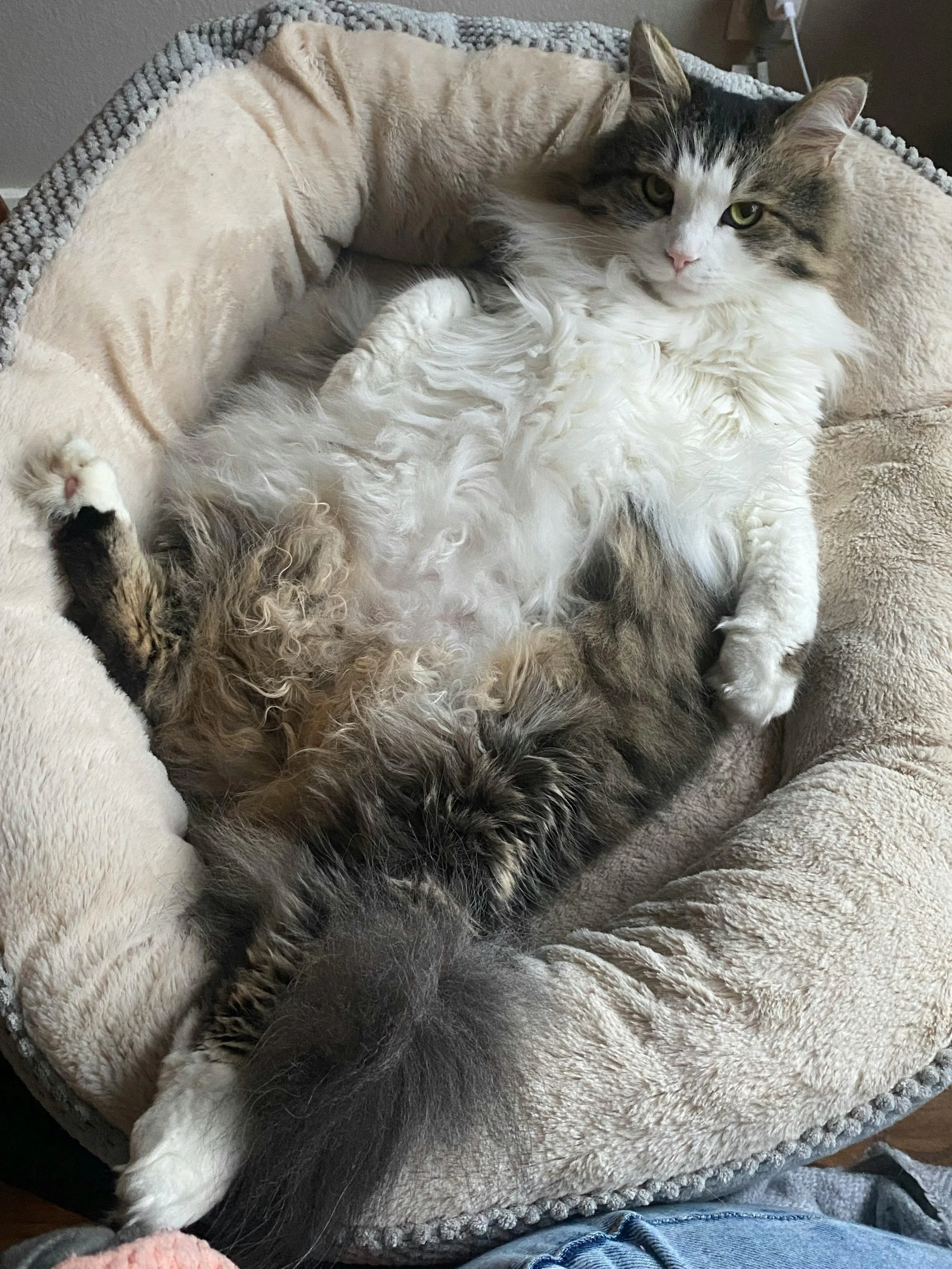
Revolutionary Test Reveals Surprising Results in Monitoring Blood Thinners for Cats with Heart Disease
Discover how a groundbreaking study evaluates the effectiveness of clopidogrel in healthy cats using new viscoelastic tests and thromboelastography. This research uncovers variability in feline responses, highlighting the need for advanced monitoring techniques to prevent arterial thromboembolism in cats.

Unraveling the Mystery: How Gut Bacteria Could Be the Key to Preventing Kidney Stones in Cats
Explore the groundbreaking study that links gut and urinary microbiota to kidney stone formation in cats. Learn how microbiota modulation could offer a new strategy to prevent renal lithiasis in our feline friends. Discover the fascinating gut-kidney connection today.

Texas A&M center receives $7.6 million grant to promote research in environmental health
The Texas A&M Center for Environmental Health (TiCER), a National Institute of Environmental Health Sciences (NIEHS) Environmental Health Sciences Core Center, will be returning to the Texas A&M School of Veterinary Medicine and Biomedical Sciences (VMBS) with a $7.6 million grant for the center’s new funding cycle.
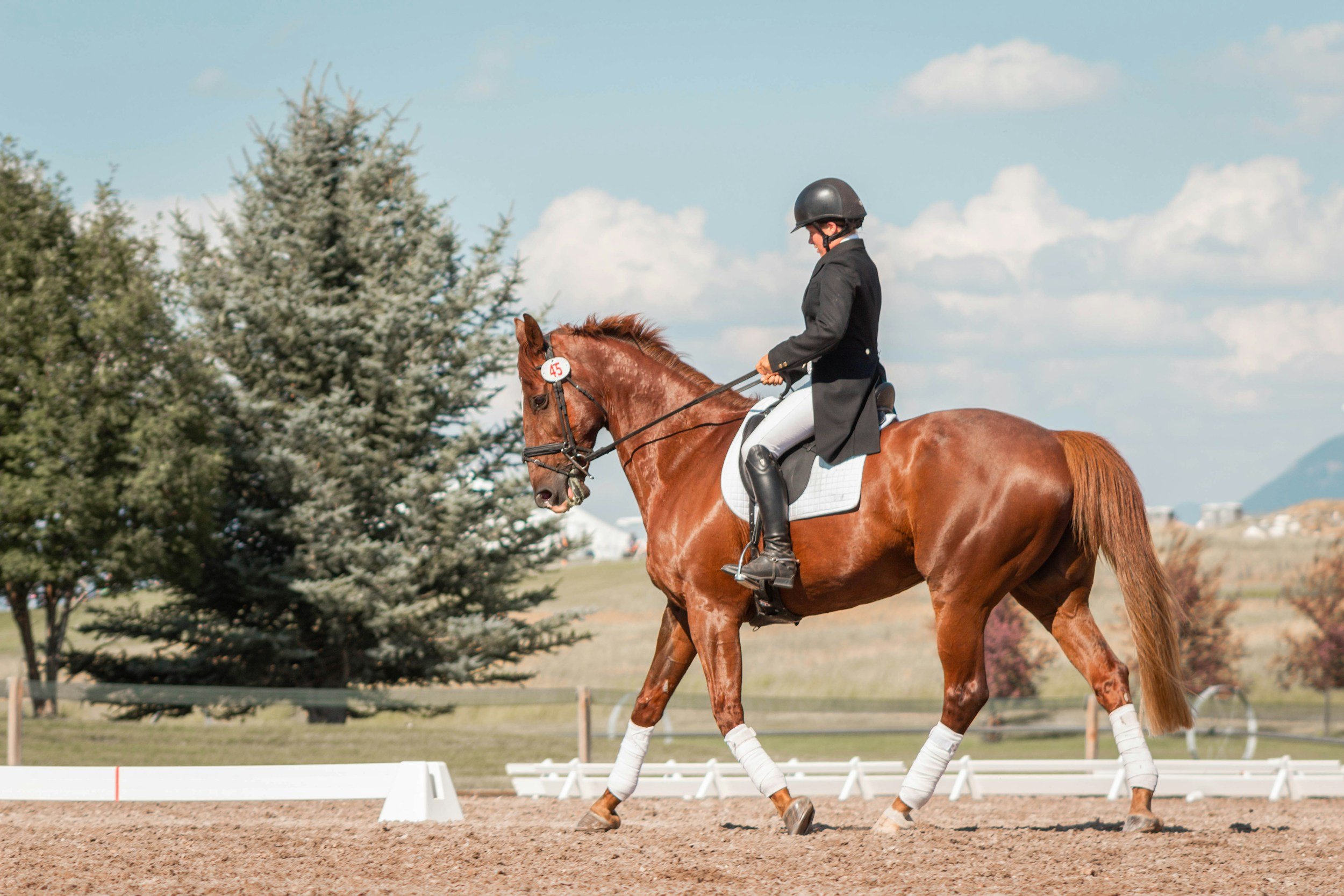
Movement sensors show promise in identifying horses at injury risk
A small 3-ounce sensor capable of recording 2,400 data points of movement in just one second being tested and refined by researchers at Washington State University could be key in reducing the number of injuries to racehorses.