



Unraveling the Mystery: How Gut Bacteria Could Be the Key to Preventing Kidney Stones in Cats
Explore the groundbreaking study that links gut and urinary microbiota to kidney stone formation in cats. Learn how microbiota modulation could offer a new strategy to prevent renal lithiasis in our feline friends. Discover the fascinating gut-kidney connection today.

Texas A&M center receives $7.6 million grant to promote research in environmental health
The Texas A&M Center for Environmental Health (TiCER), a National Institute of Environmental Health Sciences (NIEHS) Environmental Health Sciences Core Center, will be returning to the Texas A&M School of Veterinary Medicine and Biomedical Sciences (VMBS) with a $7.6 million grant for the center’s new funding cycle.

Movement sensors show promise in identifying horses at injury risk
A small 3-ounce sensor capable of recording 2,400 data points of movement in just one second being tested and refined by researchers at Washington State University could be key in reducing the number of injuries to racehorses.

At Just 26, Dr. Dazjah Samuels Is Fast-Tracking to Veterinary Partnership Success!
Discover the inspiring journey of 26-year-old Dr. Dazjah Samuels, a 2024 Ross University graduate, who is quickly becoming a partner doctor with Hometown Veterinary Partners. Learn how her entrepreneurial spirit, mentorship, and dedication to veterinary medicine have set her apart. Explore her tips for success, her commitment to mental health in the profession, and her exciting plans for the future.
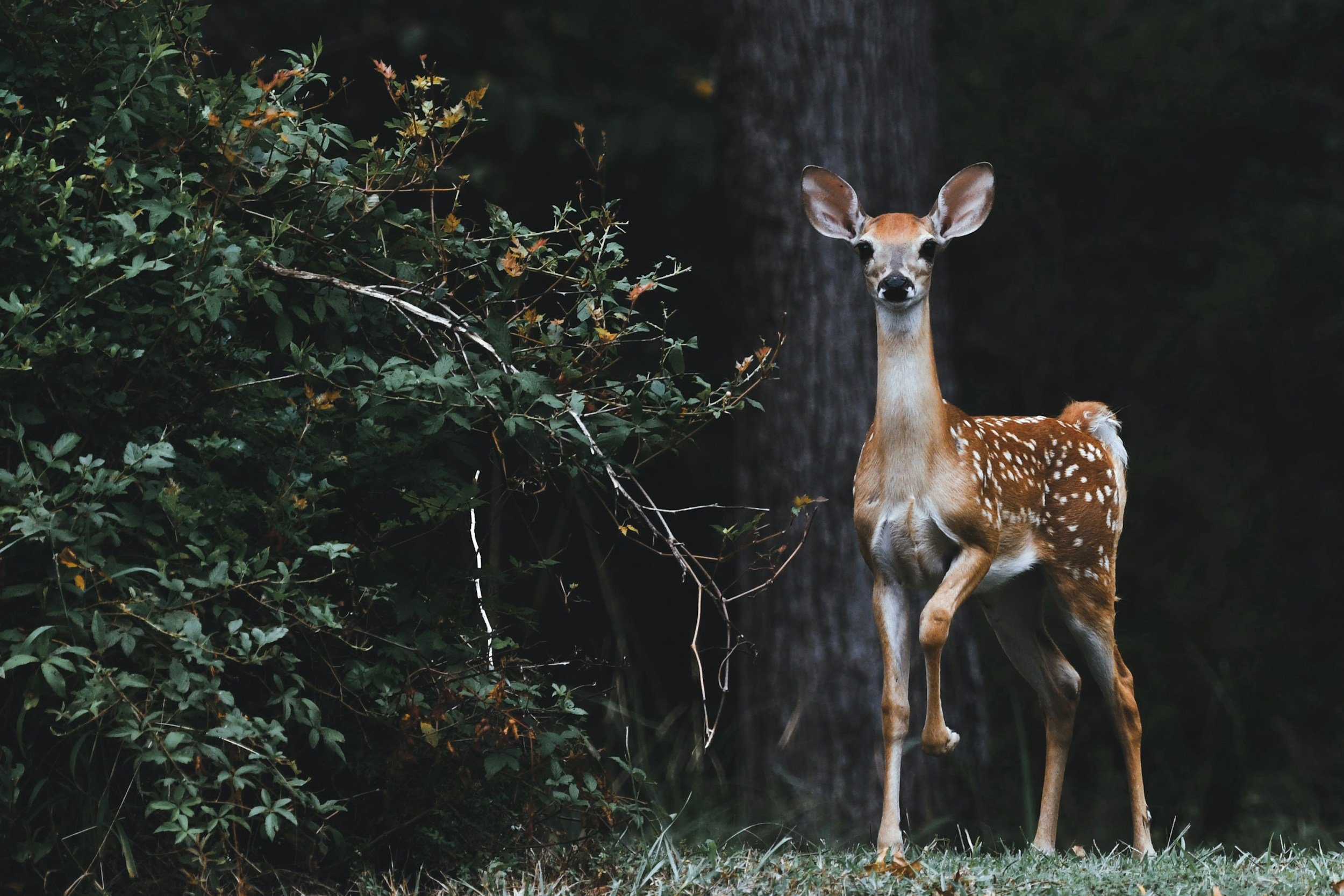
Cornell Veterinary Medicine experts develop computer model and app to predict chronic wasting disease
Wildlife experts from the Cornell University College of Veterinary Medicine (CVM) have helped develop a regional computer model – and user-friendly app – that predicts counties in 16 states where wildlife managers should target their surveillance of chronic wasting disease in deer, helping them conserve scarce money and labor resources. The model – described in a paper published June 22 in Scientific Reports – highlights areas with similar conditions to counties known to harbor chronic wasting disease, so agencies can then focus their efforts.

Unlock the Secrets to Perfect Fluid Therapy in Veterinary Care: AAHA Essential Guidelines Just Released!
The AAHA Fluid Therapy Guidelines provide essential insights for veterinary practitioners, offering detailed instructions on selecting and monitoring fluid therapy for various patient conditions. Key takeaways include the importance of compartmentalized fluid prescriptions, avoiding blanket fluid rates, and preventing fluid overload. Regular monitoring and choosing the appropriate administration route are crucial actions to ensure effective treatment and minimize complications. Remember, fluids are drugs that must be used carefully to achieve therapeutic goals and ensure patient safety.