



Unlock Your Inner Strength: Why You Need to Start Practicing Self-Compassion — and How to Do It
In a world that often emphasizes perfection and relentless self-improvement, practicing self-compassion can seem like a radical act. However, embracing self-compassion is essential for mental health, resilience, and overall well-being. Here’s why you need to start practicing self-compassion and how you can begin this transformative journey.
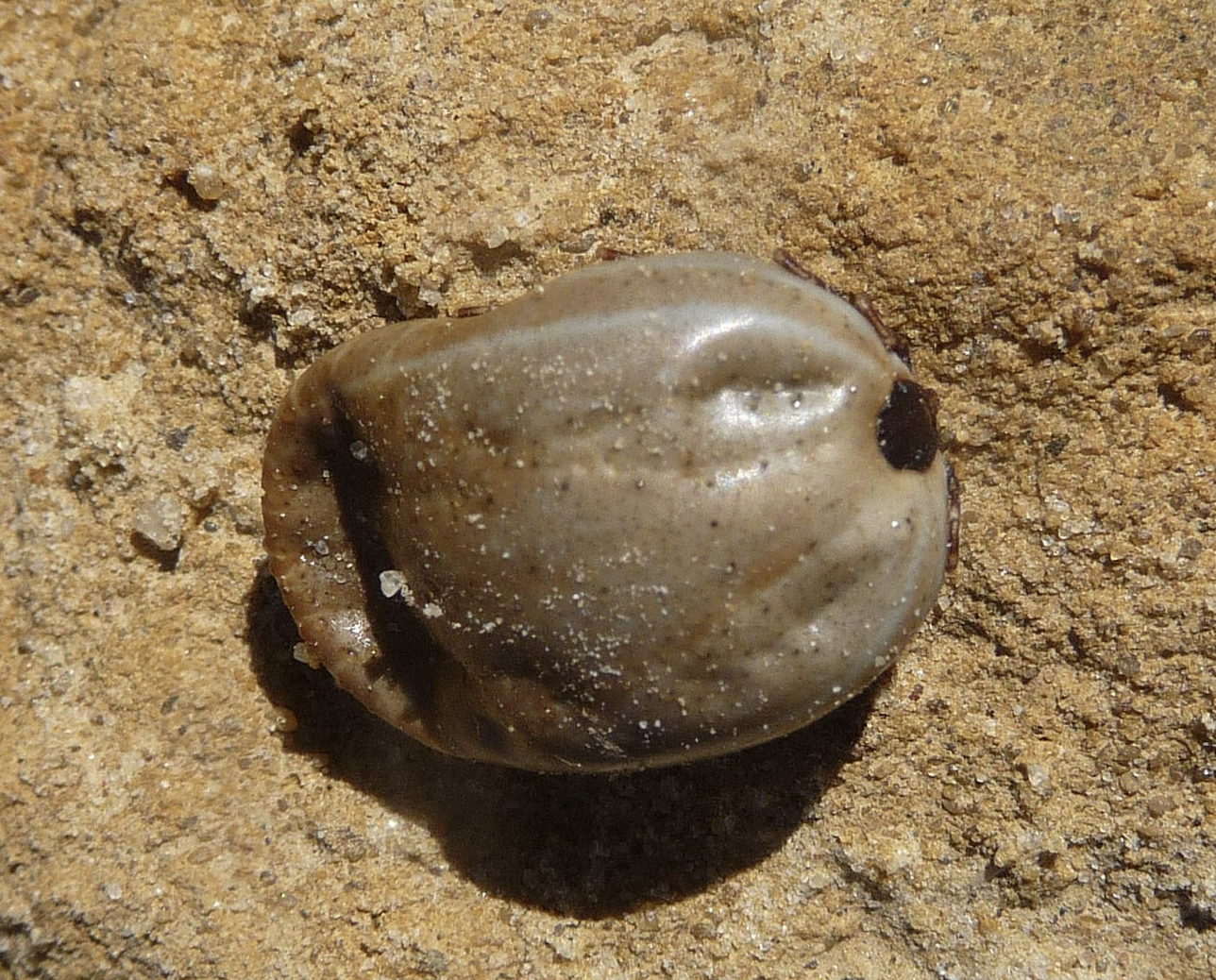
The Spread of Pyrethroid Resistance in Brown Dog Ticks: A Growing Concern for Veterinarians
The brown dog tick, Rhipicephalus sanguineus sensu lato (s.l.), poses a significant threat as a vector for Rickettsia rickettsii, the causative agent of Rocky Mountain spotted fever. Recent research has identified a mutation associated with resistance to synthetic pyrethroids (SPs), highlighting an emerging challenge in tick management. Photo credit: gailhampshire from Cradley, Malvern, U.K

New research disputes alleged benefits of a vegan diet for dogs
Scientists at the University reinvestigated data that had been used to claim that a nutritionally-sound vegan diet is “the heathiest and least hazardous dietary choice for dogs”[1]. The findings from this new analysis do not support those earlier claims, with associations between owner perceptions of dog health and feeding a vegan diet instead being minimal.

Exposing the Bullies: Proven Strategies to Combat Workplace Bullying
According to a survey by the Workplace Bullying Institute, an estimated 48.6 million Americans are bullied at work. The survey found that 30% of workers have direct experience being bullied in the workplace and an additional 19% have witnessed it.
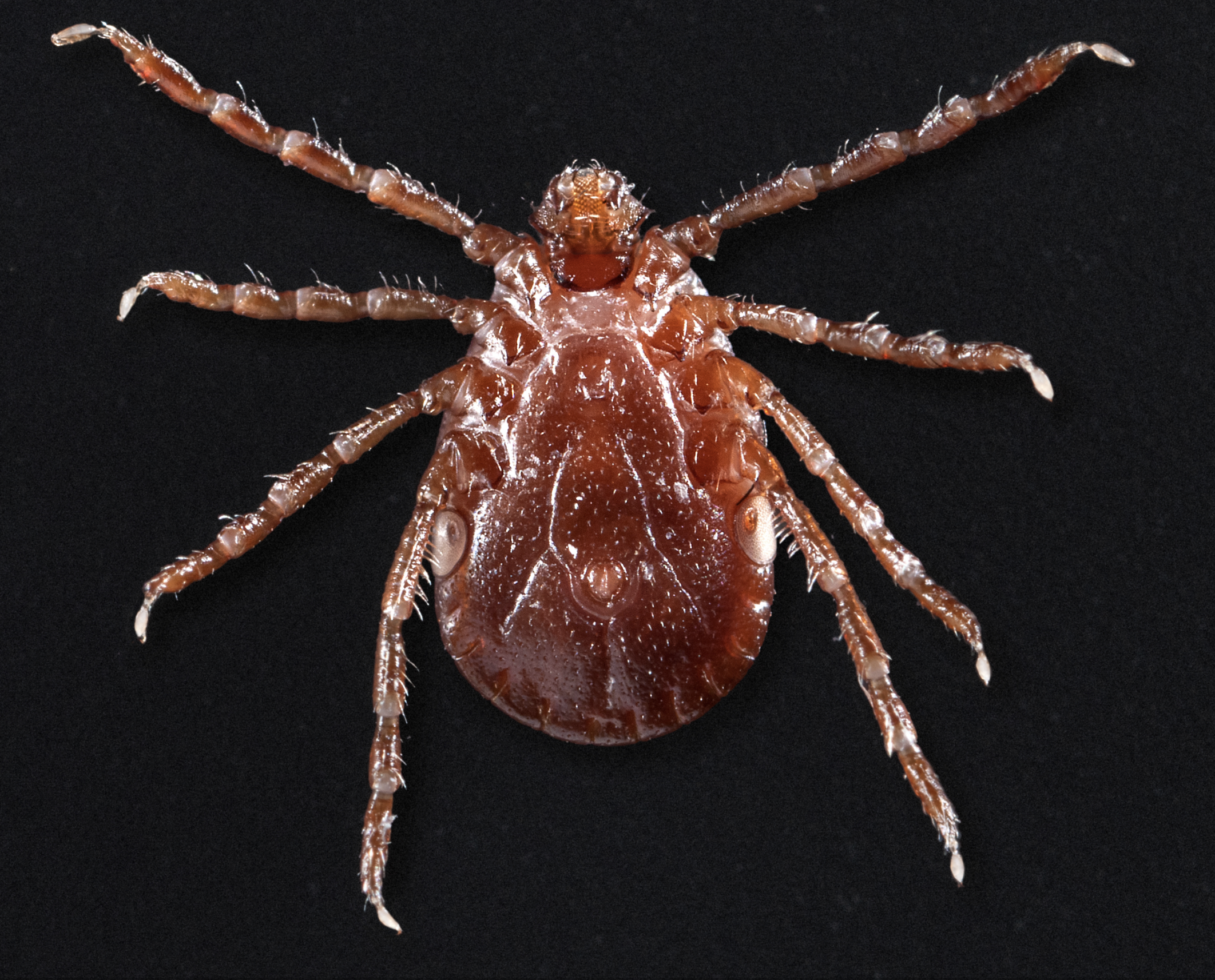
Invasive Asian Longhorned Tick Spreads Across Eastern U.S., Threatening Livestock
The Asian longhorned tick (Haemaphysalis longicornis), an invasive species capable of parthenogenesis, is rapidly spreading across the eastern United States.

Unveiling the Hidden Threat: Babesia Canis – The Silent Killer in Dogs You Need to Know About!
As vets, we strive to keep our furry clients safe from harm, but a silent and deadly threat lurks closer than we might think. Babesia canis, an intraerythrocytic protozoan parasite transmitted by ticks, is causing a significant number of canine illnesses worldwide. A comprehensive systematic review and meta-analysis conducted by an international team of researchers sheds light on the global prevalence and associated risk factors of this formidable disease.