



Exclusive: The Inspiring Journey of Daisy Dai - Vet Artist Extraordinaire!
Explore the inspiring odyssey of Daisy "Sum Yin" Dai, a second-year veterinary student at Cornell University College of Veterinary Medicine. From her roots in Hong Kong to her advocacy for diversity and compassion in veterinary care, Daisy's narrative is a testament to resilience, authenticity, and the pursuit of purpose.

Demographics of hip dysplasia in the Maine Coon cat
Discover groundbreaking insights into feline hip dysplasia (FHD) with a comprehensive study focusing on Maine Coon cats. Explore prevalence rates, age-related trends, and gender disparities, shedding light on this often-overlooked condition. Gain valuable knowledge to inform clinical practice and breed management strategies. Explore the full article for a deeper understanding of FHD demographics and implications for feline welfare.
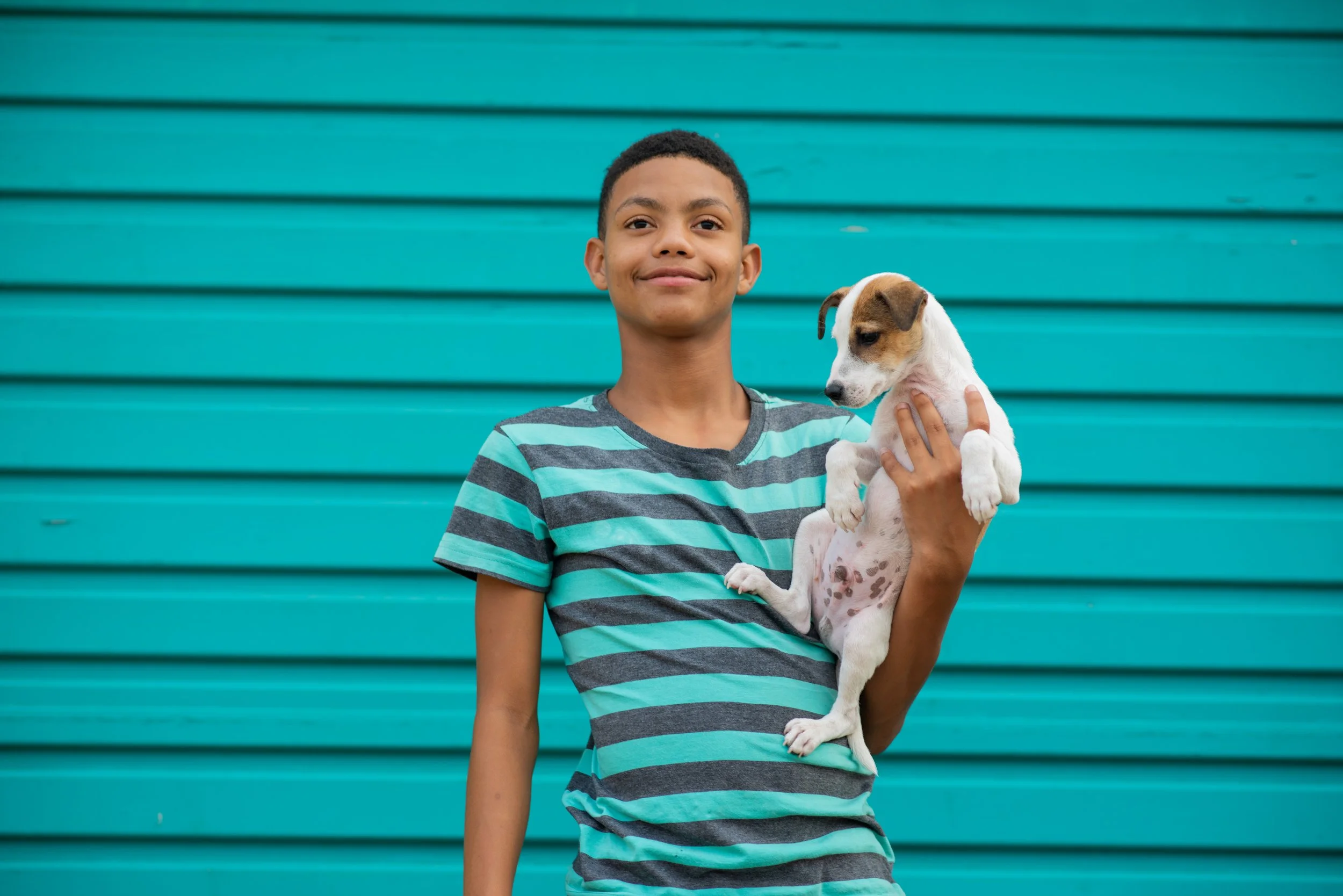
FAU receives grant to examine role of pet dogs on military adolescents
Florida Atlantic University Christine E. Lynn College of Nursing’s Canines Providing Assistance to Wounded Warriors (C-P.A.W.W.) has received a new grant from the Human Animal Bond Research Institute (HABRI) for research that investigates the contribution of pet dog ownership to resilience and well-being in adolescent children of military families.
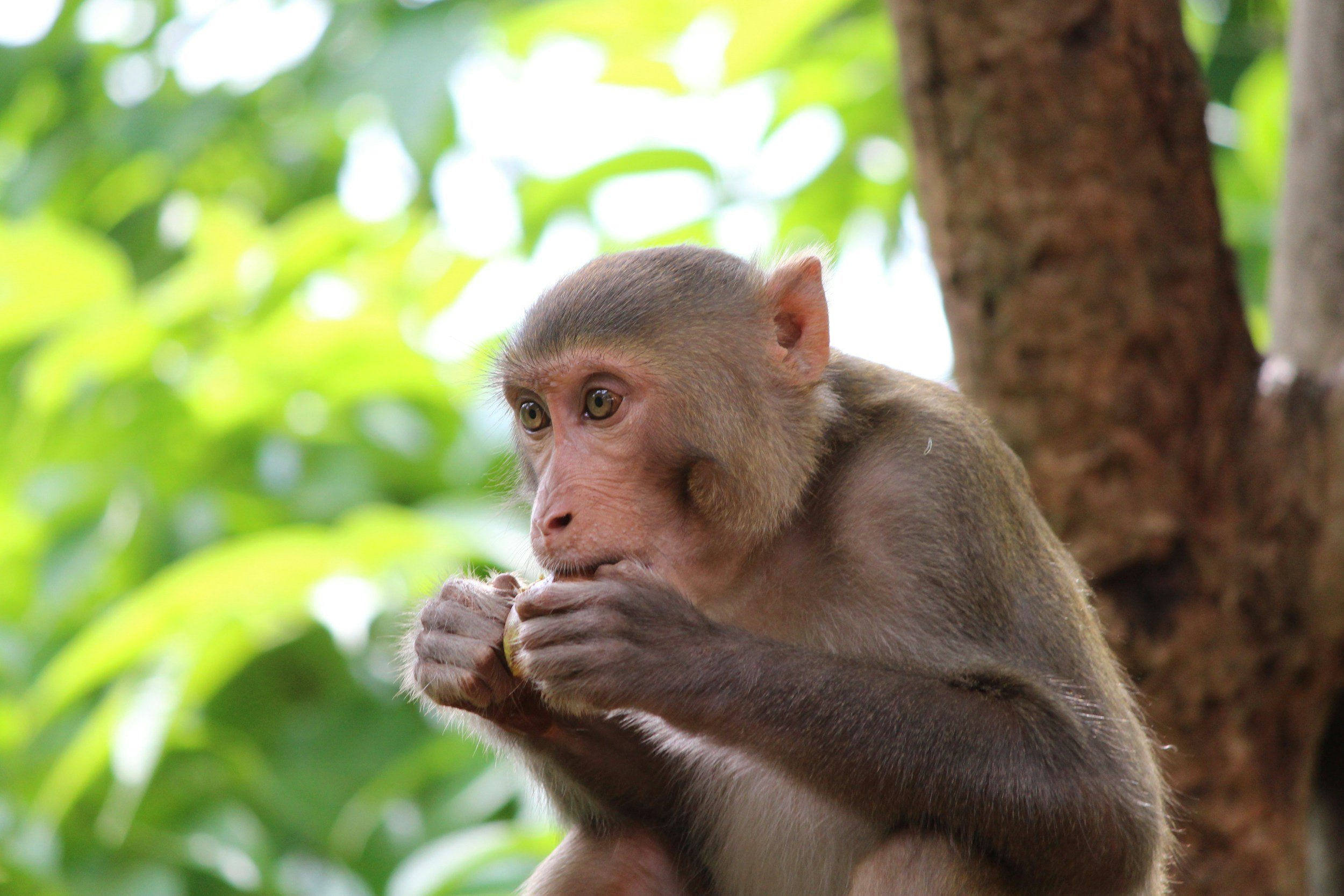
New research defines specific genomic changes associated with the transmissibility of the monkeypox virus
Mount Sinai scientists, in collaboration with researchers from the Carlos III Health Institute (ISCIII) in Madrid, Spain, have located and identified alterations in the monkeypox virus genome that potentially correlate with changes in the virus’s transmissibility observed in the 2022 outbreak. The findings were published April 18 in Nature Communications.
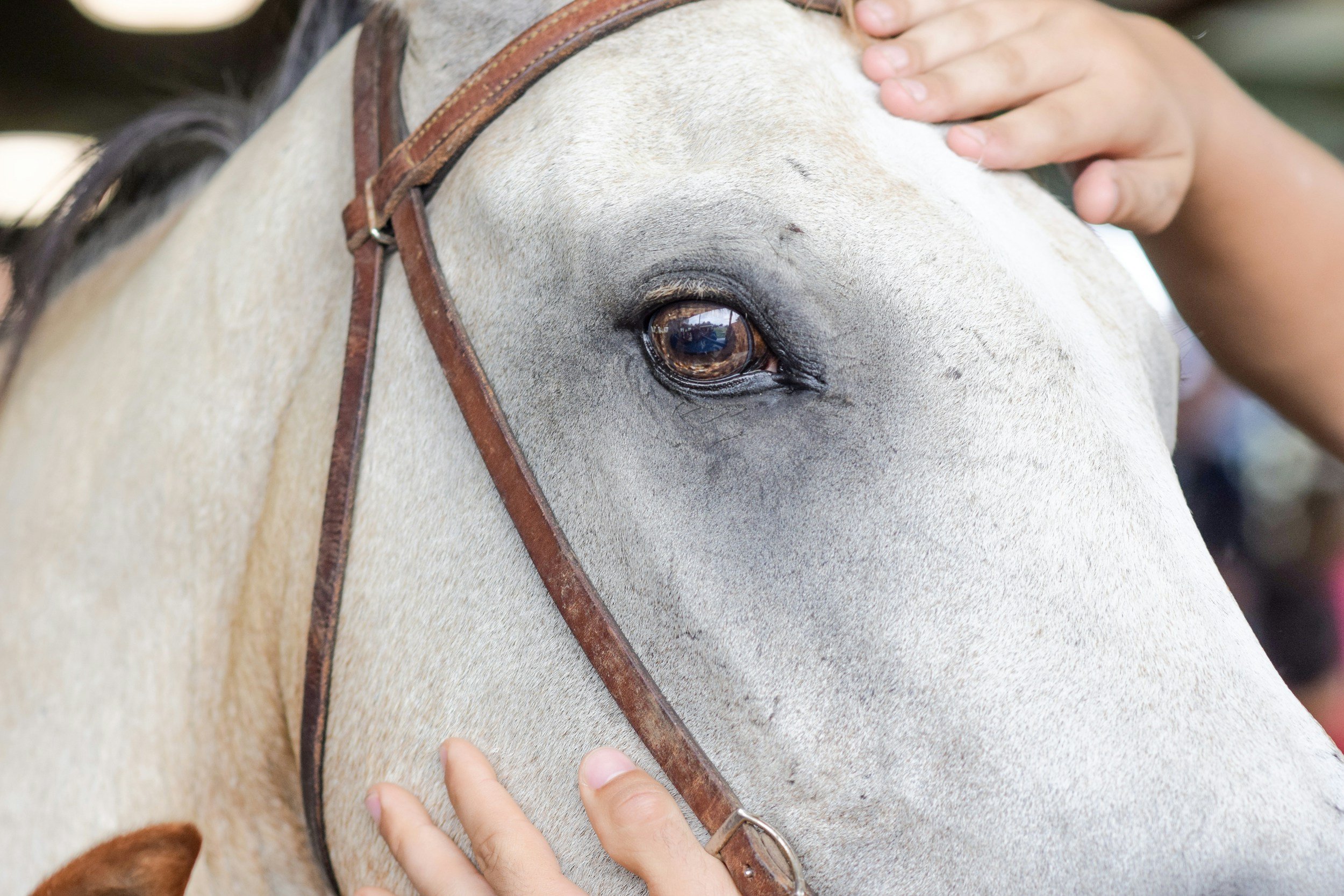
AI tool recognizes serious ocular disease in horses
Colloquially known as moon blindness, equine recurrent uveitis (ERU) is an inflammatory ocular disease in horses, which can lead to blindness or loss of the affected eye. It is one of the most common eye diseases in horses and has a major economic impact. Correct and swift diagnosis is very important to minimize lasting damage. A team led by Professor Anna May from the LMU Equine Clinic has developed and trained a deep learning tool that reliably recognizes the disease and can support veterinary doctors in the making of diagnoses, as the researchers report in a current study.
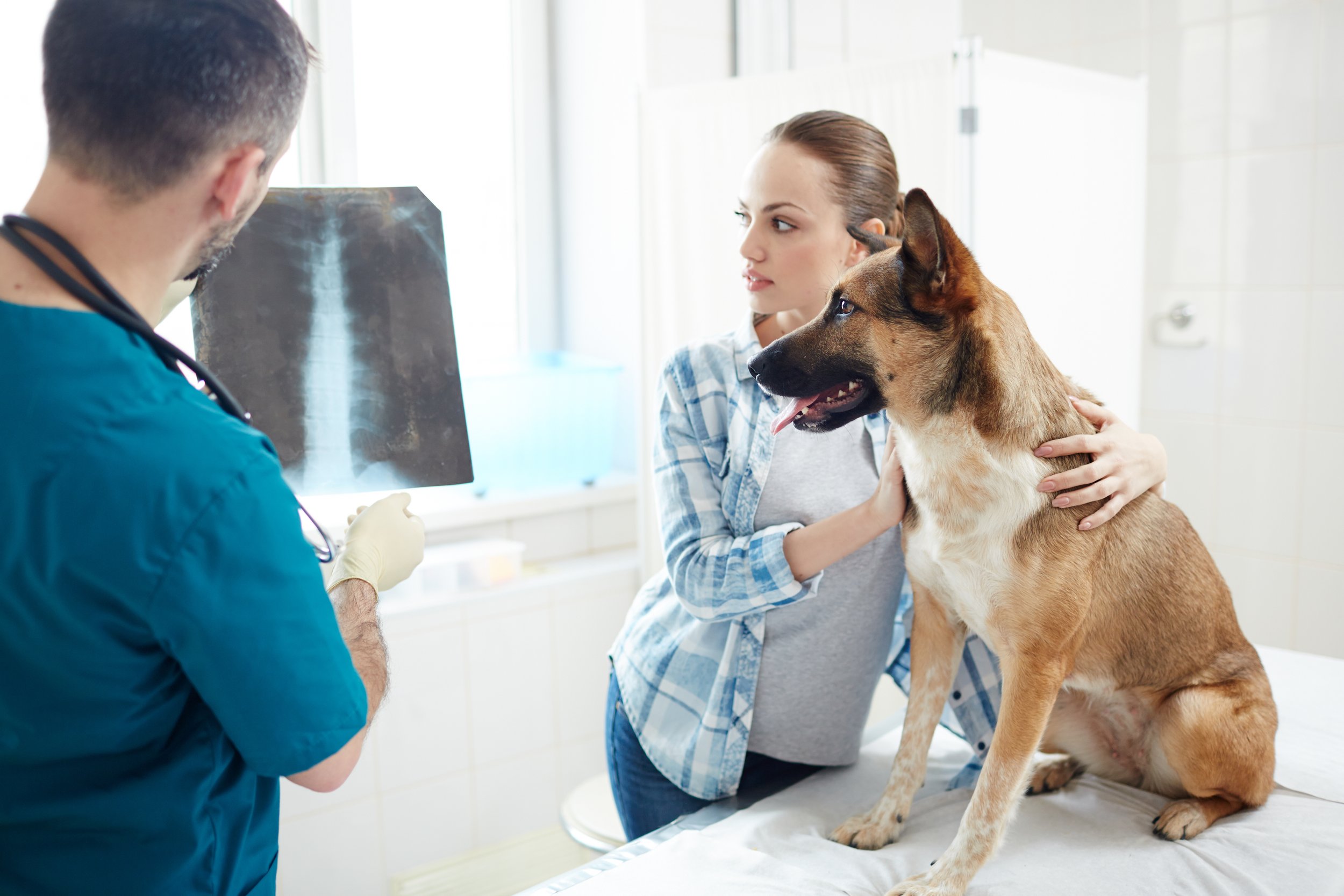
Structures of the hip joint in non-dysplastic and dysplastic dogs as confirmed by radiographic examination
Unraveling Canine Hip Dysplasia: Advanced Ultrasound Techniques for Diagnosis
Discover how cutting-edge ultrasound methods shed light on canine hip dysplasia (CHD). Learn about findings from recent research, including the association between muscle stiffness and CHD in young dogs, and the role of joint capsule thickness in diagnosis. Explore the potential of ultrasound as a non-invasive tool for enhanced CHD management.