


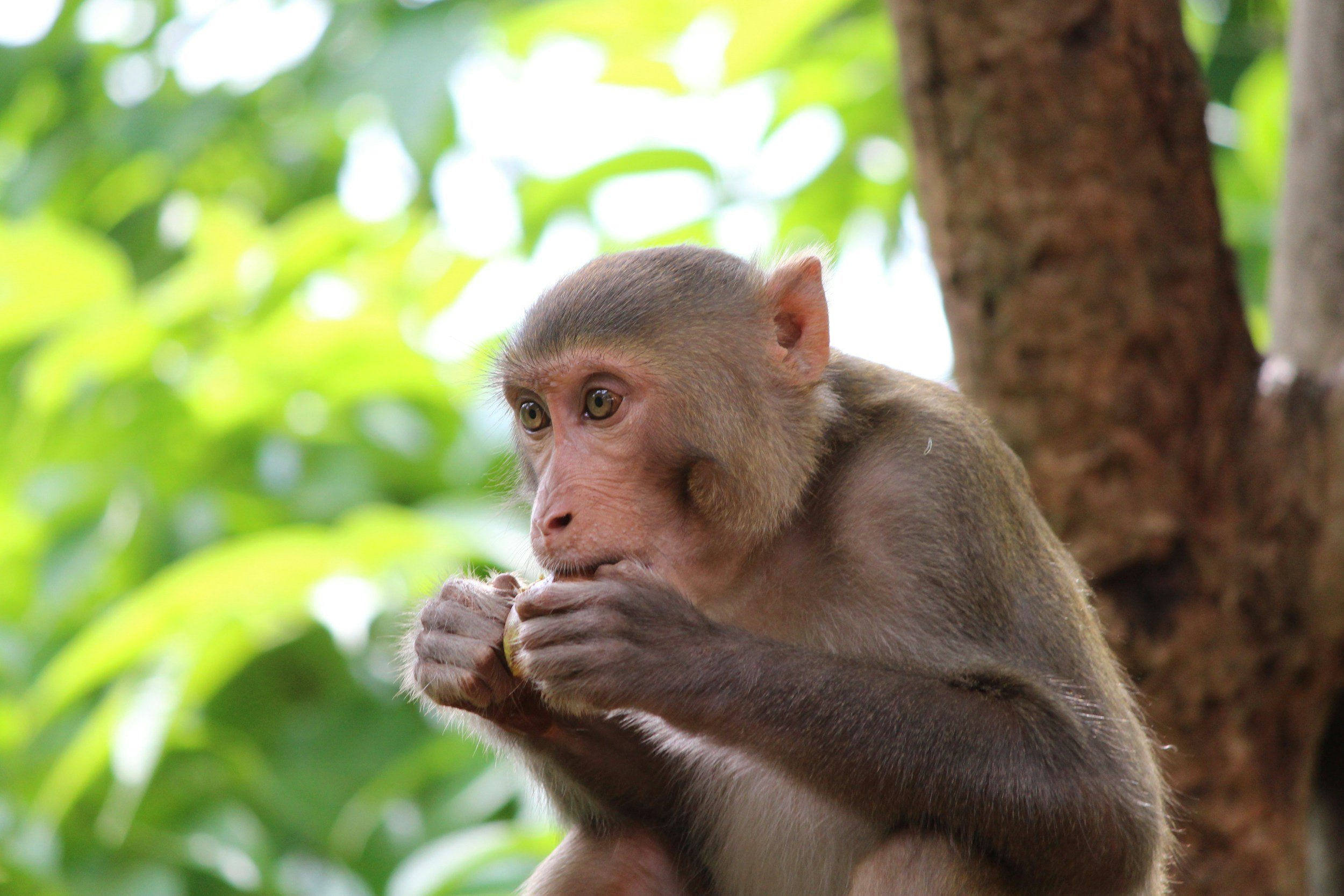
New research defines specific genomic changes associated with the transmissibility of the monkeypox virus
Mount Sinai scientists, in collaboration with researchers from the Carlos III Health Institute (ISCIII) in Madrid, Spain, have located and identified alterations in the monkeypox virus genome that potentially correlate with changes in the virus’s transmissibility observed in the 2022 outbreak. The findings were published April 18 in Nature Communications.
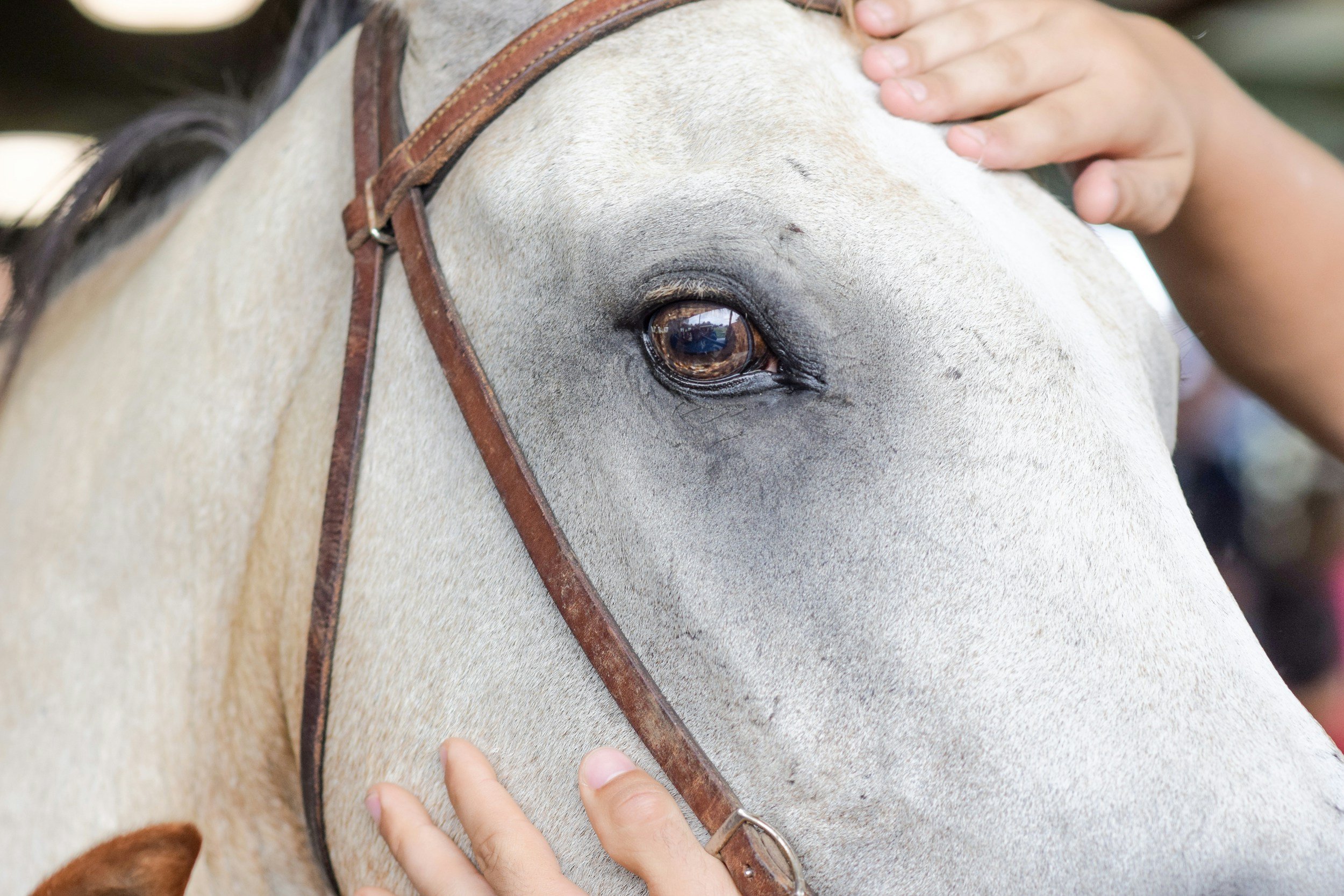
AI tool recognizes serious ocular disease in horses
Colloquially known as moon blindness, equine recurrent uveitis (ERU) is an inflammatory ocular disease in horses, which can lead to blindness or loss of the affected eye. It is one of the most common eye diseases in horses and has a major economic impact. Correct and swift diagnosis is very important to minimize lasting damage. A team led by Professor Anna May from the LMU Equine Clinic has developed and trained a deep learning tool that reliably recognizes the disease and can support veterinary doctors in the making of diagnoses, as the researchers report in a current study.
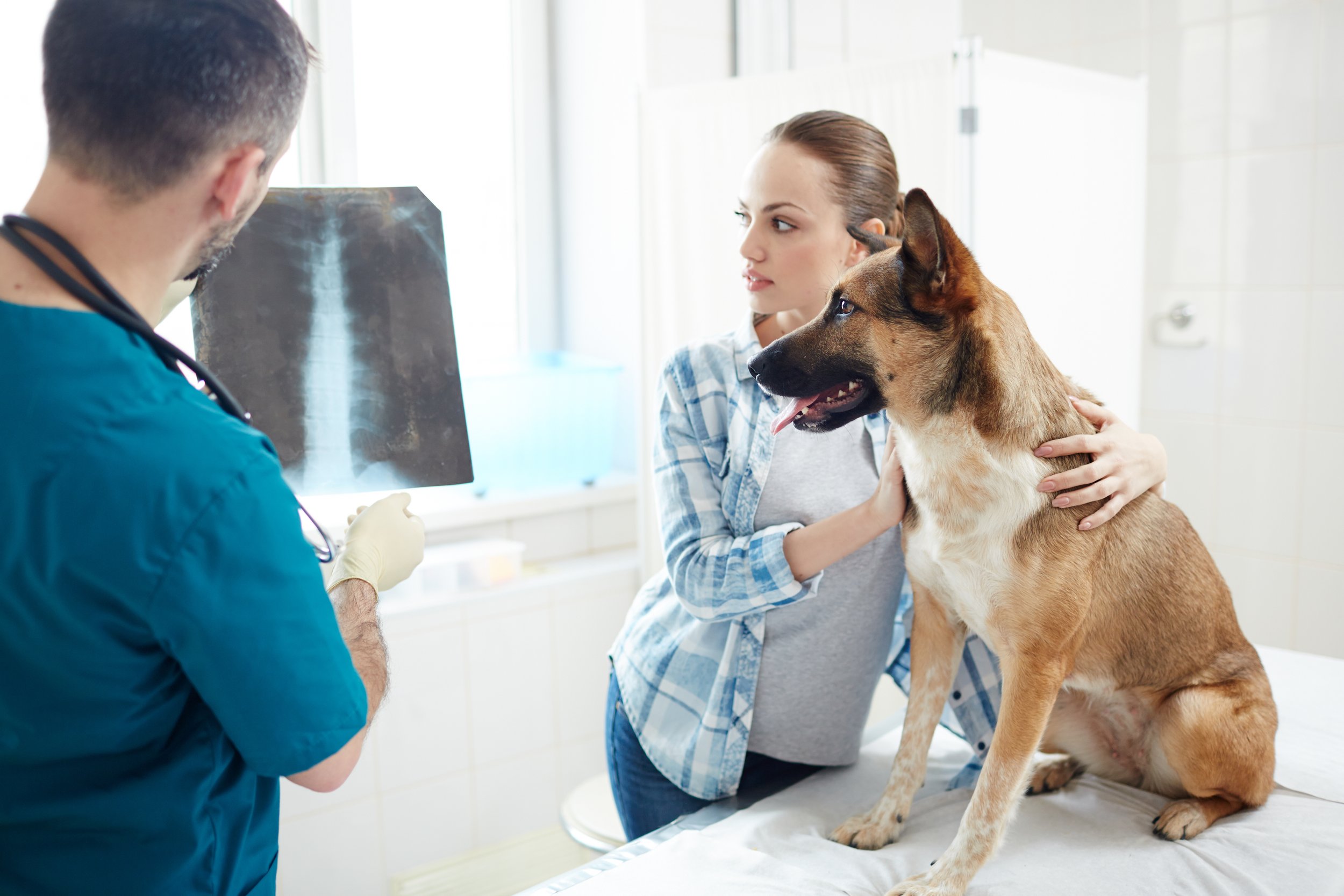
Structures of the hip joint in non-dysplastic and dysplastic dogs as confirmed by radiographic examination
Unraveling Canine Hip Dysplasia: Advanced Ultrasound Techniques for Diagnosis
Discover how cutting-edge ultrasound methods shed light on canine hip dysplasia (CHD). Learn about findings from recent research, including the association between muscle stiffness and CHD in young dogs, and the role of joint capsule thickness in diagnosis. Explore the potential of ultrasound as a non-invasive tool for enhanced CHD management.

Characterization of Grades for Hip Dysplasia in Five Dog Breeds
Explore the intricate world of canine diversity with our in-depth radiographic study, shedding light on breed-specific nuances in hip dysplasia (HD). Delve into the interplay between conformation and biomechanics across five diverse breeds, uncovering subtle variations that enrich our understanding of canine health. While standardized criteria remain paramount, our findings highlight the importance of embracing breed-specific differences in canine assessment. Join us on a journey through canine diversity and discover the hidden insights within each radiographic image.

Breed-specific evaluation of serum biochemical markers in canine hip dysplasia
A recent study explores the diagnostic potential of serum markers in distinguishing between healthy Tornjak dogs and those with hip dysplasia (CHD). Results reveal significant differences in hyaluronic acid (HA), procollagen II C-terminal propeptide (PIICP), and metalloproteinase 9 (MMP9) levels between the two groups. These findings suggest that serum markers could serve as effective diagnostic tools for CHD in Tornjak dogs, aiding veterinarians in early detection and informed breeding decisions. This breed-specific research contributes valuable insights into managing and mitigating the impact of CHD in dogs.
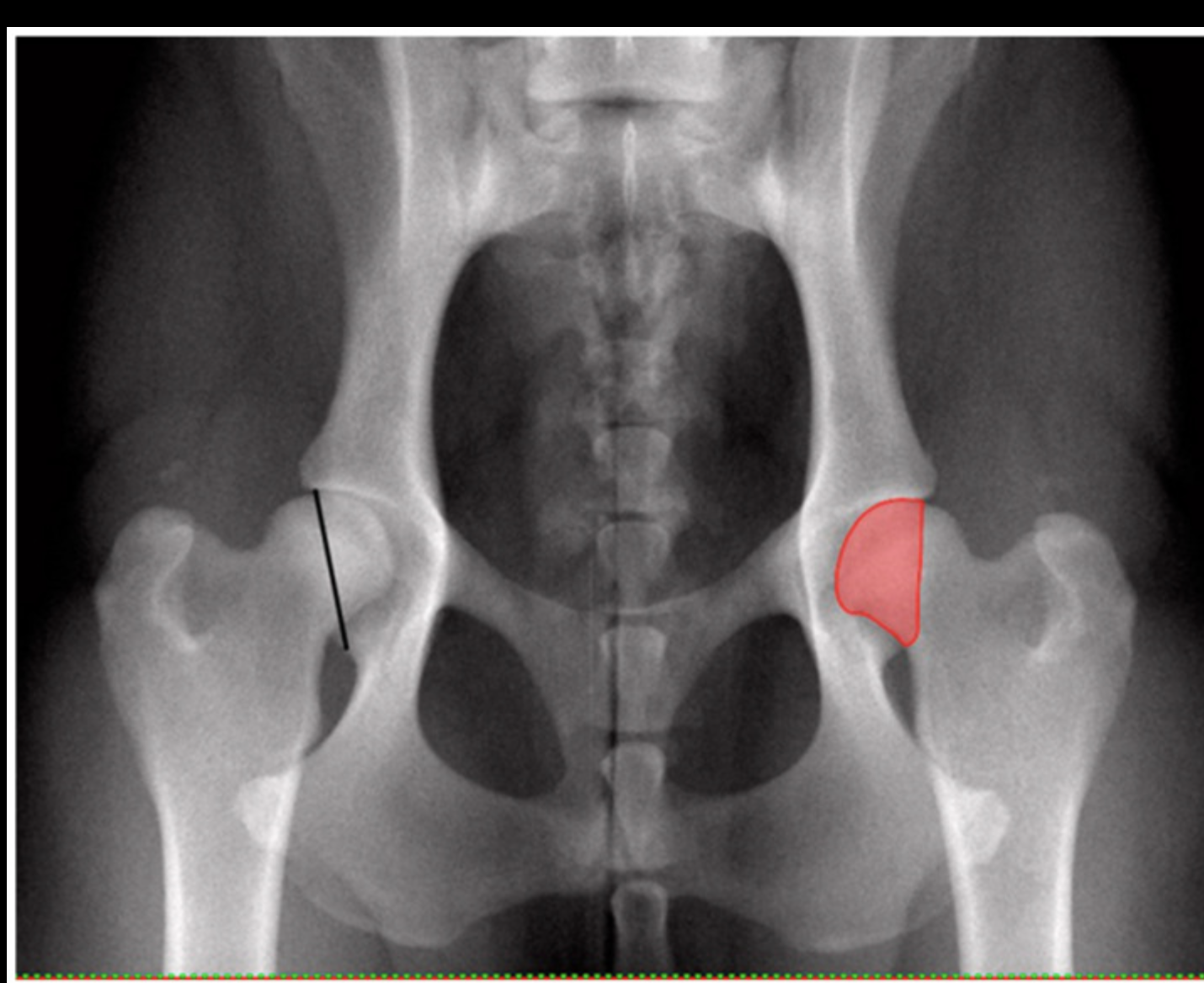
Investigating Radiographic Parameters for Canine Hip Dysplasia: A Breed-Specific Study
Photo credit: PMC This study examined radiographic parameters related to canine hip dysplasia (CHD) in 264 dogs of three breeds. Results showed breed-specific differences in femoral head area (FHA) and coverage of femoral head (CFH). FHA tended to decrease with worse CHD scores, but no significant correlation was found between FHA and dysplasia severity. CFH was significantly related to dysplasia status, with breed and sex influencing the relationship. The study highlights the importance of breed-specific considerations in CHD assessment.