


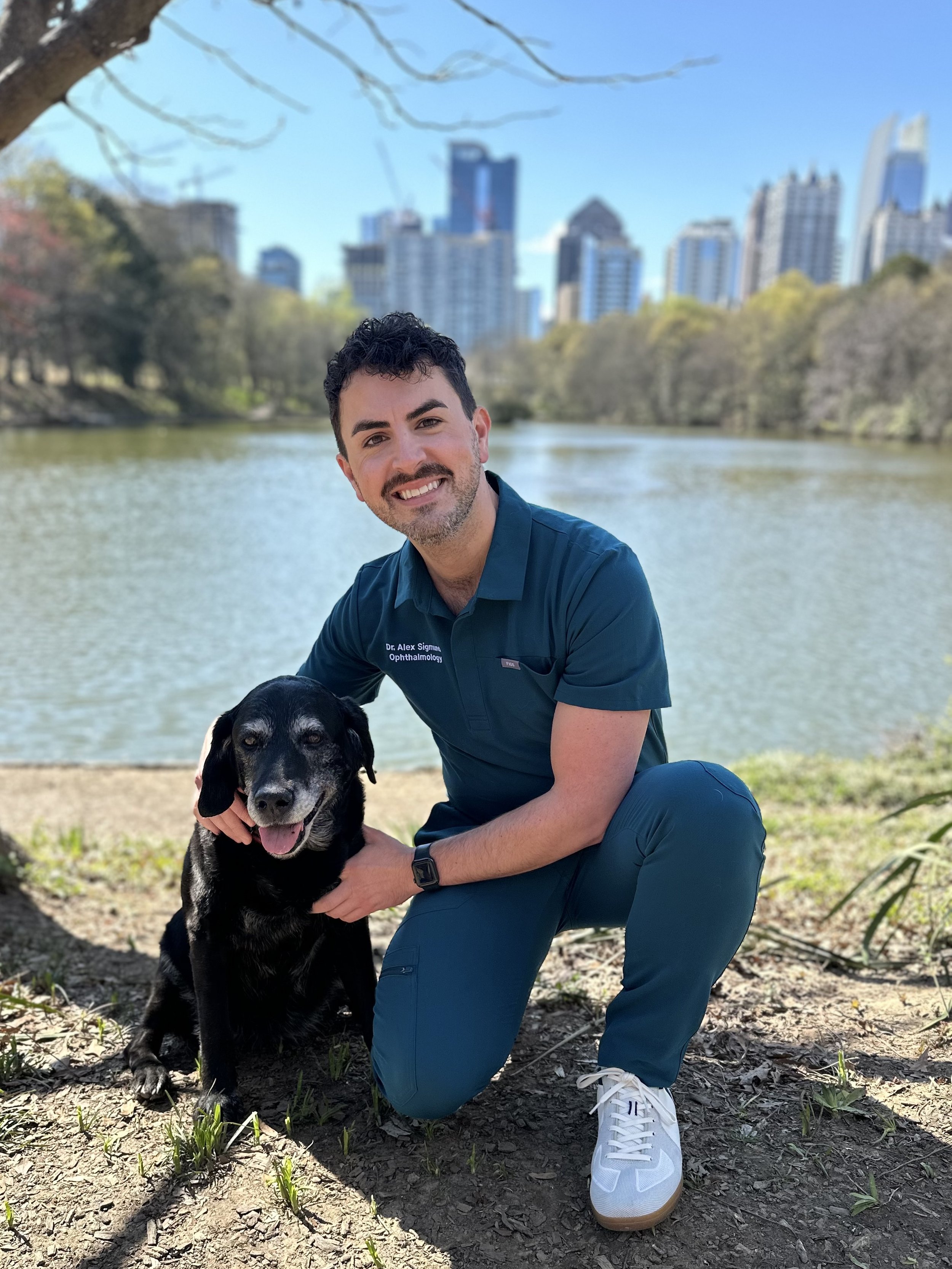
Unveiling the Visionary: Dr. Alex Sigmund's Journey from Baking Dreams to Healing Eyes
Step into the world of Dr. Alex, the pioneering veterinary ophthalmologist who's redefining animal care with passion, determination, and a sprinkle of baking dreams. Follow his captivating journey from corporate medicine to clinic ownership, and discover his commitment to education, advocacy, and conservation. Join us as we uncover the heartwarming story of a veterinarian on a mission to make a difference, one eye at a time.

New President of Rhode Island Veterinary Association Unveils Bold Plans to Tackle Pet Care Crisis!
In a stunning turn of events, Joyce Gifford, a seasoned veterinarian with three decades of service to Cumberland residents, has assumed the role of president of the Rhode Island Veterinary Medical Association (RIVMA). With her newfound position, Gifford is gearing up to revolutionize the veterinary landscape in Rhode Island and beyond.

Monster-Proof Your Job Search: Insider Tips to Spotting Toxic Bosses!
Embarking on a job search is an exciting yet daunting endeavor. As you navigate through the application process and attend interviews, one crucial aspect to consider is the character of your potential boss. While job titles and company perks may be enticing, working under a toxic or abusive manager can quickly turn your dream job into a nightmare. So, how can you ensure that your potential boss isn't a monster? Here are some strategies to help you make an informed decision:

Rabbit owners can recognize pain in their pets, study finds
Rabbits are popular family pets, with around 1.5 million* in the UK and it is important that owners can recognise when their animal is in pain, and know when to seek help to protect their rabbit’s welfare. New research by the University of Bristol Veterinary School has found the majority of rabbit owners could list signs of pain and could mostly identify pain-free rabbits and those in severe pain, but many lacked knowledge of the subtler sign of pain.
The study, published in BMC Veterinary Research today [27 March], provides the first insight into how rabbit owners identify pain and their general ability to apply this knowledge to detect pain accurately.

Dogs provide new insights into aging and cognition
The quest to understand intelligence and unravel the workings of the mind has always been considered the holy grail of natural sciences. While we're still uncovering many mysteries, animals can provide valuable insights into the origins and organisation of both mind and intellect. In their latest, study researchers at the Department of Ethology at Eötvös Loránd University (ELTE) discovered that dogs may possess a key component of intelligence known as the 'g factor'. Importantly, this factor shares many characteristics with its human counterpart, including its ageing patterns. These findings could bring us closer to understanding how dog (and human) cognition is organised, and how cognitive decline progresses with age.
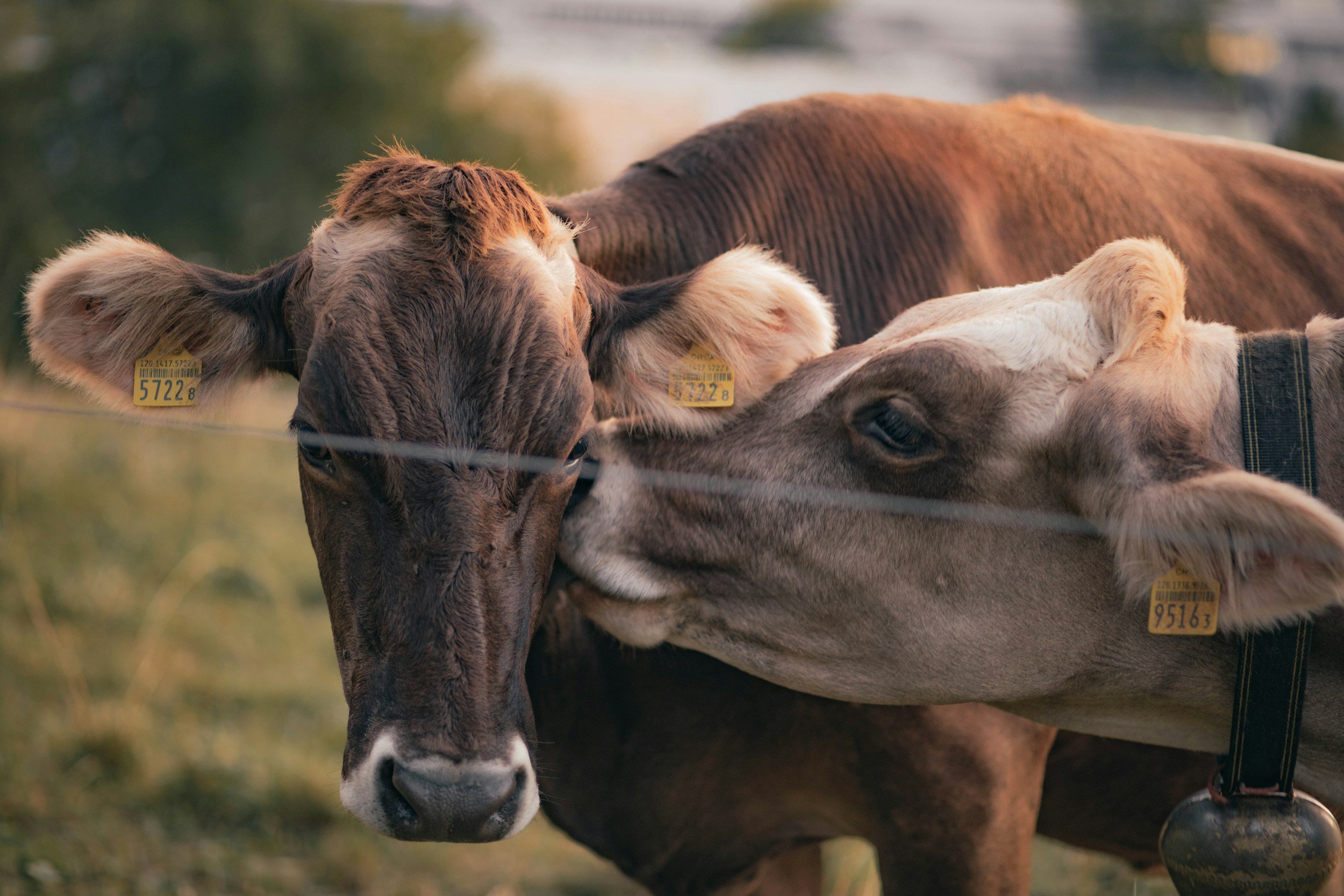
Breaking: Avian Influenza Strikes Dairy Cows Across America! What You Need to Know
Dr. Michael Payne, a researcher and outreach coordinator at the Western Institute of Food Safety and Security (WIFSS) a center within the University of California’s School of Veterinary Medicine, and the Director of the California Dairy Quality Assurance Program, an industry, academic regulatory partnership which promotes the health and welfare of livestock, provides insights into the behavior of the influenza virus: "Traditionally, mammals are considered dead-end hosts for the Influenza virus. While infected, mammals typically do not spread the virus to other animals. However, the recent cases in Michigan and Idaho suggest the possibility of lateral transmission between cows. Authorities are conducting extensive sampling and testing to confirm this."