



Rabbit owners can recognize pain in their pets, study finds
Rabbits are popular family pets, with around 1.5 million* in the UK and it is important that owners can recognise when their animal is in pain, and know when to seek help to protect their rabbit’s welfare. New research by the University of Bristol Veterinary School has found the majority of rabbit owners could list signs of pain and could mostly identify pain-free rabbits and those in severe pain, but many lacked knowledge of the subtler sign of pain.
The study, published in BMC Veterinary Research today [27 March], provides the first insight into how rabbit owners identify pain and their general ability to apply this knowledge to detect pain accurately.

Dogs provide new insights into aging and cognition
The quest to understand intelligence and unravel the workings of the mind has always been considered the holy grail of natural sciences. While we're still uncovering many mysteries, animals can provide valuable insights into the origins and organisation of both mind and intellect. In their latest, study researchers at the Department of Ethology at Eötvös Loránd University (ELTE) discovered that dogs may possess a key component of intelligence known as the 'g factor'. Importantly, this factor shares many characteristics with its human counterpart, including its ageing patterns. These findings could bring us closer to understanding how dog (and human) cognition is organised, and how cognitive decline progresses with age.
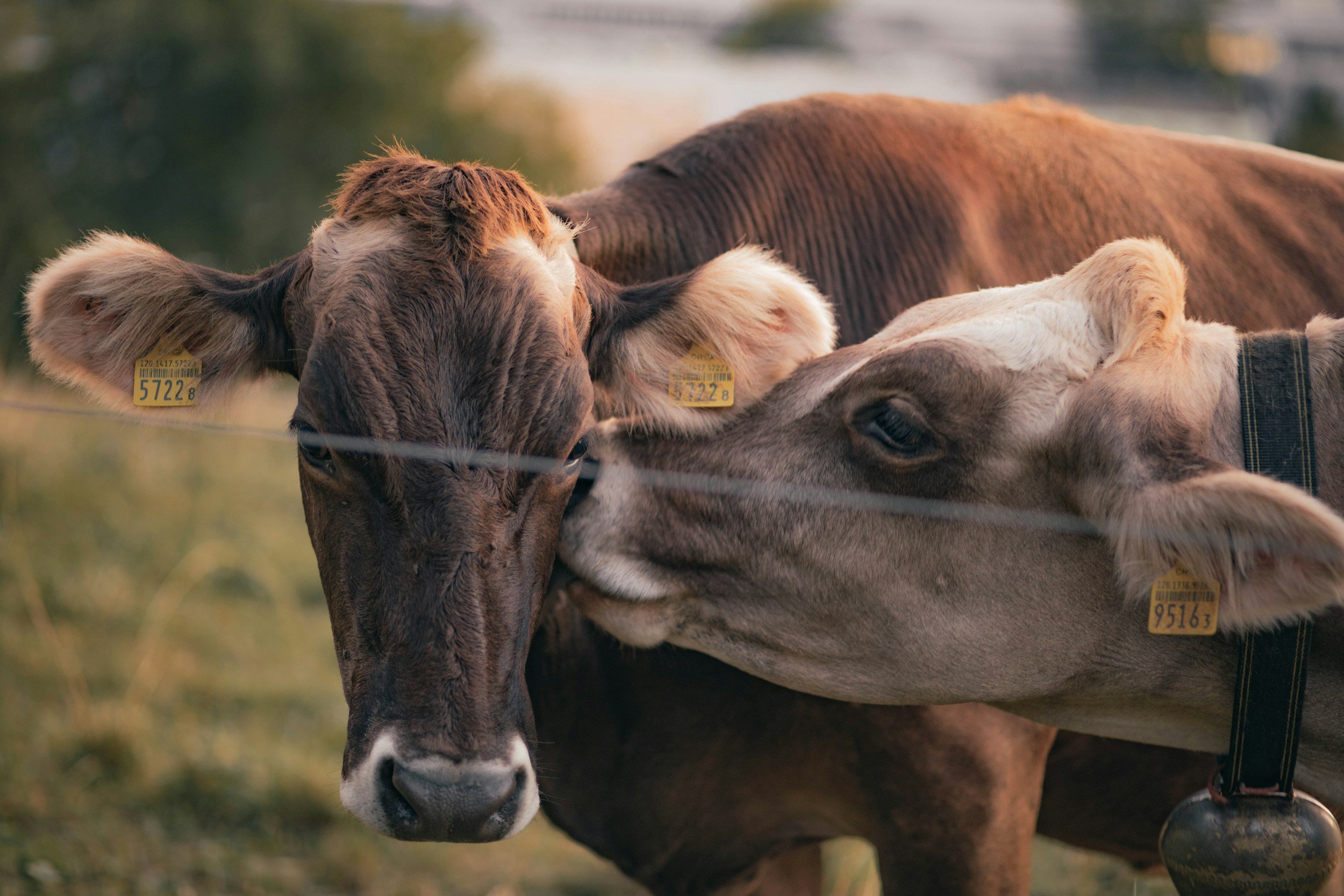
Breaking: Avian Influenza Strikes Dairy Cows Across America! What You Need to Know
Dr. Michael Payne, a researcher and outreach coordinator at the Western Institute of Food Safety and Security (WIFSS) a center within the University of California’s School of Veterinary Medicine, and the Director of the California Dairy Quality Assurance Program, an industry, academic regulatory partnership which promotes the health and welfare of livestock, provides insights into the behavior of the influenza virus: "Traditionally, mammals are considered dead-end hosts for the Influenza virus. While infected, mammals typically do not spread the virus to other animals. However, the recent cases in Michigan and Idaho suggest the possibility of lateral transmission between cows. Authorities are conducting extensive sampling and testing to confirm this."

From Trailblazer to Legacy: The Untold Story of Dr. Jane Wardrop, Changing the Face of Veterinary Medicine!
In a world where glass ceilings were the norm, Dr. Jane Wardrop shattered expectations with a fierce determination that defied gender norms and propelled her to greatness.

Advancing Ocular Care: Purdue Engineers Develop Smart Soft Contact Lenses for Chronic Disease Management
Purdue University's College of Engineering has embarked on a groundbreaking endeavor to enhance ocular health with the development of specialized smart soft contact lenses. These lenses aim to revolutionize the management of chronic ocular diseases such as glaucoma, corneal neovascularization, and dry eye syndromes. Spearheaded by Dr. Chi Hwan Lee, an expert in StickTronics and wearable biomedical devices, the research teams have secured two grants totaling $6.7 million from the National Eye Institute (NEI).
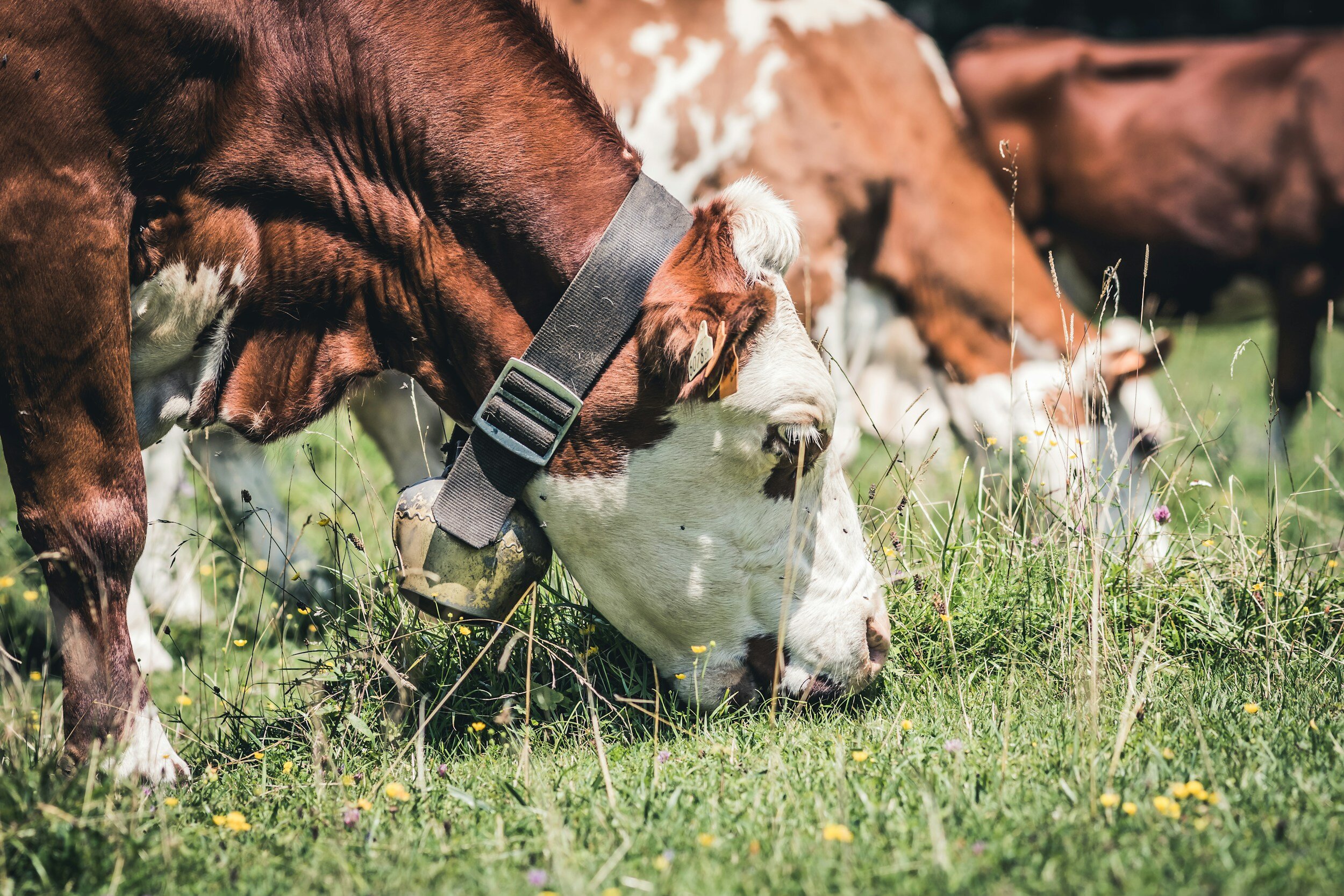
Understanding cattle grazing personalities may foster sustainable rangelands
Not all cattle are the same when it comes to grazing. Some like to wander while others prefer to stay close to water and rest areas.
Recognizing those personality differences could help ranchers select herds that best meet grazing needs on rangelands, leading to better animal health and environmental conditions, according to a new paper from the University of California, Davis, published in the journal Applied Animal Behaviour Science.
“Cattle can actually be beneficial for the rangelands,” said lead author Maggie Creamer, who recently earned her Ph.D. in animal behavior at UC Davis. “Vegetation in rangelands actually need these kinds of disturbances like grazing.”
Ranchers can add elements to the ra