


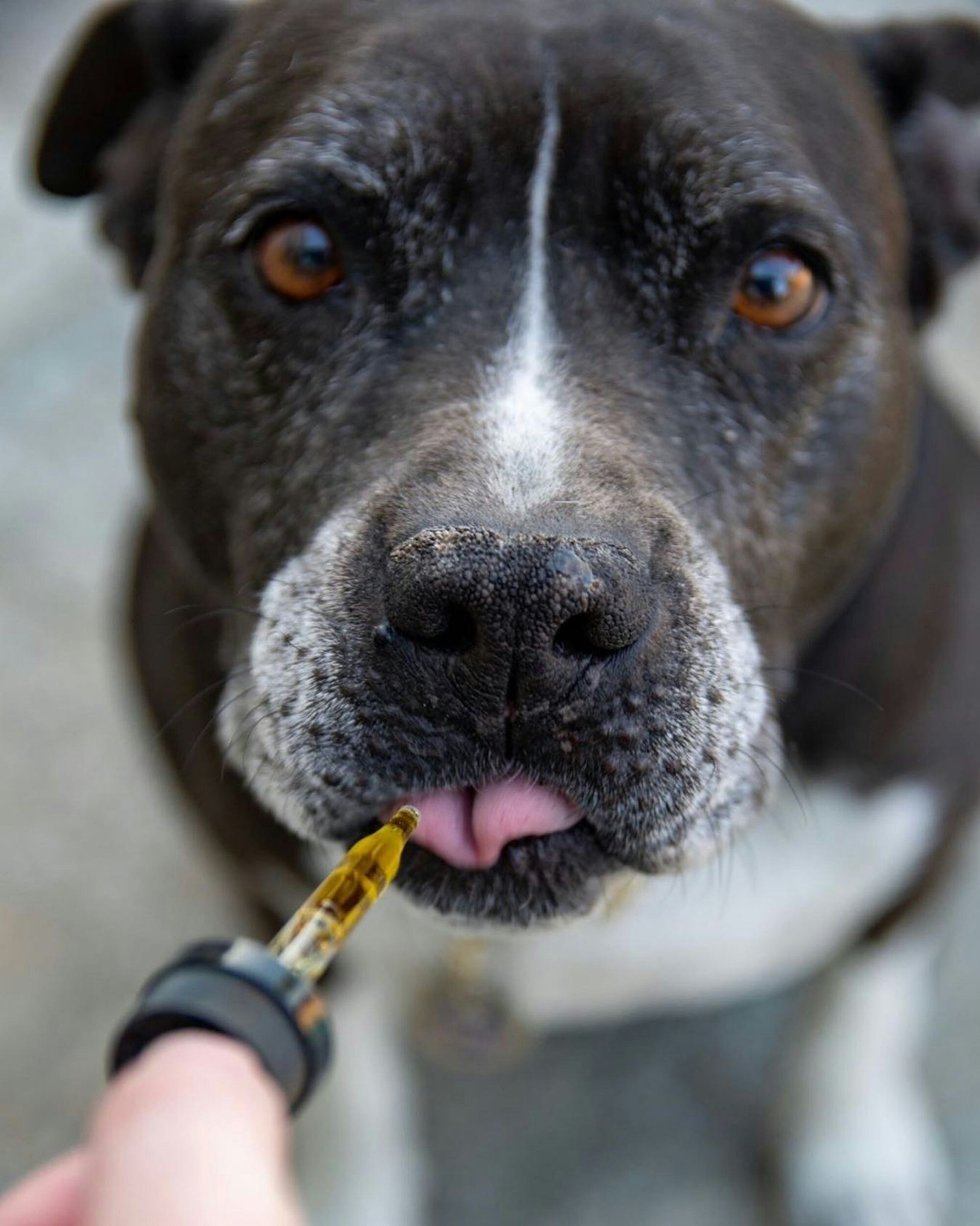
Is CBD the Secret to Calming Your Dog? New Study Reveals Surprising Effects
The study involved ten healthy dogs, aged between 4 to 7 years, who underwent two separate trials: one with a daily dose of CBD oil (2.0 mg/kg) and another with olive oil as a placebo, each over a two-week period. The focus was on a behavior that tugs at every pet owner's heartstrings—vocalization, or the increase in barks and whines, when these loyal companions find themselves alone.

Tiny Pups, Big Problems: Shocking Link Between Toy-Breed Dogs and Risky Health Issues Uncovered
Toy-breed dogs, beloved for their diminutive size and charming personalities, are facing a hidden health crisis, a recent study reveals. Atlanto-axial instability, a condition often seen in these pint-sized pets, not only poses a direct threat but also makes them more susceptible to a range of other serious health issues.

Revealing the Truth: Can Cats Safely Use CBD Longterm? New Study Shocks Veterinarians!
A groundbreaking series of studies aimed to fill this void, focusing on the long-term effects of administering a THC-free CBD distillate to clinically healthy cats. Conducted with rigorous standards, these randomized, blinded, and placebo-controlled trials were designed to unveil the truth about CBD's suitability and tolerance in cats over an extended period.
Veterinarians Discover Game-Changing Technique for Treating Dog Eye Problems
In the world of veterinary medicine, a groundbreaking approach is revolutionizing the way eye surgeries are performed on our furry friends. Hydrodissection, a technique that involves the injection of liquid to assist in surgical procedures, is making waves, particularly in the treatment of corneal ulcers in dogs. This innovative method is not widely used in animal eye surgeries, making its potential benefits even more exciting for veterinarians and pet owners alike. Read full article: https://www.ncbi.nlm.nih.gov/pmc/articles/PMC10844789/

Texas A&M researchers studying reproductive abnormalities that cause sterility in horses
Researchers at the Texas A&M School of Veterinary Medicine & Biomedical Sciences (VMBS) have received a $640,000 grant from the United States Department of Agriculture (USDA) to study abnormalities in sex development that affect the reproductive capabilities of some horses.
The new project will examine a diverse group of about 100 sterile horses, including those whose chromosomes don’t match their sex based on the presence of their reproductive organs.
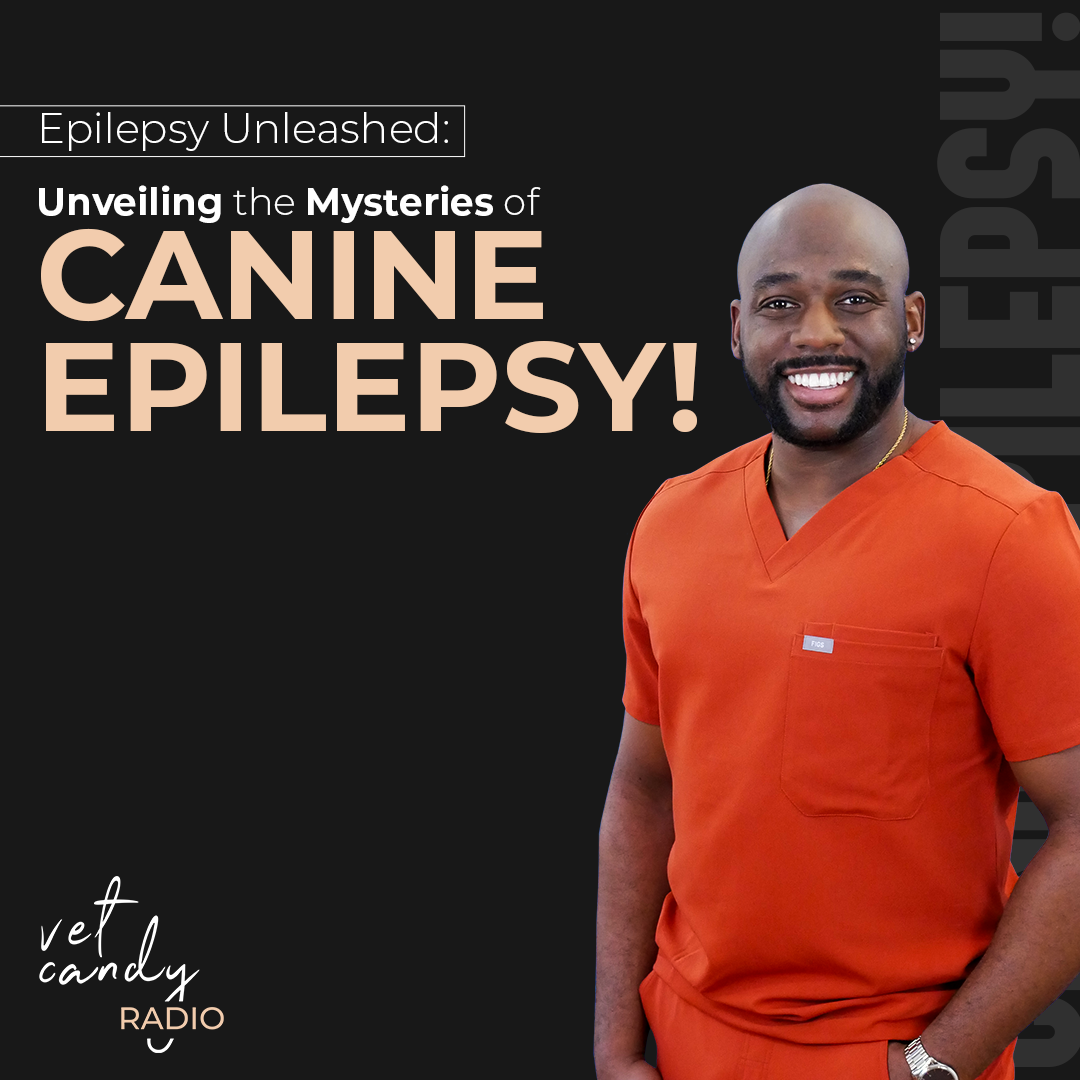
Unraveling the Mystery of Canine Epilepsy: A Deep Dive into the World's Most Common Neurological Disorder in Dogs
A spotlight on a pioneering study from the University of Guelph introduces us to the forefront of epilepsy research. The study examines the use of questionnaires, electroencephalography (EEG), and actigraphy in studying canine epilepsy and behavior. While questionnaires capture subjective observations from caregivers, EEG provides objective data on brain activity, and actigraphy offers insights into movement and behavior patterns. Together, these tools present a promising integrated approach that could revolutionize our understanding and management of canine epilepsy by blending caregiver insights with objective data.