



Revolutionary Breakthrough: Kansas State Professors Invent Groundbreaking Pain Relief Drug for Dogs
A team of four innovative professors at Kansas State University has achieved a remarkable milestone in veterinary medicine. Their development of a new drug designed to alleviate pain in dogs has not only received a patent but promises to transform how canine discomfort is managed. The collaborative effort of Butch KuKanich, professor of pharmacology; Kate KuKanich, a professor of small animal internal medicine; David Rankin, a clinical professor and head of veterinary anesthesiology; and Charles Locuson, director of drug metabolism and pharmacokinetics or DMPK, in conjunction with Agios Pharmaceuticals, has led to this groundbreaking advancement.

Trust in Tatters: Veterinarians Among the Few Trusted Professions in Latest Ethics Poll
In a time when Americans' faith in various professions seems to be dwindling, veterinarians emerge as one of the few careers still holding a majority's trust, according to Gallup's 2023 Honesty and Ethics poll. This comprehensive survey, measuring the public's perception of honesty and ethical standards across 23 professions, reveals a general decline in trust levels compared to previous years, with only a handful of professions, including veterinarians, maintaining significant public confidence.

Dream Big and Achieve Faster: U. of Illinois Unveils Game-Changing Program for Aspiring Vet Techs!
At the University of Illinois Urbana-Champaign, a pioneering partnership is transforming the aspirations of students into reality. Majoring in animal sciences, these students are now on a fast track to their dream careers, thanks to a groundbreaking collaboration between the Department of Animal Sciences at U. of I. and Parkland College. This unique program allows students to earn both their bachelor’s degrees and veterinary technology degrees in an accelerated timeframe of just five years – a game-changer for those eager to dive into animal-related careers without pursuing a traditional veterinary school route.
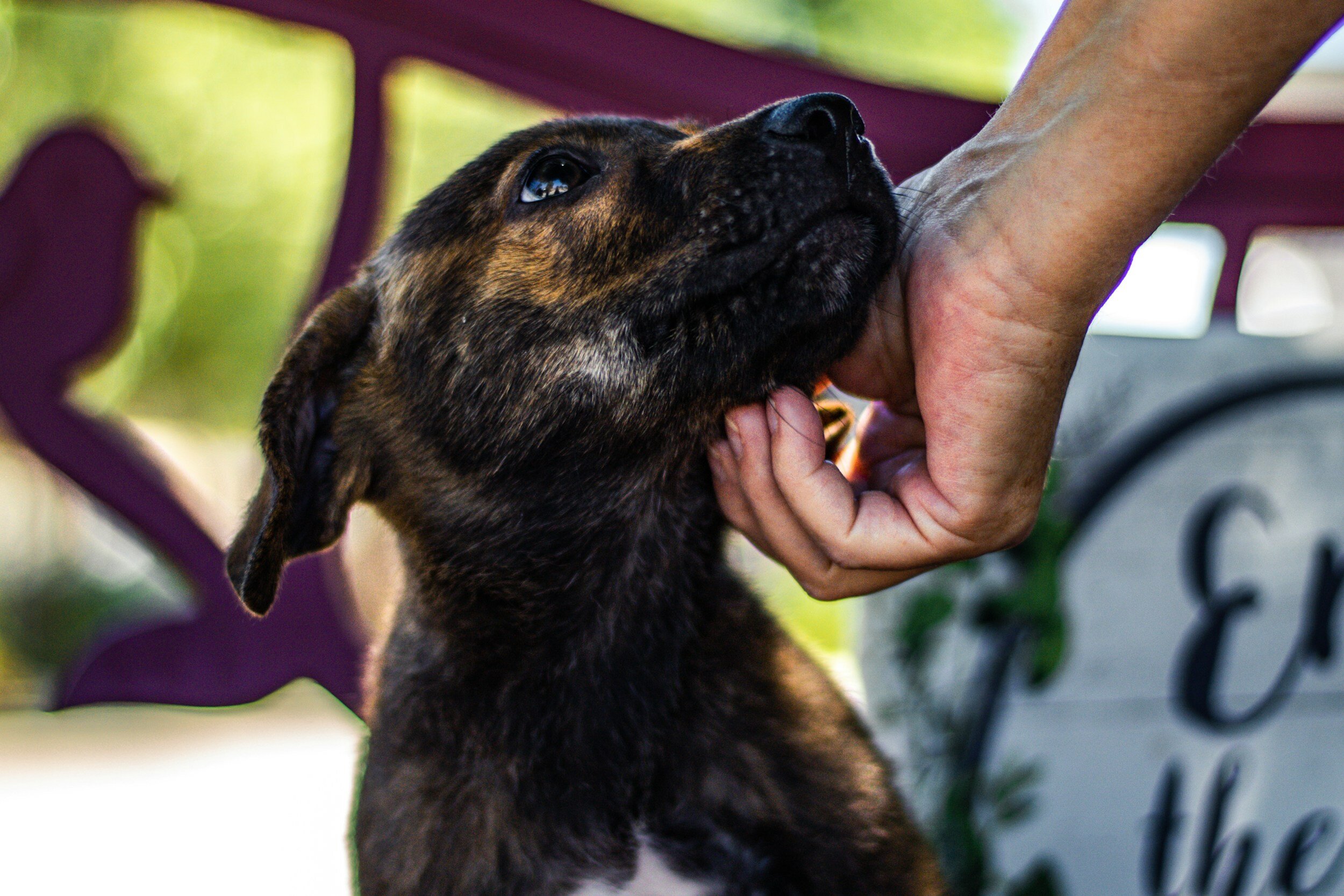
Veterinary Crisis! Iowa Clinic Overwhelmed by Stray Animals and Financial Strain
At Lake Animal Hospital in Storm Lake, Iowa, a critical situation is unfolding. The clinic, doubling as an informal area shelter, is buckling under the pressure of caring for an increasing number of strays, to the point of risking financial insolvency.
The severity of the problem was highlighted by the clinic's office manager, Charlee Hinds, in a desperate Facebook post on January 18, stating the clinic's inability to take in more animals. With every kennel occupied by nine dogs and six cats, and a noticeable surplus of large homeless dogs, the situation is dire. The clamor of these animals in the metal and concrete confines of the clinic is a testament to their distress.

Shocking Truth Behind Veterinarians' Struggle: The Hidden Emotional Toll in Equine Medicine Unveiled!
In the specialized field of equine veterinary medicine, practitioners frequently encounter a specific form of stress known as moral distress. This particular type of stress emerges when veterinarians find themselves in situations where their actions are constrained, preventing them from following their ethical beliefs and judgments. This critical issue was at the heart of an insightful presentation given by Liz Arbittier, VMD, CVA, and Page Buck, PhD, LCSW, during the 2023 American Association of Equine Practitioners Convention. Arbittier and Buck shed light on the fact that moral distress in this field often springs from a variety of complex and challenging situations. These include the management of laminitis, cases where financial constraints lead to euthanasia, concerns about the well-being of clients, the ethical dilemmas associated with the over-treatment of performance horses, and issues surrounding rider safety.
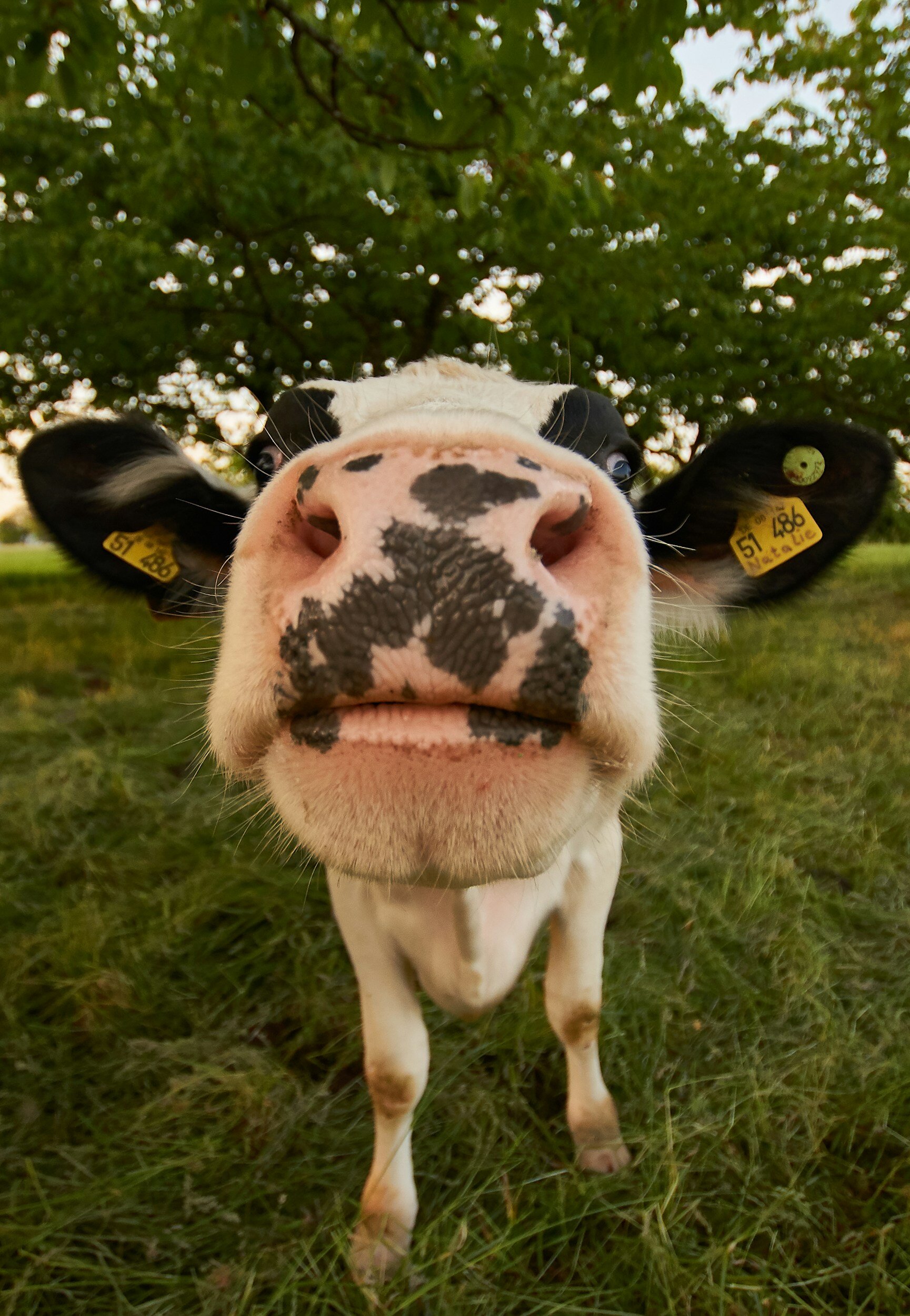
What if cows could talk?
You may not know it, but cows share information every time they burp, moo, and chew that speaks volumes about their health and welfare.
Through the work of researchers in Virginia Tech’s College of Agriculture and Life Sciences, we may soon know more about what cows are “telling” us and be able to use that information to improve their well-being.