


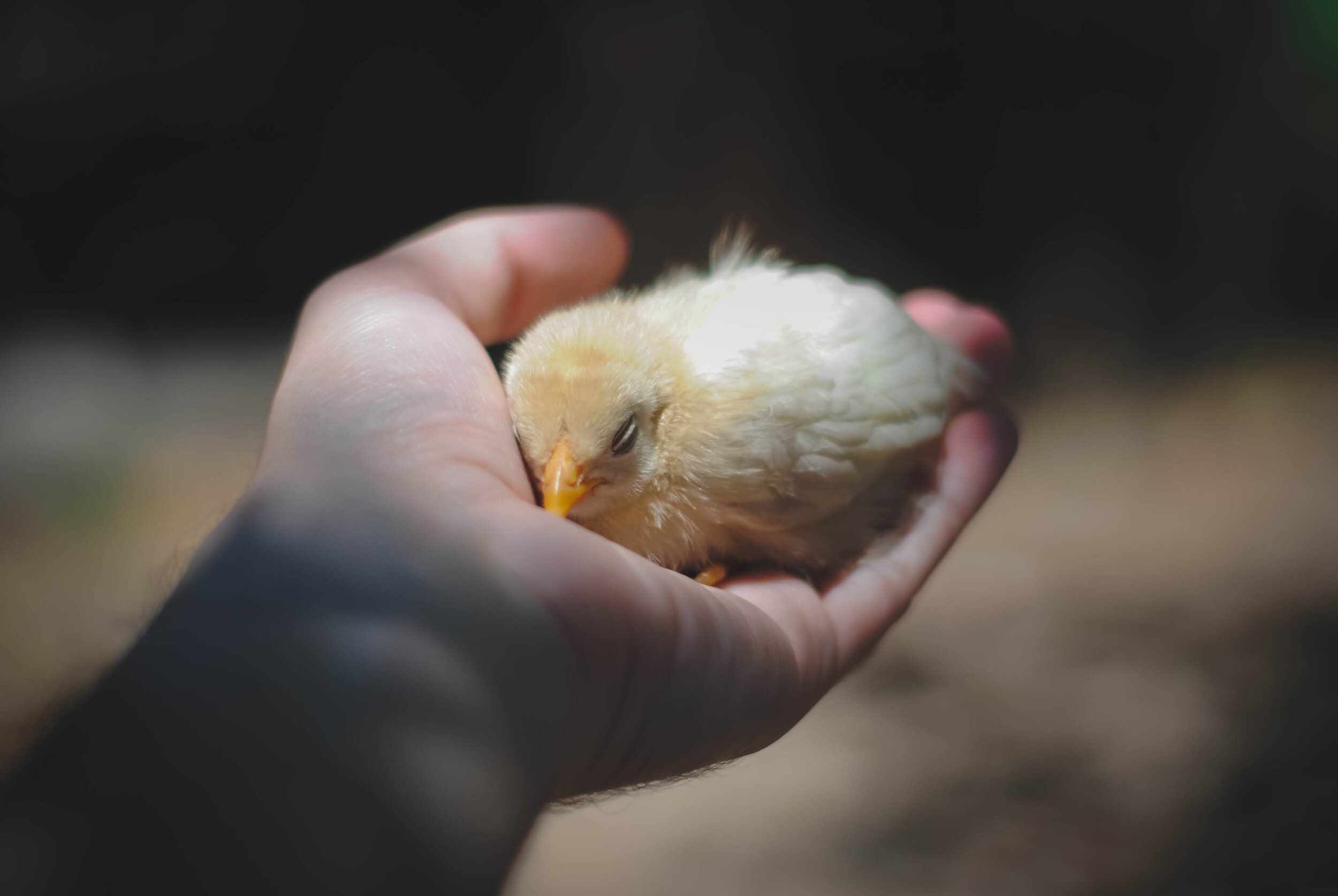
Deadly chicken disease: ancient DNA reveals evolution of virulent Marek’s disease
A notifiable animal disease in many countries, Marek’s disease is caused by the globally distributed Marek’s disease virus (MDV). Over the past century, the virus, which causes tumors in chickens and has a high mortality rate, has become increasingly aggressive. Combating the disease costs the poultry industry over a billion dollars every year. With the help of ancient DNA, an international team of scientists led by LMU paleogenomicist Professor Laurent Frantz and Professor Greger Larson and Professor Adrian Smith from the University of Oxford has now decoded the evolution of MDV and shed light on what is behind the growing virulence.

Widespread population collapse of African Raptors
An international team of researchers has found that Africa’s birds of prey are facing an extinction crisis.
The report, co-led by researchers from the School of Biology at the University of St Andrews and The Peregrine Fund, and published in the journal Nature Ecology & Evolution (4 January 2024), warns of declines among nearly 90% of 42 species examined, and suggests that more than two-thirds may qualify as globally threatened.
How much does biodiversity loss contribute to the spread of new infectious diseases?
Researchers widely agree that loss of biodiversity due to factors such as human interference with ecosystems contributes to the transmission of pathogens from animals to humans, which is known as a zoonosis. But how large is this effect? Quantifying this phenomenon is the goal of an international team of researchers headed by Charité – Universitätsmedizin Berlin. The researchers hope their findings will contribute to identifying an elevated risk of emerging zoonoses early on. Their newly launched project, titled “Zoonosis Emergence across Degraded and Restored Forest Ecosystems” (ZOE), is receiving about four million euros in funding from the European Commission for a period of four years.
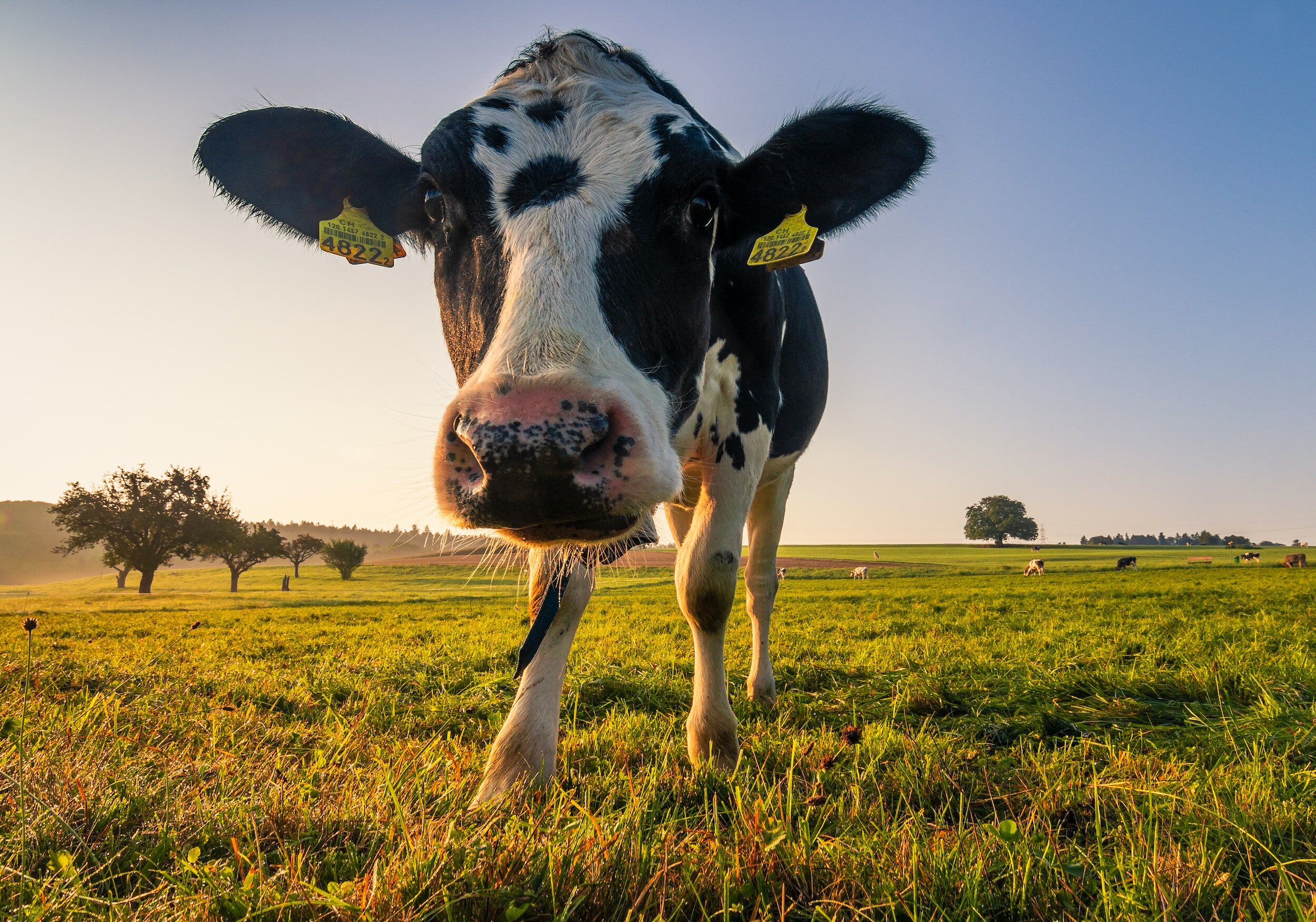
Socialization for success: Two recent studies expand our understanding of how early social housing helps dairy calves thrive
Dairy industry professionals continuously work to ensure the highest possible welfare for dairy calves, including fine-tuning their housing to improve overall health, well-being, and performance. Two new studies in JDS Communications are illuminating our understanding of paired housing in the critical newborn and pre-weaned stages of dairy lives by showing that housing designed to facilitate early socialization can build behavior skills, shape calf personalities, and ultimately, set up animals for success in the herd.
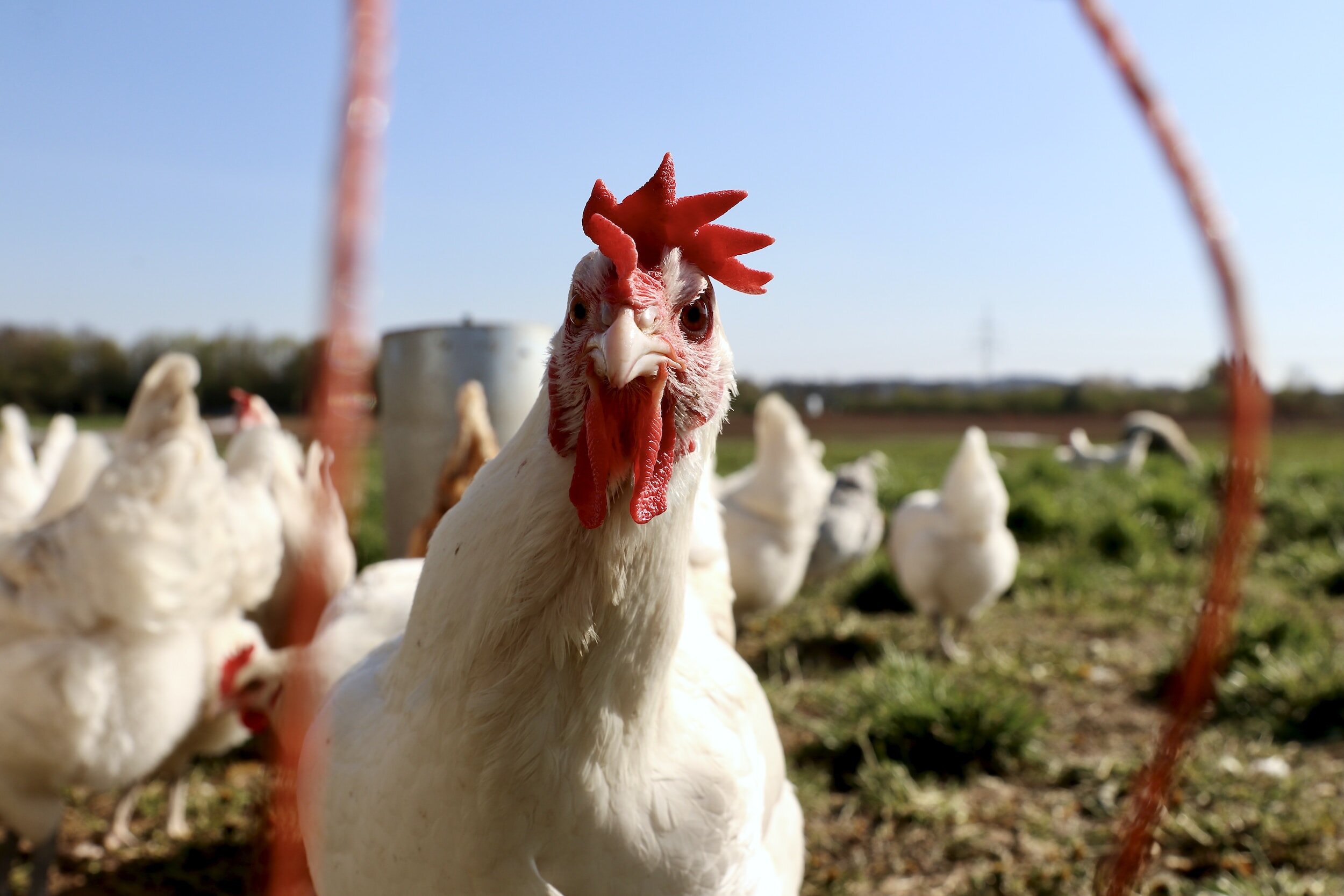
Chicken whisperers: humans crack the clucking code
A University of Queensland-led study has found humans can tell if chickens are excited or displeased, just by the sound of their clucks.
African One Health network launched to prevent disease
The targeted involvement of local, regional and national stakeholders from the participating countries in the network over the entire project period (2023 to 2027) is intended to enhance their technical expertise and thus increase the efficiency of the network as a whole. “We involve policy-makers and other key stakeholders in the ministries of health and other institutions in the network countries in our work. This is how we hope to achieve the project’s objectives,” explains Abd El Wahed.