


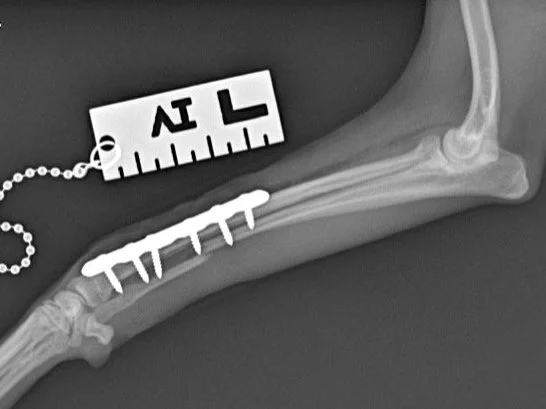
Unleashing the Power of Surgical Locking Plates
Over the past decade or so, locking plates have gained tremendous popularity amongst veterinary surgeons. Locking plates are great, but there is also a lot of confusion and misconception around their proper use, which can lead to unnecessary and avoidable complications for the patient. A proper foundation in the biomechanics of both non-locking (compression) and locking plates is critical to their correct use. In this article, we will discuss an overview of the biomechanics of how these plate systems work, as well as give some examples of their uses.

Breathing Life into Veterinary Stories: The Trudell AeroVet Chambers Case Story Contest
Calling all veterinary professionals! It's time to share the tales of your furry patients' respiratory journeys in the Trudell AeroVet Chambers Case Story Contest. This exciting contest not only provides a platform for showcasing your expertise but also offers a chance to win fantastic prizes, including gift cards valued at $100, $250, and $500!
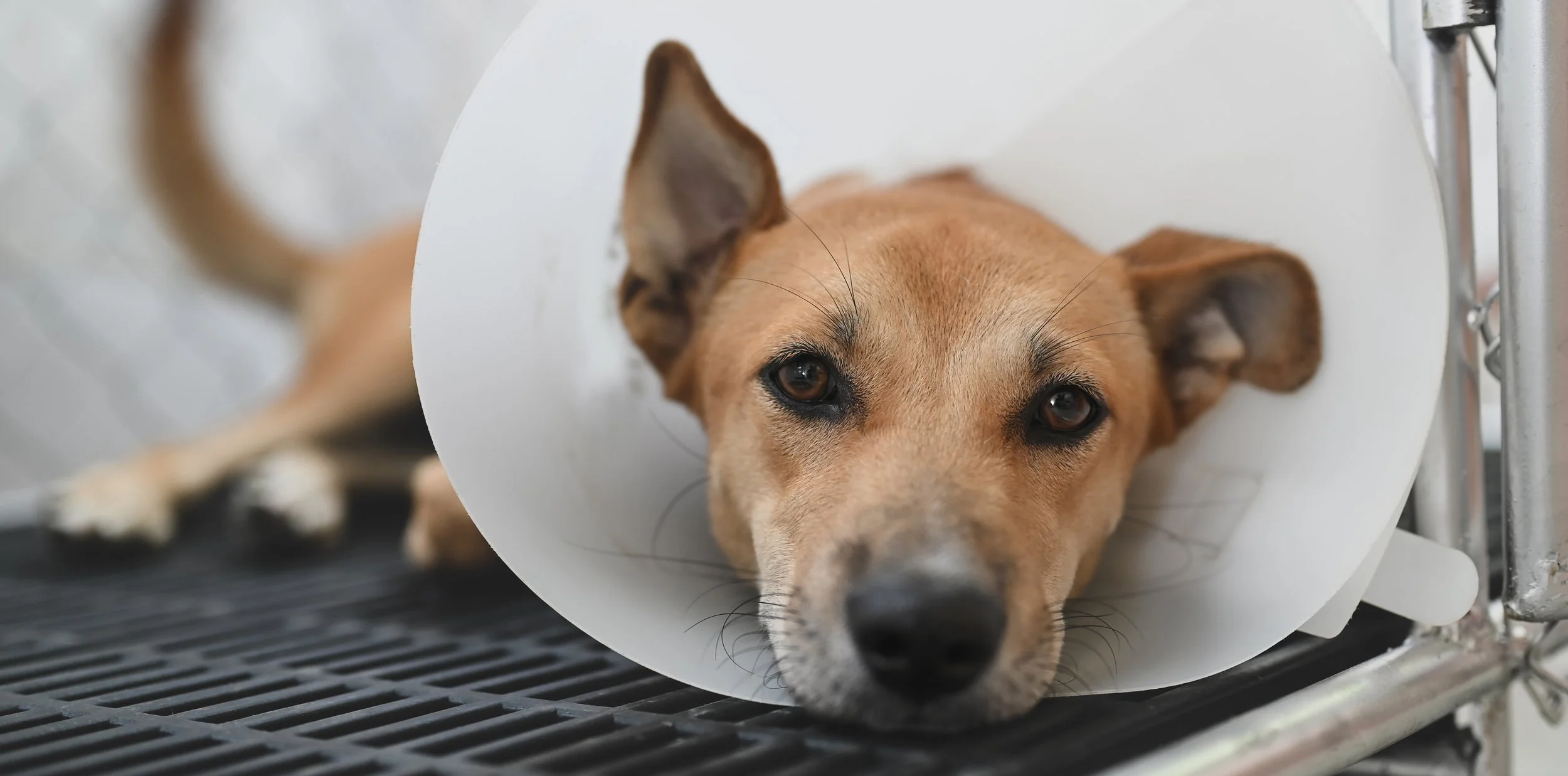
The Evolution of Implants in Veterinary Orthopedics
The first use of orthopedic implants in veterinary medicine is not well documented. Significant development of veterinary specific implants began in the mid-20th century. With the increased value placed on companion animals and the growth of veterinary medicine as a profession, more attention was given to treating musculoskeletal issues in animals. This led to the introduction of orthopedic implants specifically designed for animals. This timeframe mirrors a time of large growth in the field of human orthopedics, particularly after World War II, where there were rapid advancements in surgical techniques and implant technology. These advancements eventually began to influence veterinary medicine. Prior to this, veterinary medicine focused on treating infections and disease with surgery being rare and limited to simple procedures with much of the focus being on horses rather than what we consider our pets or companion animals today.
On a mission for the next-generation load-bearing implants
In International Journal of Extreme Manufacturing, Prof. Amit Bandyopadhyay's team proposed a simple yet very effective solution to this problem. They suggested fortifying titanium (Ti) implants with 3 wt.% copper (Cu) via multi-material additive manufacturing, which not only inherently protects the implant against bacterial infection but also enhances biocompatibility by adding tantalum (Ta) to facilitate early-stage osseointegration.

World Food Program USA and the Zoetis Foundation: Advancing Climate Resiliency to Support Thriving Farmer Livelihoods
Farmers worldwide play a fundamental role in ensuring food security, bolstering economies and helping advance sustainable agricultural practices. As we confront challenges related to climate change and meet rising food and nutrition needs, it’s critical to understand how improved animal health and productivity can help enhance farmer livelihoods and contribute to achieving climate goals

Holiday Pet Spending Trends: A Deep Dive
The holiday season is synonymous with joy, festivities, and, for many, the spirit of giving extends to our beloved furry companions. In a trend that reflects the evolving dynamics of pet ownership, millennials, dubbed the "fur-baby-boom generation," are emerging as key players in the world of pet companionship. Surpassing other generations, 33% of U.S. households with pets are millennials, as revealed by the latest American Pet Products Association (APPA) National Pet Owners Survey.