


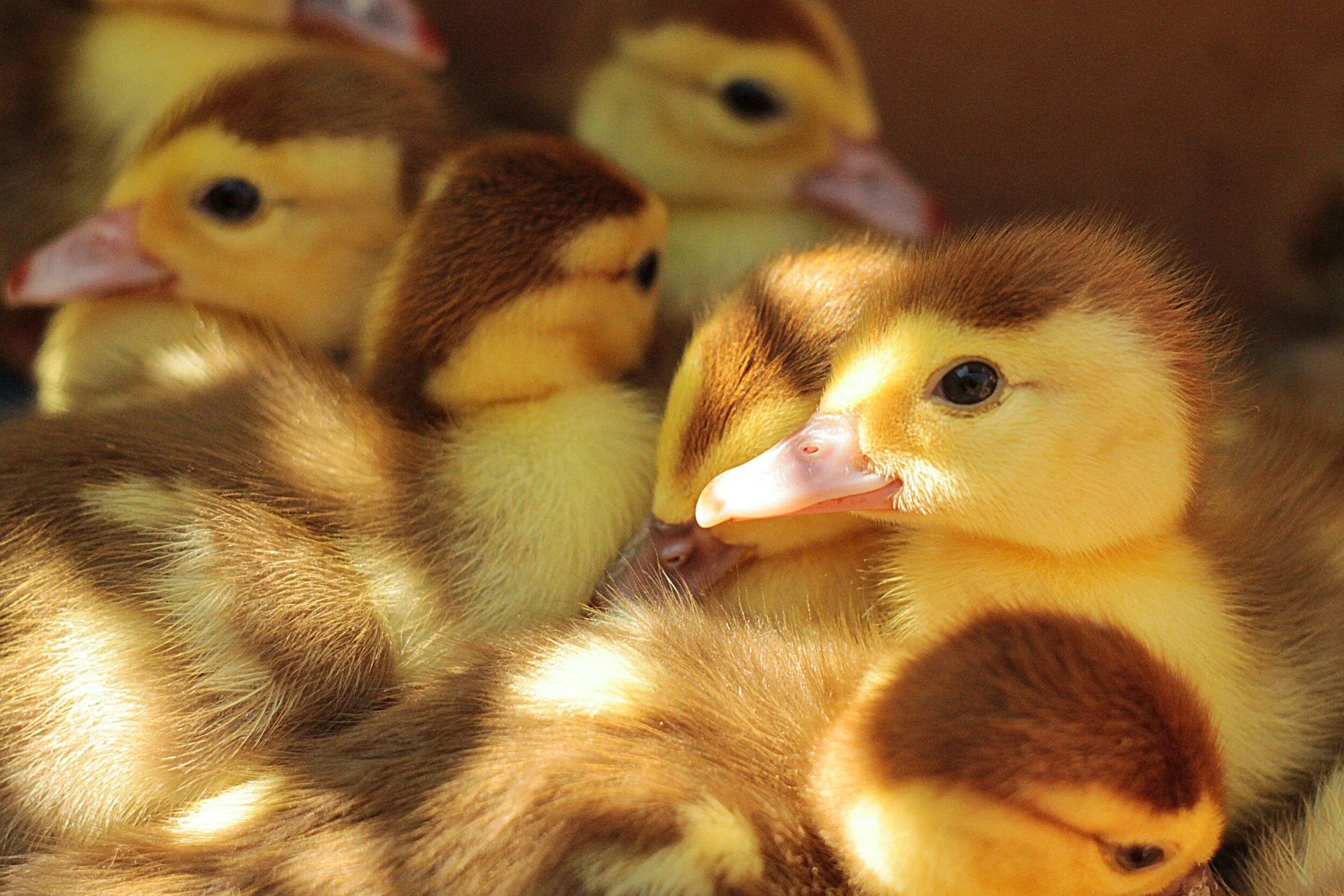
Highly Pathogenic Avian Influenza Confirmed in Commercial Duck Flock in Georgia
The Georgia Department of Agriculture and USDA’s Animal and Plant Health Inspection Service (APHIS) announced a commercial Duck breeding operation located in Sumter County, Georgia, has tested positive for Highly Pathogenic Avian Influenza (HPAI). This is the first confirmation of HPAI in a commercial waterfowl flock in Georgia. Avian influenza does not pose a risk to the food supply, and no affected animals entered the food chain. The risk of human infection with avian influenza during poultry outbreaks is very low.

World Small Animal Veterinary Association Appoints New Team
New Chairs Announced for WSAVA Clinical Committees
The World Small Animal Veterinary Association (WSAVA) has appointed its first Chief Learning and Development Officer (CLDO) to spearhead its efforts to bring high quality, accessible and topical continuing education (CE) to its global membership. It has also announced new chairs for two of its clinical committees. Comprised of experts from around the world, the WSAVA’s 12 clinical committees each focus on a specific area of companion animal practice, creating WSAVA Global Guidelines and other educational resources in support of the WSAVA’s goal to set global standards for companion animal veterinary practice.
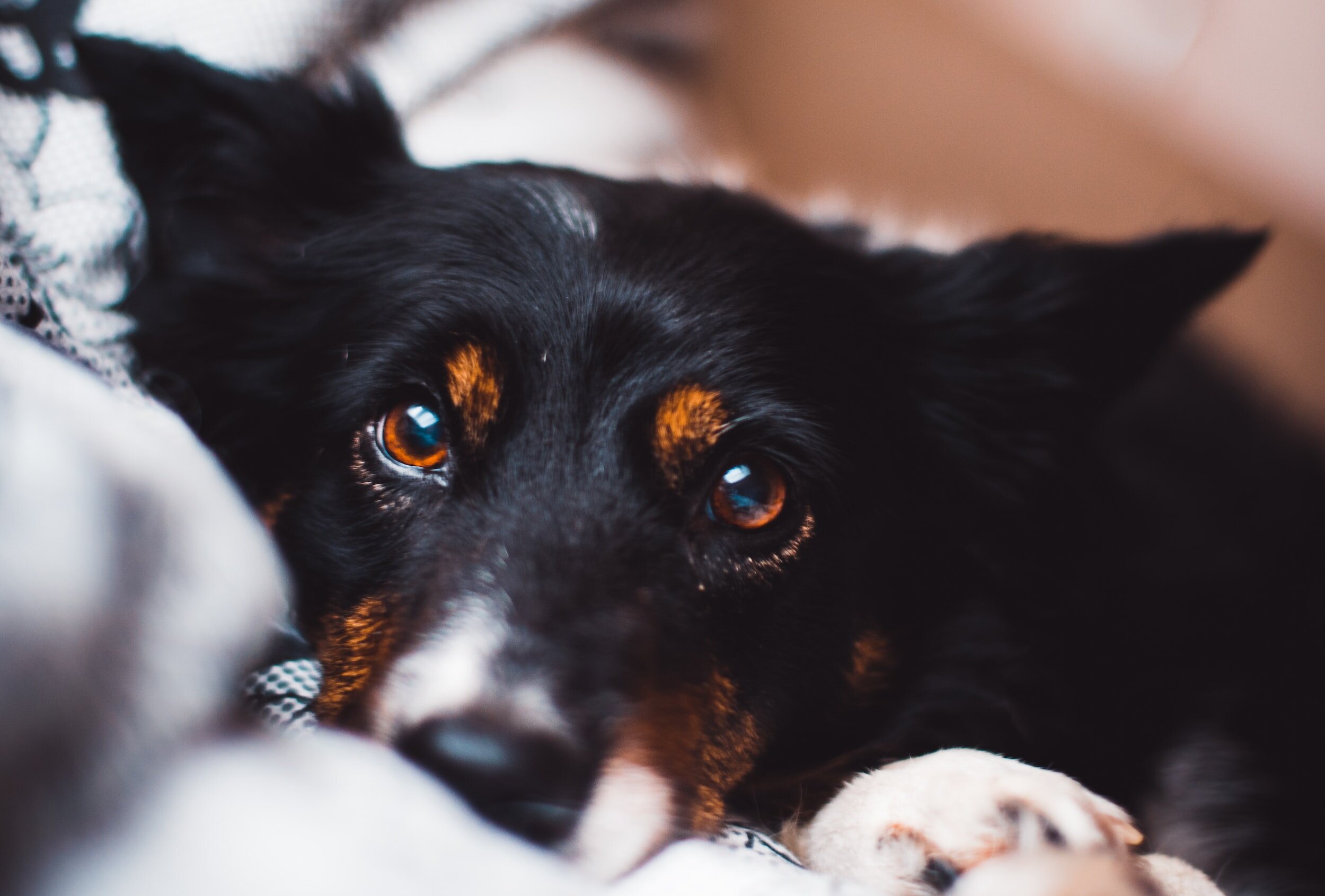
The way dogs see the world: Objects are more salient to smarter dogs
When we point at an object, the toddler focuses on the object, while the dog usually takes the gesture as a directional cue. In a recent study, researchers from the Department of Ethology at Eötvös Loránd University find explanations for this phenomenon. It appears that the discrepancy is not only due to how dogs see, but may, in fact, reflect how they think. For "smarter" dogs, the appearance of an object matters as much as its location, suggesting that their information processing is more similar to that of humans.

Chlorine disinfectant is no more effective than water at killing off hospital superbug
Research by the University of Plymouth has showed spores of Clostridioides difficile, commonly known as C. diff, are completely unaffected despite being treated with high concentrations of bleach used in many hospitals.

How Artificial Intelligence could transform veterinary education
Assessing suturing skills in veterinary students is crucial. Innovative approaches like AI and EMG data analysis offer potential solutions. Read more here.Assessing the suturing skills of veterinary students is crucial to ensure they acquire the necessary competency for surgical procedures. In recent years, researchers have explored the use of innovative approaches, such as artificial intelligence (AI) and electromyographic (EMG) data analysis, to enhance the evaluation process. This article presents a study that aimed to evaluate suturing skills using different performance assessment methods and compare the results with EMG data.

Championing Pets and People: The Inspirational Journey of Quisha Brown
Brooklyn, New York, a vibrant metropolis with a heartbeat of its own, is where dreams come to life, and where individuals with enormous hearts and aspirations thrive. In this dynamic city, one remarkable figure stands out – Quisha Brown, a single mother, a seasoned veterinary professional, and a passionate advocate for both pets and people.