



Embedded therapist, Genel Gronkowski, joins Cornell College of Veterinary Medicine
he College of Veterinary Medicine will welcome an embedded counselor to its halls in early November, piloting a new element as part of campus-wide efforts to enhance mental health support.
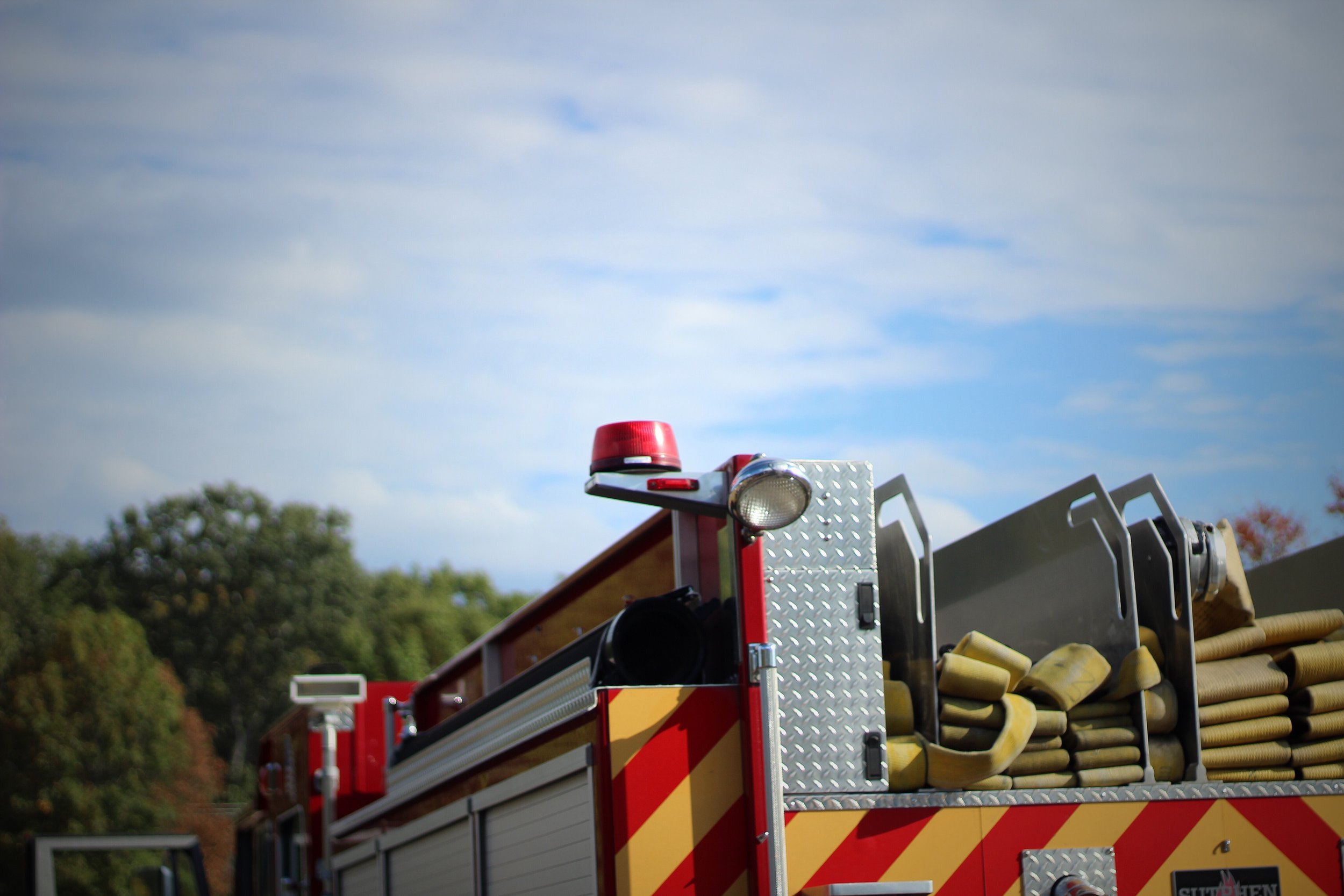
Life-Saving Showdown: Firefighters vs. Veterinarians in Heart-Stopping Equine Rescues!
In a groundbreaking and heart-pounding collaboration, the Purdue University College of Veterinary Medicine and the Purdue University Fire Department (PUFD) united their forces for a three-day Technical Large Animal Emergency Rescue (TLAER) training program. This unprecedented initiative brought together 35 dedicated individuals, a mix of veterinary professionals and fearless firefighters, all driven by a shared goal: enhancing their preparedness for equine emergencies.

Dr. Michelle Moyal hosts Cornell vet podcast
The Cornell University College of Veterinary Medicine debuted its inaugural podcast show on Nov 1. Hosted by Michelle Moyal, D.V.M. assistant clinical professor of primary care surgery, the Cornell Veterinary Podcast takes the breadth and depth of the college’s clinical and scientific expertise to a brand-new medium.

Canine cuddles can comfort equally across all genders
While there are a number of studies demonstrating that dog therapy programs can improve a person’s social and emotional wellbeing, many typically have a disproportionate number of female participants.

Golden Retriever Lifetime Study data uncovers potential connection between sterilization, hemangiosarcoma
A scientific analysis published in Veterinary and Comparative Oncology using Golden Retriever Lifetime Study data notes a potential correlation between canine sterilization and hemangiosarcoma development. This startling finding has been previously suggested by experts but still is poorly understood.
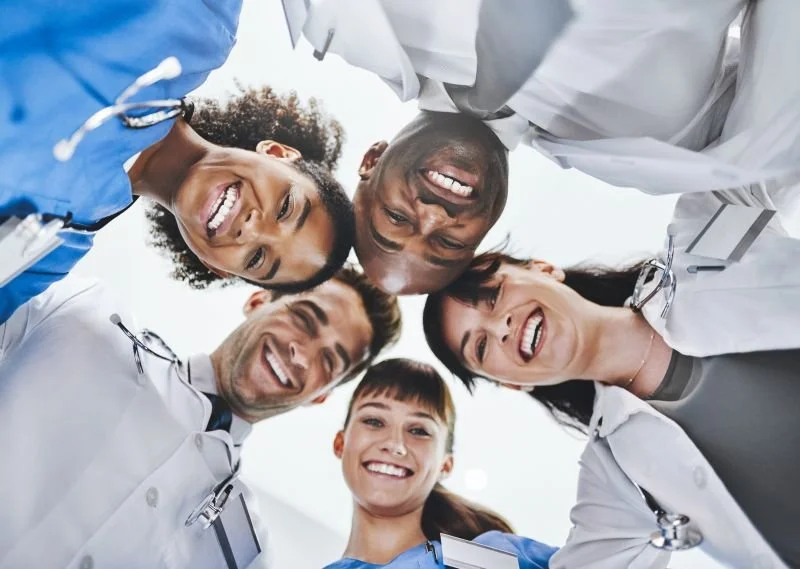
The face of veterinary medicine is evolving
The latest AVMA report serves as a compelling testament to the changing demographics within the veterinary profession. The increasing gender diversity and growing representation of minority groups are indicative of a profession that is adapting to the evolving needs and values of society. These shifts promise to enhance the inclusivity, representation, and overall quality of veterinary care for all animals, while providing equal opportunities to all who aspire to serve in this essential field.