



Mind-Blowing breakthrough: Canine cancer treatment that astonished even experts!
In human medicine, intrathecal chemotherapy is a well-known treatment for central nervous system hematopoietic neoplasia. However, its application and benefits in veterinary medicine remain relatively unexplored. In this case report, we delve into the story of a 4-year-old male cross-breed dog who presented with concerning symptoms, leading to an intriguing use of intrathecal chemotherapy.
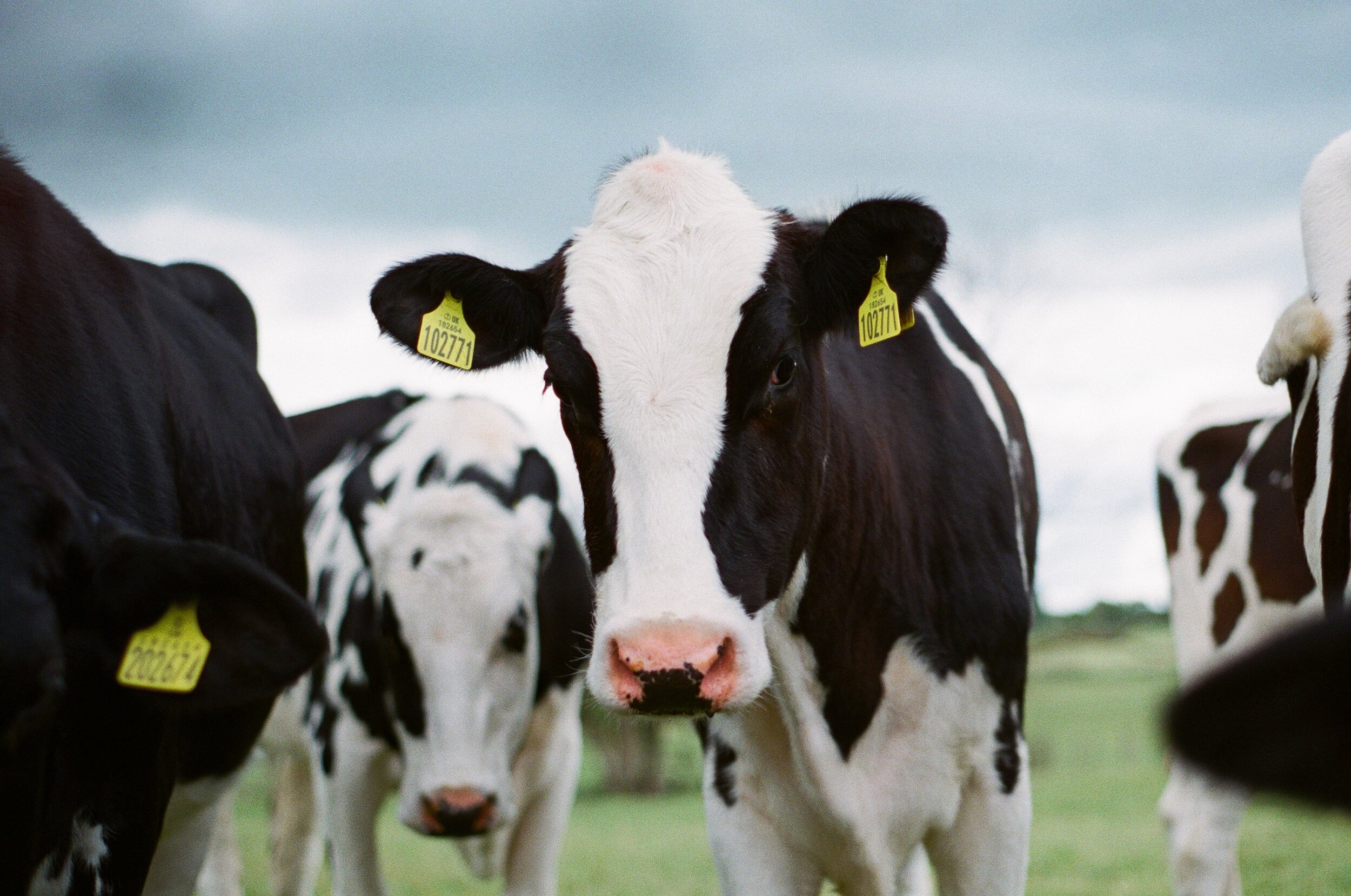
Saving money, milk and improving human health
New research conducted by the College of Veterinary Medicine at Michigan State University sheds light on a costly issue within the dairy industry. It appears that dairy producers tend to overmedicate cows diagnosed with non-severe cases of clinical mastitis, leading to increased farm expenses and loss of milk production.
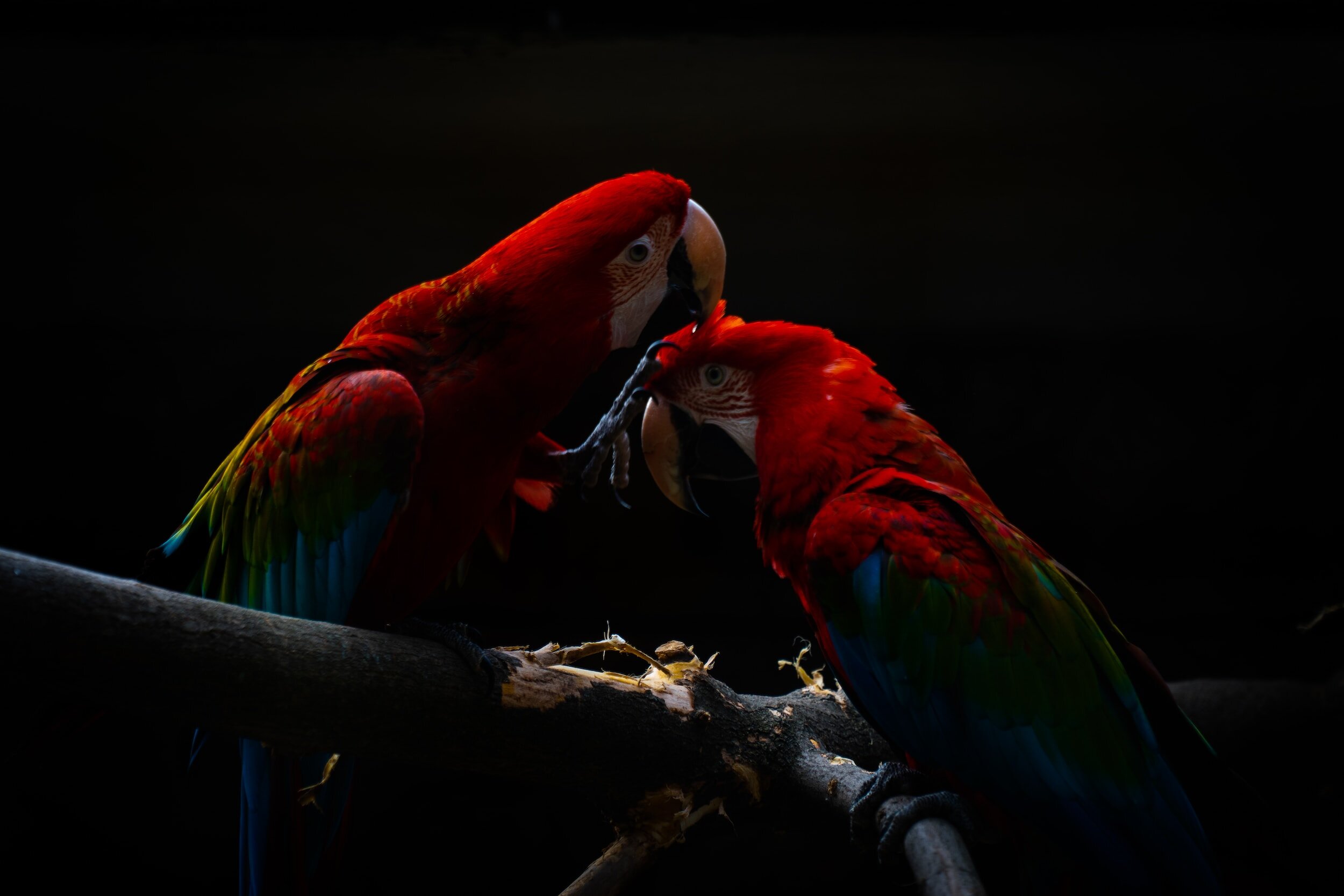
Researchers show endangered parrot species is thriving in urban areas
A Texas A&M-led research team has discovered that a population of endangered red-crowned parrots is thriving in urban areas of South Texas. The parrots are a unique case, considering that many animal species are affected negatively by the expansion of human urban areas, which can lead to deforestation and pollution of natural habitats.

Revolutionizing veterinary care: The telehealth advantage
Unearth the jaw-dropping secrets behind a pet health transformation that defies belief! Get ready for an eye-opening journey into the world of revolutionary pet care. Don't miss out on this unbelievable pet health breakthrough!

Boost your veterinary practice revenue with VOCN TeleSpecialty magic
Boost Your Veterinary Practice Revenue with VOCN TeleSpecialty Magic! Discover how Veterinary TeleSpecialty by VOCN can supercharge your practice revenue while delivering top-notch pet care. Real cases reveal the secret to success!
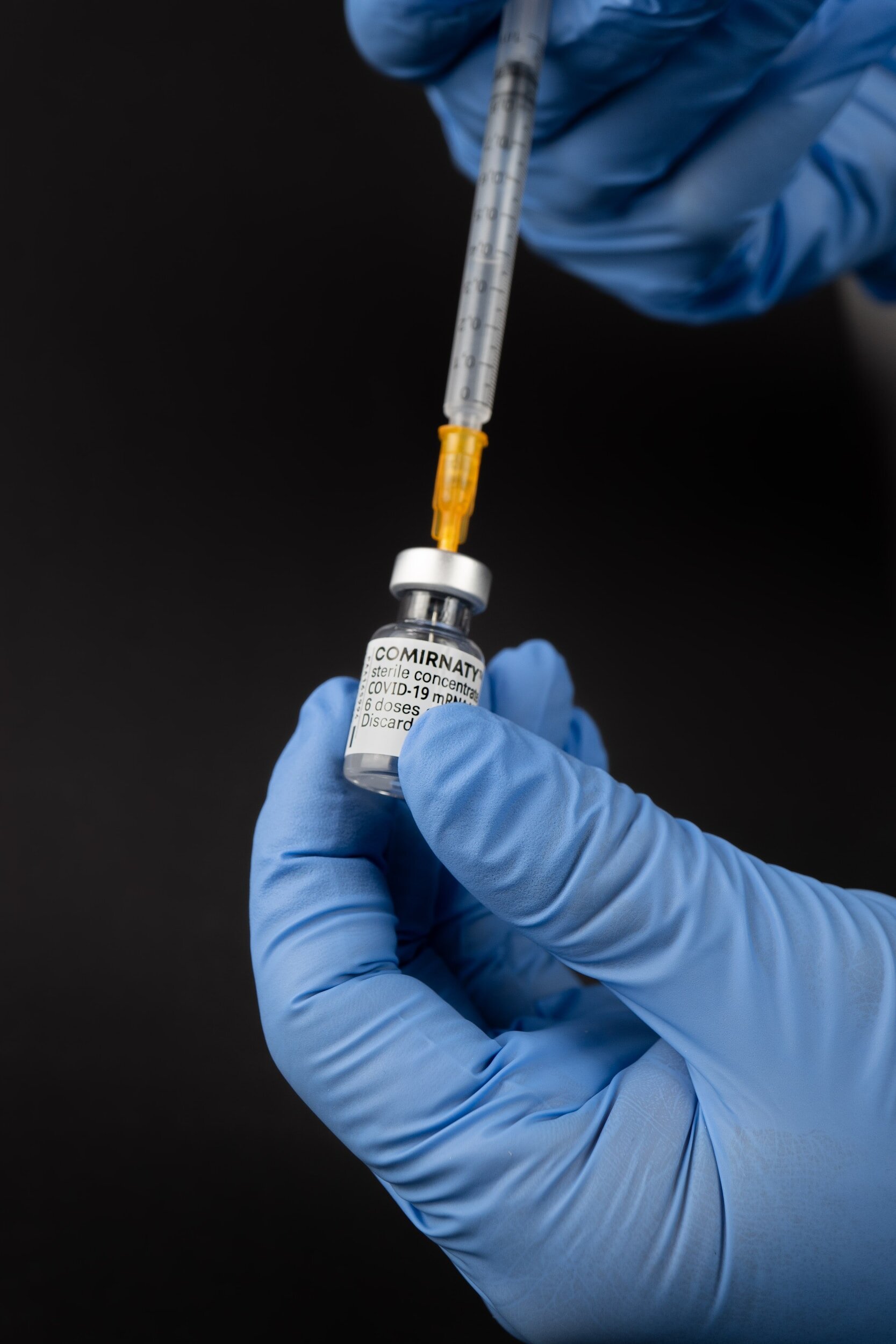
Shocking Revelation: The hidden truth about chemotherapy drug shortage
The nationwide shortage of cancer chemotherapy medicines for pets is a pressing issue that affects both veterinary professionals and the pets they care for. Addressing this problem requires collaboration among pharmaceutical companies, regulatory agencies, veterinarians, and pet owners. By working together, we can ensure that our animal companions receive the best possible care in their battle against cancer, and we can alleviate the burden on the veterinary community.