


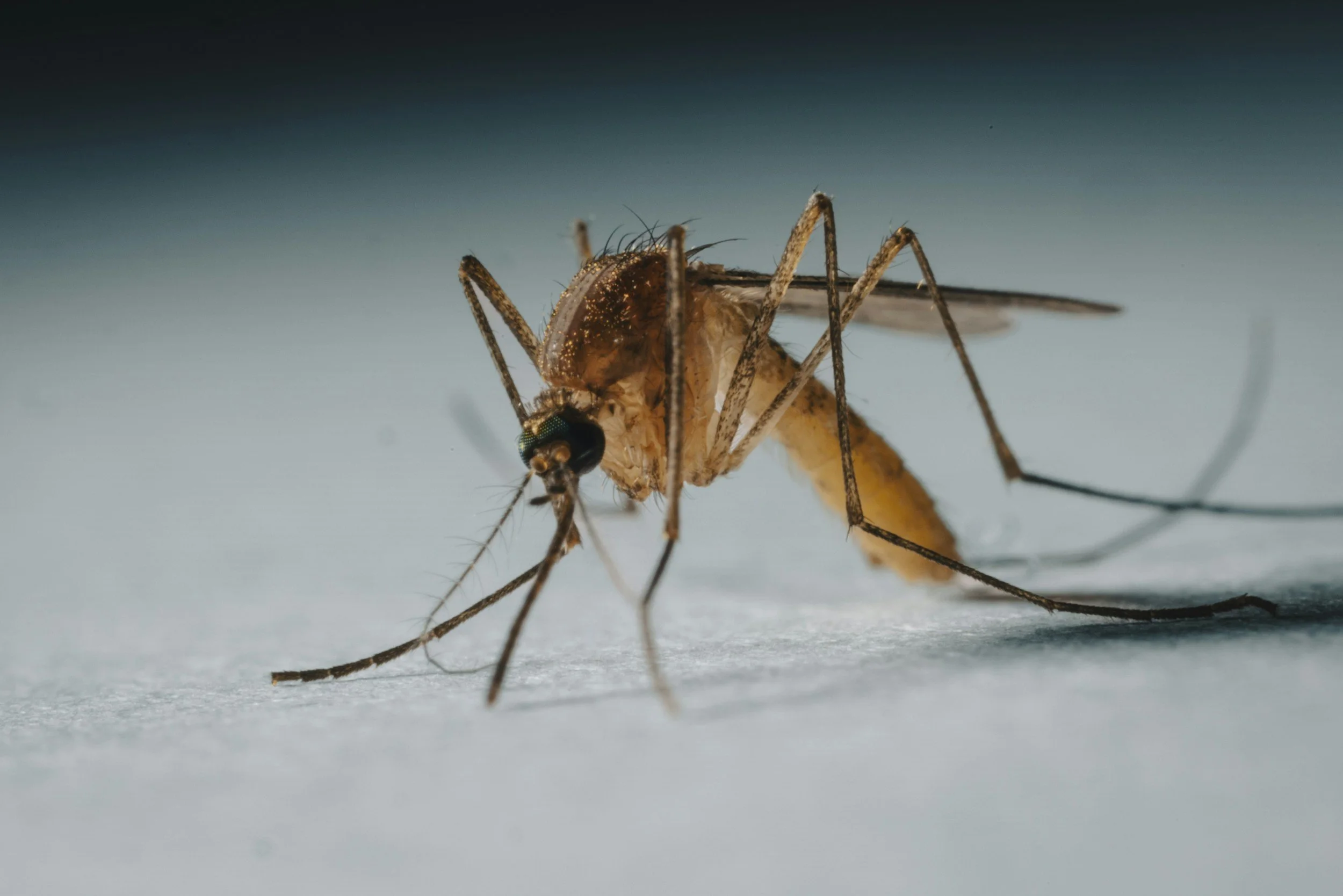
The Next Pandemic May Come From a Mosquito. Veterinarians Are Part of the Answer.
On March 31, 2026, a multi-sectoral panel convened by WHO, PAHO, and WOAH gathered some of the most credible voices in global infectious disease to address a problem that has been growing for years without the urgency it deserves: the rising threat of zoonotic arboviruses in low and middle income countries, and whether the One Health framework can be operationalized quickly enough to do anything about it.

One Health approach on toxocariasis and ophthalmic assessment in owners and dogs
A newly released study in Scientific Reports highlights why toxocariasis must be approached through a true One Health lens — especially in coastal communities where environmental exposure is high.
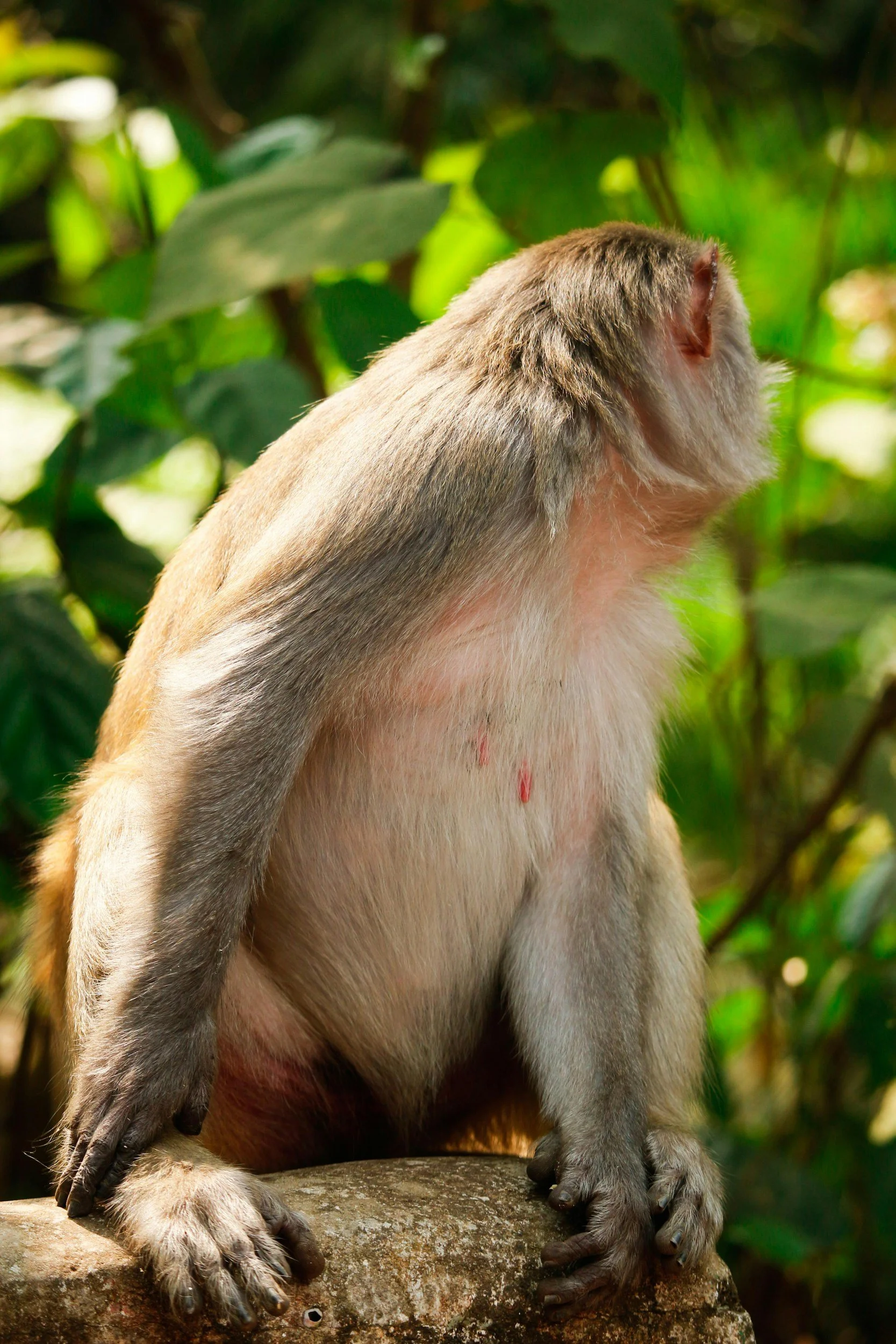
Fire-footed rope squirrels identified as a natural reservoir for monkeypox virus
Mpox is a zoonotic disease caused by the monkeypox virus (MPXV) that can lead to severe illness in humans. It regularly spills over from wildlife to humans in West and Central Africa, and some of these spillovers have recently sparked large global outbreaks sustained by human-to-human transmission.
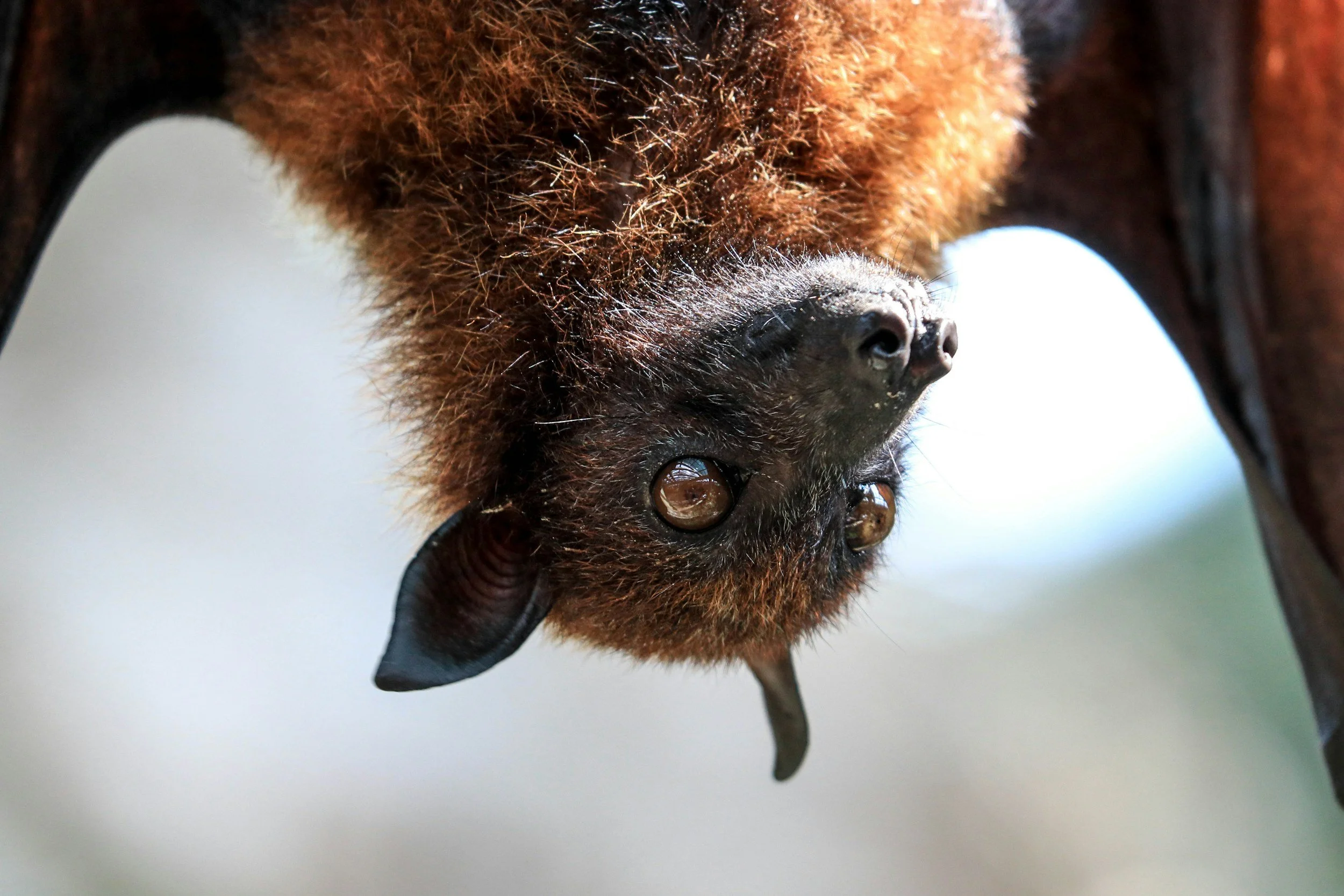
Stopping Nipah Before It Spreads: What Veterinarians Should Know About Spillover Risk
A recent Nipah virus outbreak in India has once again put global health experts on alert and sparked renewed conversations about how diseases move from animals to people. While the situation appears contained, the virus remains a high-priority concern because of its severe outcomes, lack of treatment options, and pandemic potential.
Nipah virus disease cases reported in West Bengal, India
Two confirmed cases of Nipah virus disease have been reported in West Bengal, India.
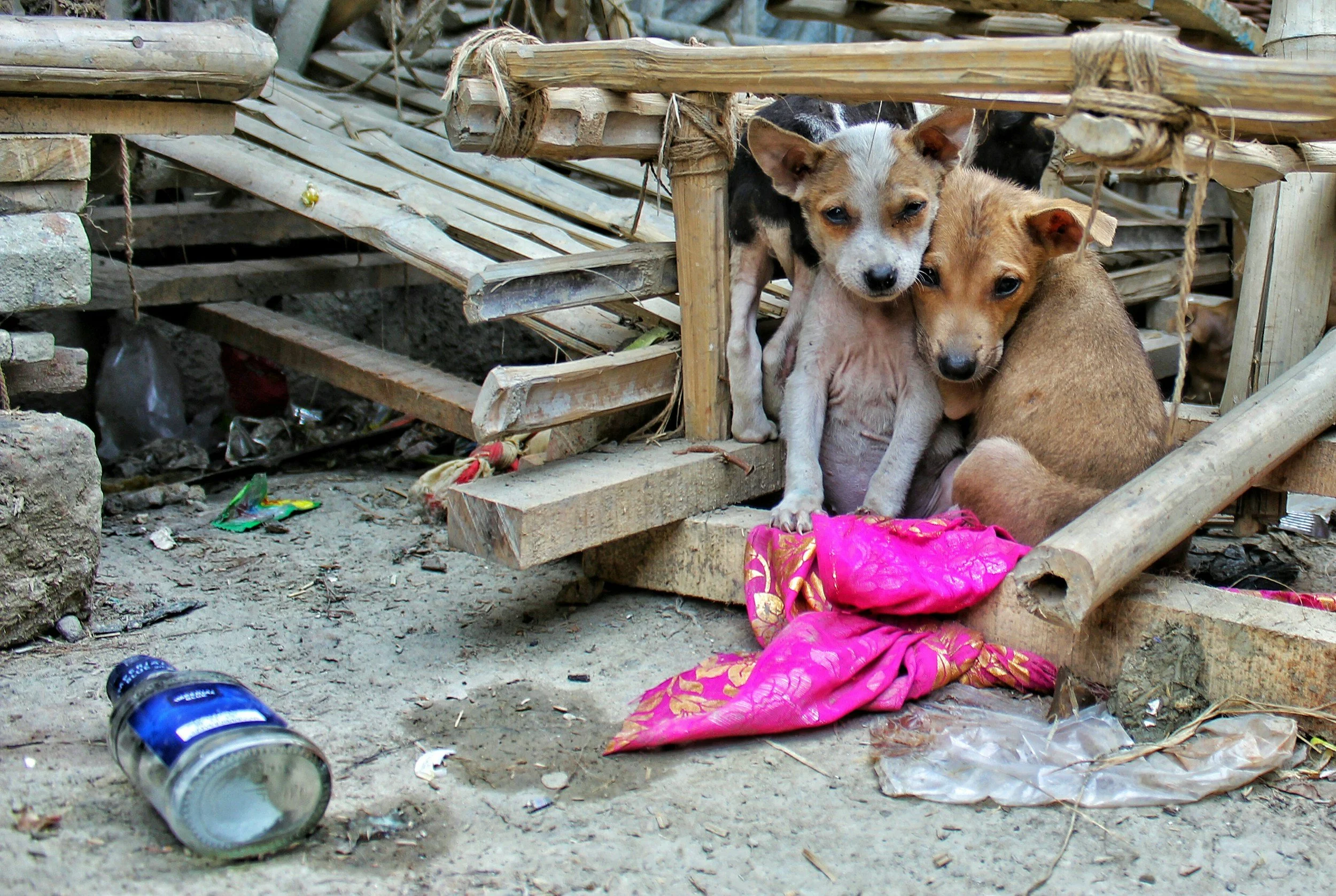
A Bite-Sized Breakthrough: Can Oral Rabies Vaccines Finally Eliminate Dog-Mediated Rabies?
A new oral rabies vaccine for dogs, delivered through edible baits, could transform global rabies control. Backed by decades of safety data, this approach may help low- and middle-income countries reach herd immunity and finally eliminate dog-mediated rabies.