


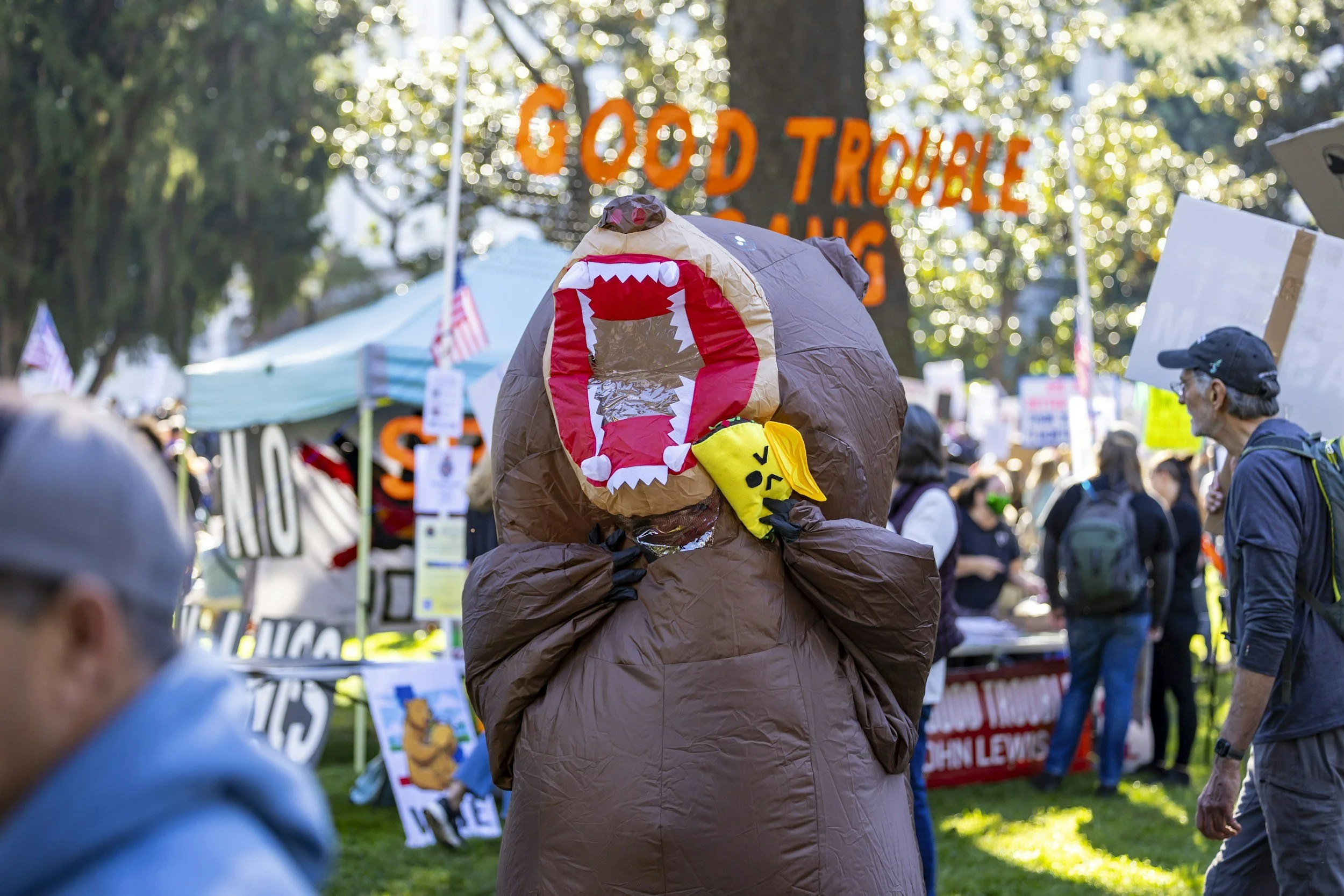
Your Team’s Mascot Might Be Endangered in Real Life, and the Reason Why Matters More Than You Think
If you grew up cheering for the Lions, Tigers, Bears, Wolves, or any team with a fierce creature on its logo, you are not alone. Wild animals are basically the unofficial celebrities of the sports world. They look great on jerseys, they hype us up, and they give teams their signature personality.

Plastic and Biomedical Waste Threaten Wildlife Health in India’s Grasslands
Veterinary and conservation experts in India warn that plastic and biomedical waste are killing wildlife in Pune’s grasslands, with wolves, hyenas, blackbucks, and birds ingesting toxic debris. Traces of plastic in wolf scat confirm food chain contamination, while biomedical waste raises risks of poisoning and zoonotic disease. The crisis underscores the urgent need for veterinary-led One Health interventions to protect wildlife, ecosystems, and human communities.

Petrobras Clears Key Hurdle for Amazon Offshore Drilling with New Wildlife Rescue Center
Petrobras has taken a significant step forward in securing its controversial offshore drilling license with the completion of a specialized wildlife rescue center in the Amazonian state of Amapá, the state-owned energy company announced on Saturday.
Wolf recovery triumphs: But a looming crisis threatens
Gray wolf populations in the US have made an incredible comeback over the past 30 years, but as their numbers surge, so do challenges. Discover the unexpected hurdles these wolves face as they reclaim their territory and the potential consequences for both conservation and human interaction.
Genetics as conservation tool for endangered chimpanzees
The western chimpanzees of Guinea are threatened by mining activities. Using a novel genetic approach, UZH researchers and an international team have collected information on population size and community structure of the endangered species. These data provide an important baseline to assess the impact of mining.