



The Research Coming Out of Vet Residencies Right Now Is Worth Paying Attention To
From kitten blood typing to seahorse colony collapse, the 2026 UC Davis resident research symposium covered more ground than most conferences twice its size.
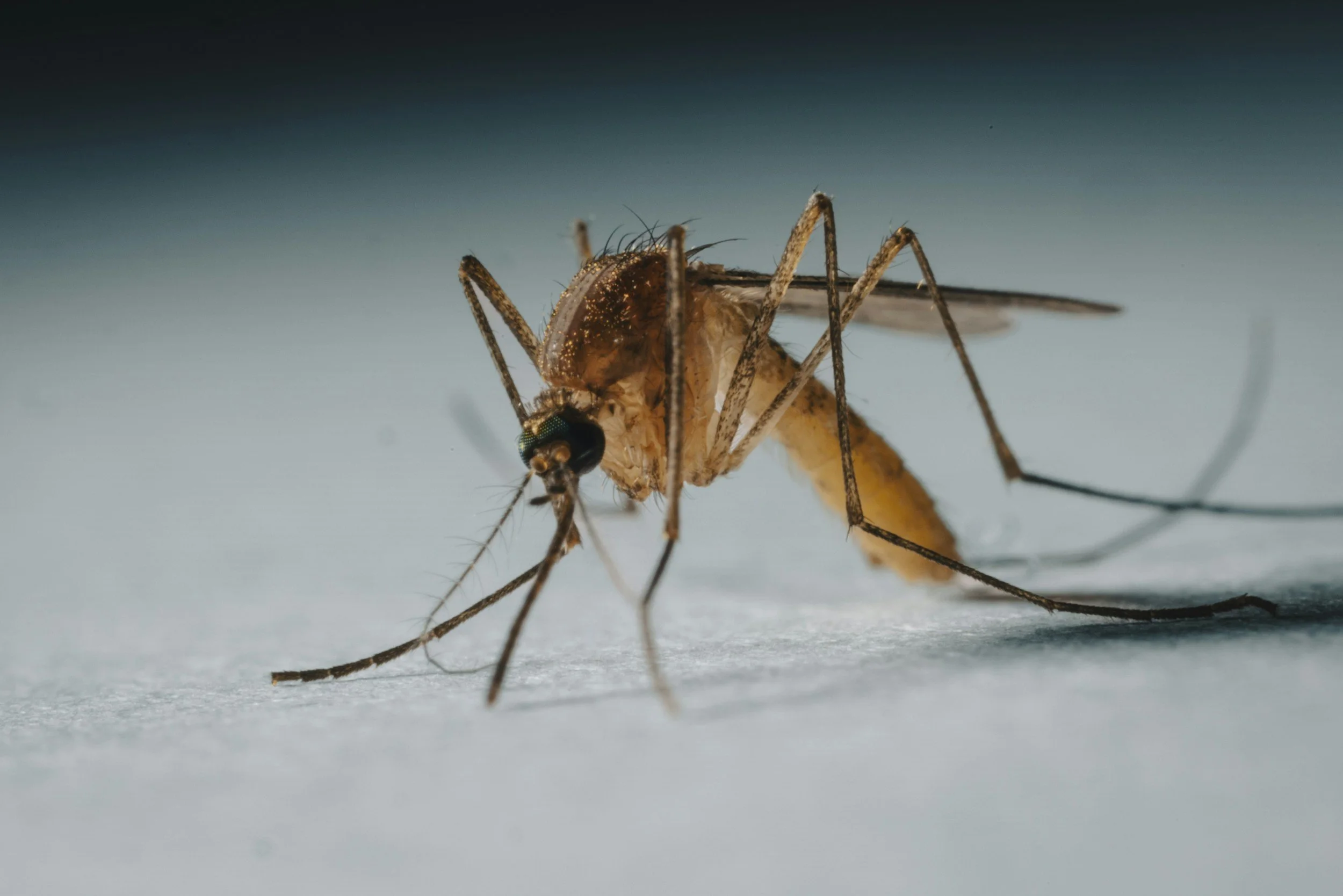
The Next Pandemic May Come From a Mosquito. Veterinarians Are Part of the Answer.
On March 31, 2026, a multi-sectoral panel convened by WHO, PAHO, and WOAH gathered some of the most credible voices in global infectious disease to address a problem that has been growing for years without the urgency it deserves: the rising threat of zoonotic arboviruses in low and middle income countries, and whether the One Health framework can be operationalized quickly enough to do anything about it.
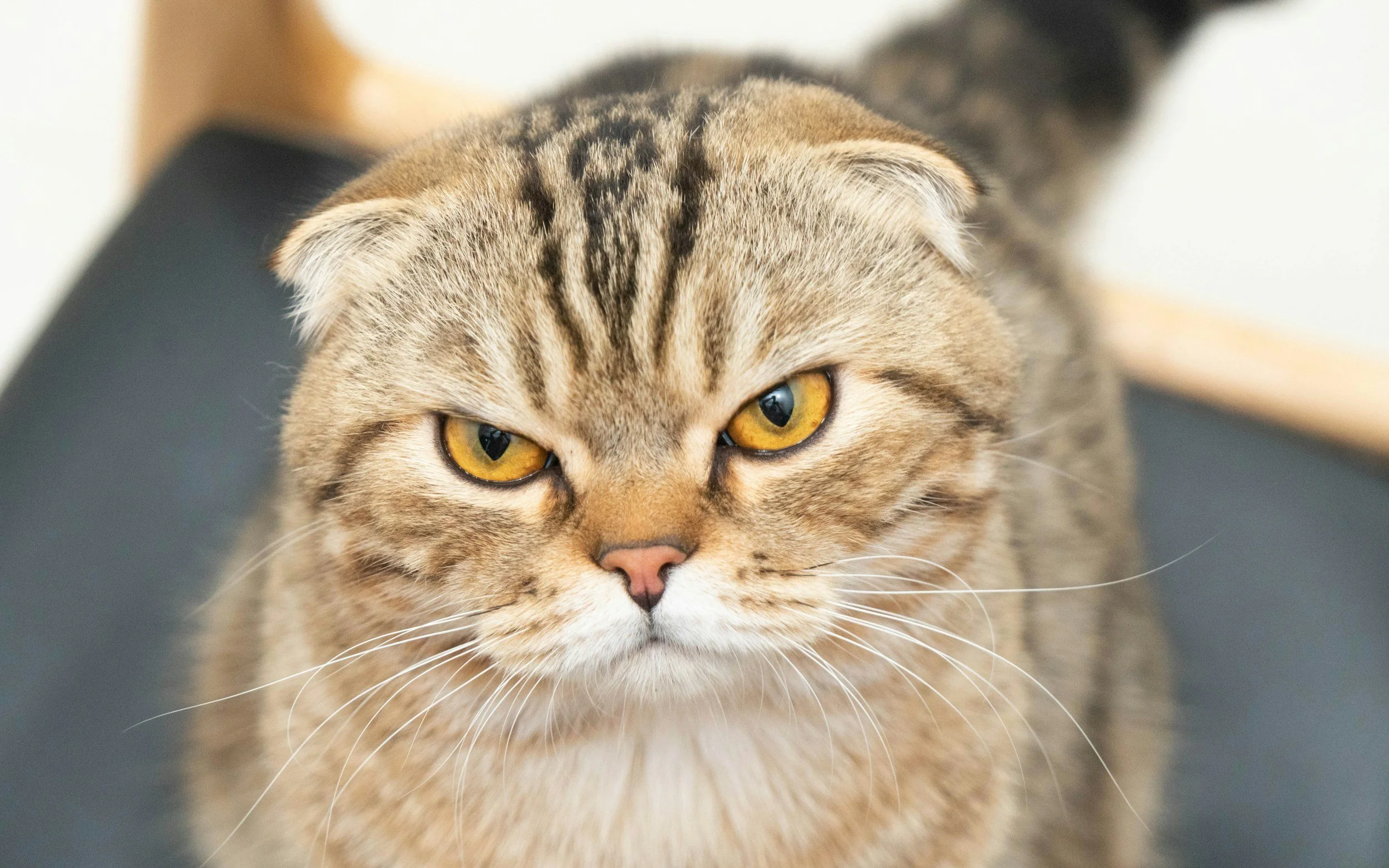
New Research Confirms What Veterinarians Have Always Suspected: Most People Cannot Read a Stressed Cat
A study of nearly 2,000 participants found that human ability to recognize feline stress from visual cues is better than chance but not by much.
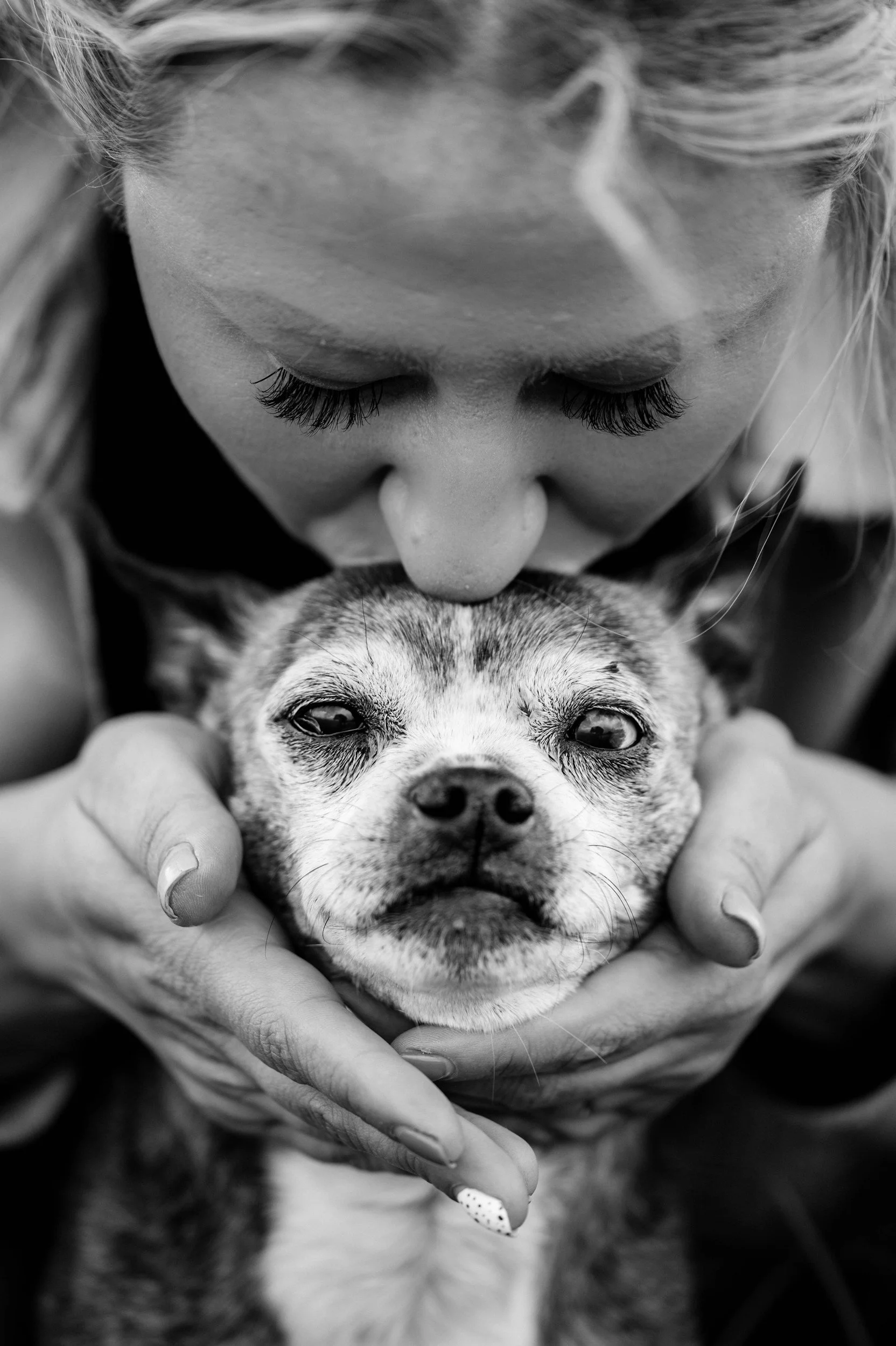
Dog Brains Could Help Crack Alzheimer’s Disease And Here’s the Research Making It Happen
If you watched 60 Minutes this past weekend, you saw something that does not happen very often: veterinary medicine taking center stage on one of the most-watched news programs in the country.
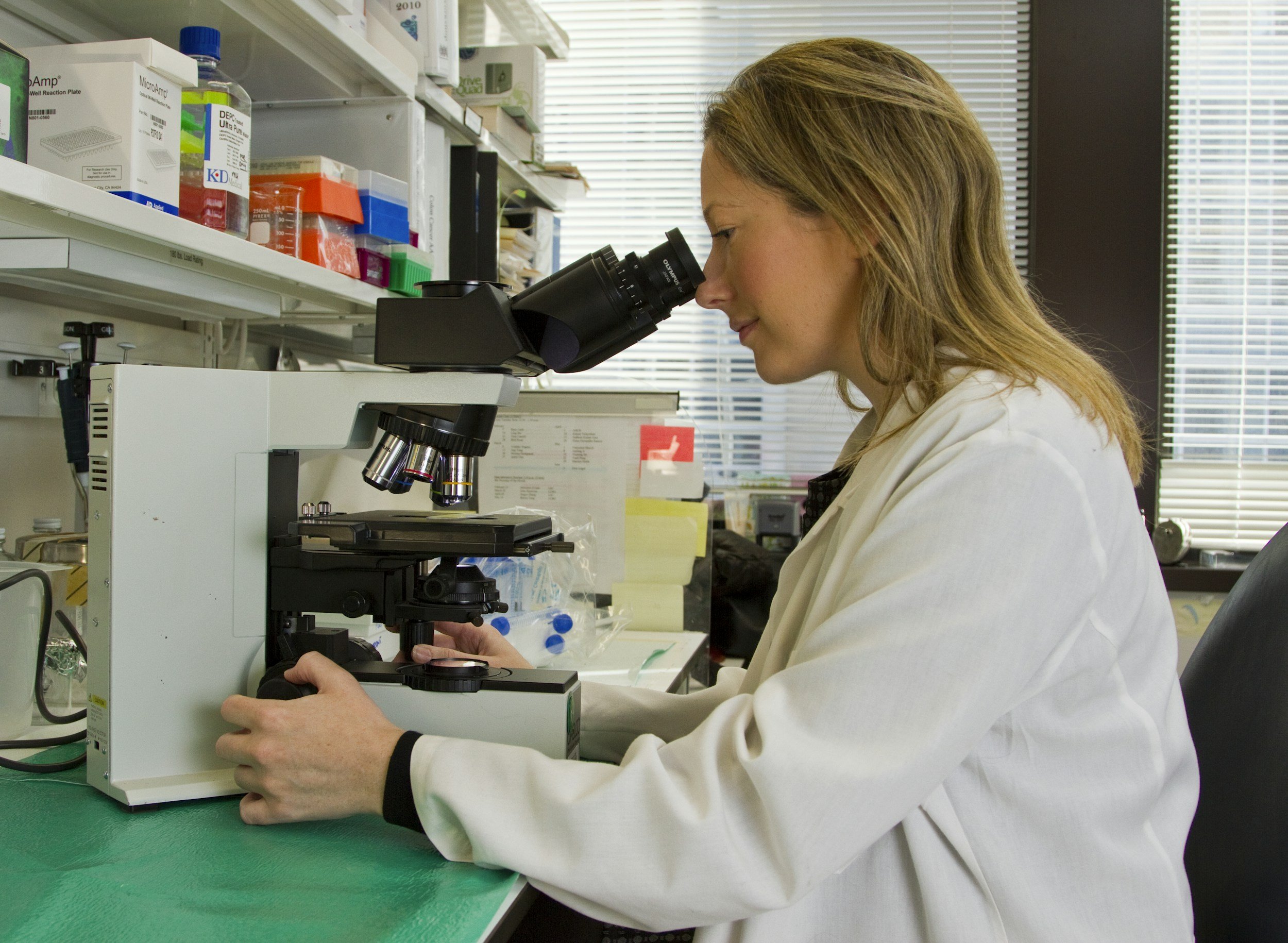
Simple blood tests may predict response to lymphoma treatment
A new study in pet dogs treated with promising novel treatment regimens for the same cancer suggests that immune signatures found in blood samples could help identify poor responders early. The findings, published in Scientific Reports, point toward a future in which blood tests could help guide more personalized treatment decisions in both veterinary and human cancer care.
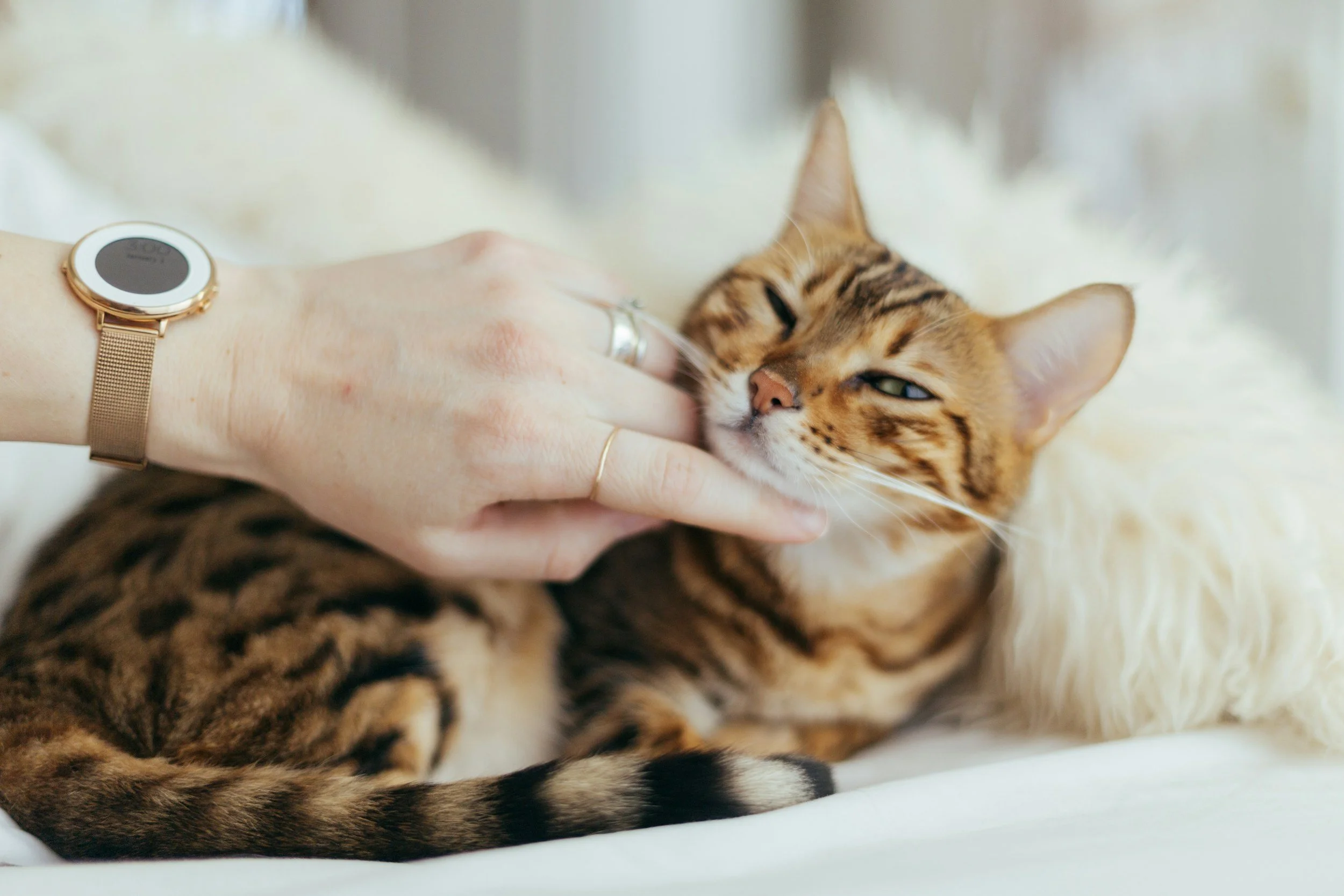
What a renal diet is worth in a CKD cat according to new research
New research quantifies something you have long suspected. The renal diet conversation is one of the most important ones you will have and most cats are not having it early enough.