



What Cats Are Teaching Us About Cancer
A landmark study just mapped the feline oncogenome. The findings could change how you treat cancer in cats and open doors for human patients too.

The Cancer You Cannot See: A Rare Canine Pancreatic Case That Defied Every Diagnostic Tool
A new case report describes a Shetland Sheepdog whose pancreas looked completely normal on imaging, completely normal in surgery and was riddled with cancer on the microscope slide. The implications for how we work up unexplained systemic illness are significant.

Household cat could hold the key to understanding breast cancer
The first study of multiple cancer types in cats has identified genetic changes that could help treat the condition in humans and animals.

Canine cancer survivor may help children next
Soft tissue sarcomas account for roughly 15% of malignant tumors in dogs, with an estimated 95,000 cases diagnosed annually in the U.S. These tumors are notorious for microscopic extension beyond visible margins, making complete surgical excision difficult — especially in anatomically tight areas like the distal limb

VMD Sciences Supports Veterinary Oncologist with Access to Advanced Cancer Treatment for Dog Through Global Managed Access
VMD Sciences, a global veterinary pharmaceutical access services, announced the successful, compliant importation by a U.S. licensed veterinarian of an advanced cancer therapy approved in Europe.
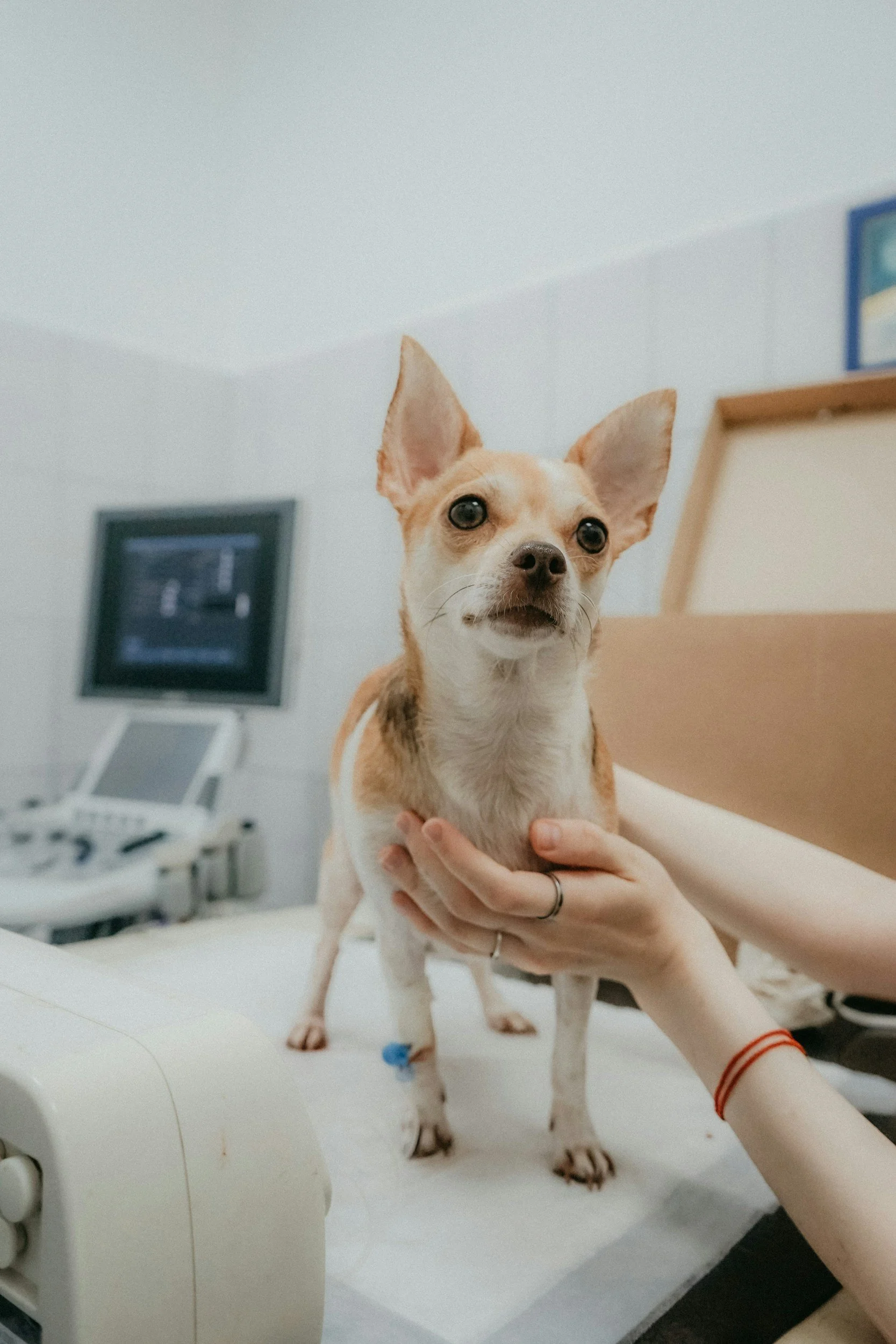
New Diagnostic Tools Aim to Improve Detection of Canine Mast Cell Tumors
Mast cell tumors remain one of the most frequently diagnosed cancers in dogs—and one of the most challenging to identify early. Often appearing as ordinary skin masses, they can be difficult to distinguish from benign lesions without further testing, which can delay diagnosis and treatment decisions.