



Breakthrough in Canine Hemangiosarcoma Research: A Genetic Link to Immune System Disruption
Researchers at the University of Florida College of Veterinary Medicine and the UF Health Cancer Center have uncovered a critical connection between a specific gene mutation and immune system signaling in canine hemangiosarcoma, a discovery that could pave the way for improved treatments for both dogs and humans with similar cancers.

AI Adoption in Veterinary Medicine: How China and North America Compare
A recent cross-sectional study comparing artificial intelligence adoption between Chinese and North American veterinary professionals reveals striking differences in how AI is being integrated into veterinary practice across the globe. The findings challenge the notion that AI adoption follows a universal pathway and highlight the need for region-specific strategies in technology development and implementation.

Researchers unleash the power of a new tool in canine cancer treatment
A new study from the University of Missouri is helping veterinarians and pet owners better understand how to treat thyroid cancer in dogs by studying how to improve treatment with a type of therapy called radioactive iodine. It lays the important groundwork for delivering more tailored and effective treatment options.

Benchmark study tracks trends in dog behavior
The research, led by Courtney Sexton, a postdoctoral associate in the Virginia-Maryland College of Veterinary Medicine, and her colleague Yuhuan Li from the University of Washington, utilized four years of owner-reported data from over 47,000 dogs in the Dog Aging Project, a large-scale initiative involving over 40 institutions.

Unique genetic mutation underlies horses’ exceptional athleticism
For over 5,000 years, horses have played a crucial role in human history—serving as essential companions for transportation, labor, and sport. From chariots to racetracks, their unmatched stamina and strength helped shape civilizations. But what made horses such formidable athletes? New research uncovers an ancient evolutionary adaptation that gave horses the metabolic boost they needed—while protecting them from the damaging side effects of their own power.
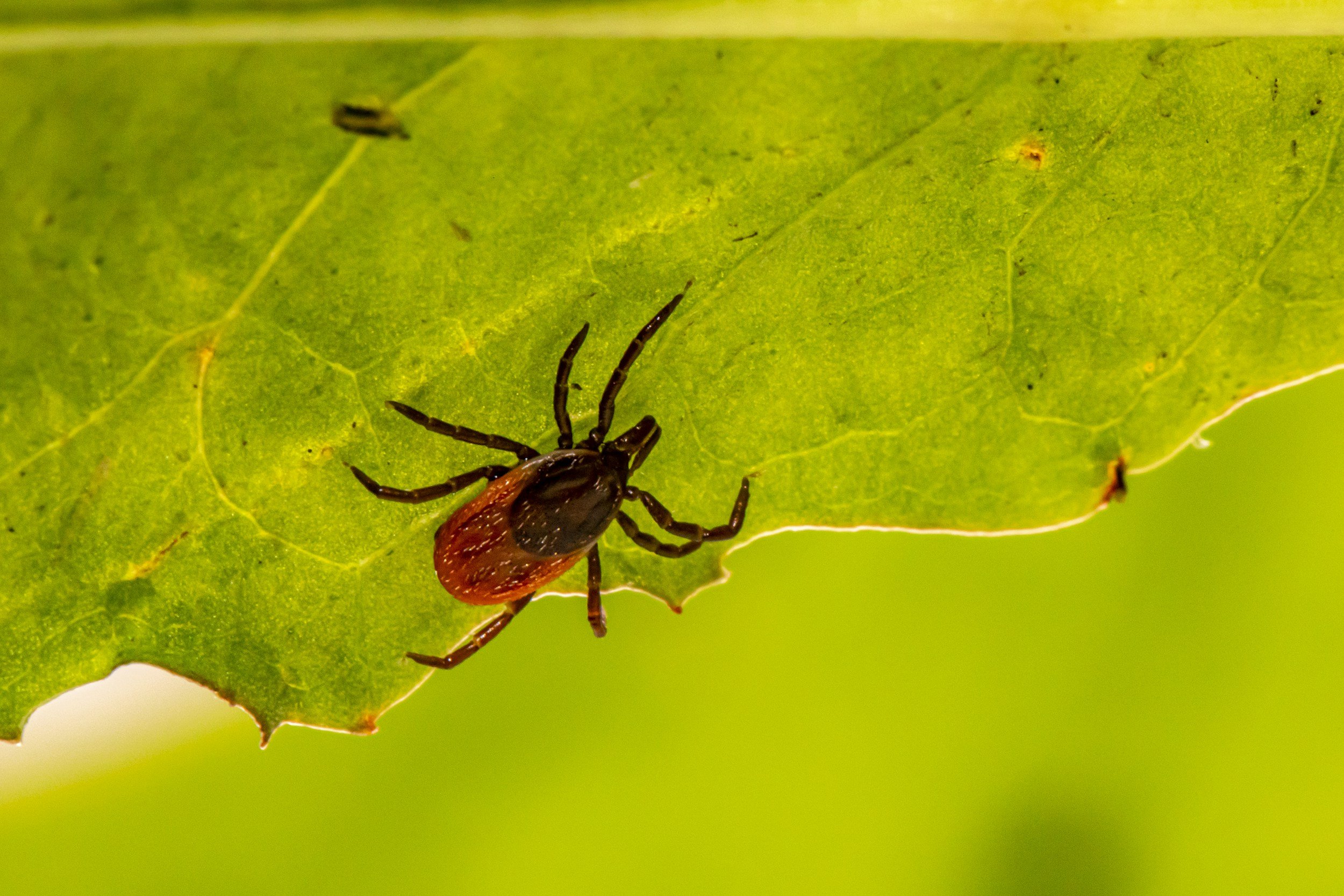
Nature's Secret Weapon Against Ticks? These Animals Fight Back—And Scientists Say It Could Lead to a Game-Changing Vaccine
Just in time for tick season, scientists have discovered a natural superpower in animals that could revolutionize how we fight ticks—and the dangerous diseases they spread. New research out of Washington State University reveals that animals like deer mice, rabbits, and cattle can actually develop resistance to tick bites. And once they do, tick populations start to plummet.