


Pet Owners Are Skipping Wellness Visits. They Are Still Paying for Complex Surgery. Here Is What That Tells Us.
The split between routine care and emergency care spending is the most important trend in veterinary economics right now, and it has direct implications for how practices think about their patient base.
Vet Visits Keep Falling. Pet Care Costs Keep Rising. Here’s What the Data Actually Shows.
Two things are true at the same time in veterinary medicine right now, and they pull in opposite directions. Visits to veterinary practices have been declining for four consecutive years. And the cost of veterinary care has been rising faster than inflation throughout that same period.
The Farmer’s Dog Is Coming to Walmart. Here’s What That Actually Means for Fresh Pet Food.
The Farmer’s Dog has been selling personalized, freshly cooked meal plans directly to dog owners since 2014. In April, for the first time, it is going to be available through a retailer and the retailer it chose is Walmart.
The Market for Compounded Veterinary Drugs Is Growing. Here’s Why That Matters for Your Practice.
A new market analysis suggests the global animal drug compounding market could grow from approximately $1.5 billion in 2026 to $2.3 billion by 2033, reflecting a compound annual growth rate of around 6–7 percent. Other firms report slightly different figures. For example, Grand View Research estimated the market at $1.52 billion in 2024 with a projected CAGR closer to 8 percent.
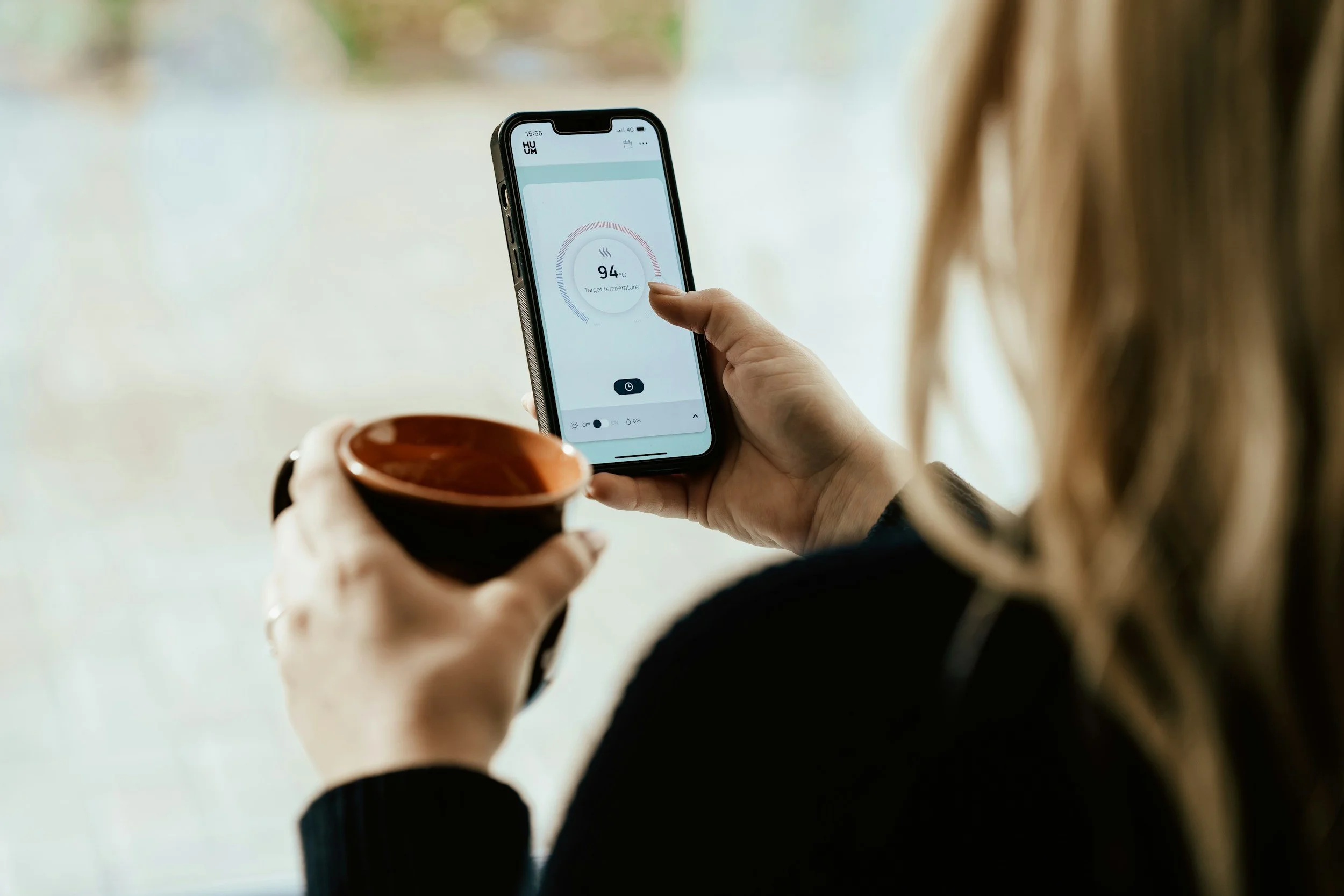
The Veterinary Shortage Is Real. Indiana Just Built Something That Actually Helps.
While the profession debates the access crisis, one state agency surveyed its practitioners, found the gap, and built a free tool to close it. Here's what they did and why every state should be paying attention.
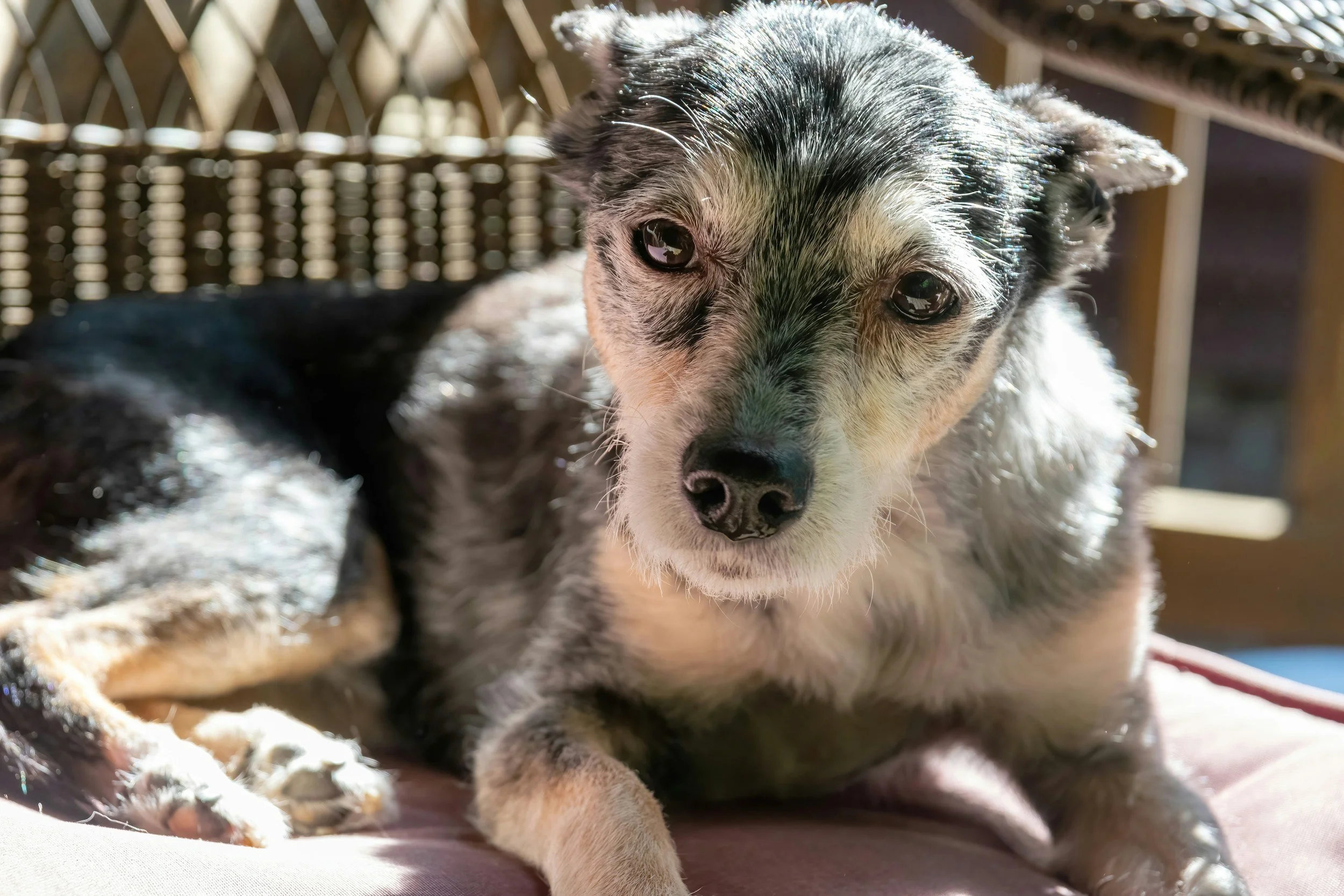
Your Older Clients Love Their Pets More Than Ever. They Just Can't Always Afford Them.
Your older clients love their pets more than ever. They just can't always afford them. New research from the University of Michigan confirms what you already see in the exam room: pets are doing real work for aging adults, and the financial pressure is getting worse.