

Veterinary Blog for Education, Careers, and Real Vet Life
Welcome to the Vet Candy Blog—your go-to destination for veterinary education, career growth, and real-life insights from the world of animal health.
From free RACE-approved CE courses and clinical updates to NAVLE prep and career advice, our content is designed for veterinarians, vet techs, and students who want to stay informed, inspired, and ahead in their careers.

Latest Veterinary News & Clinical Insights
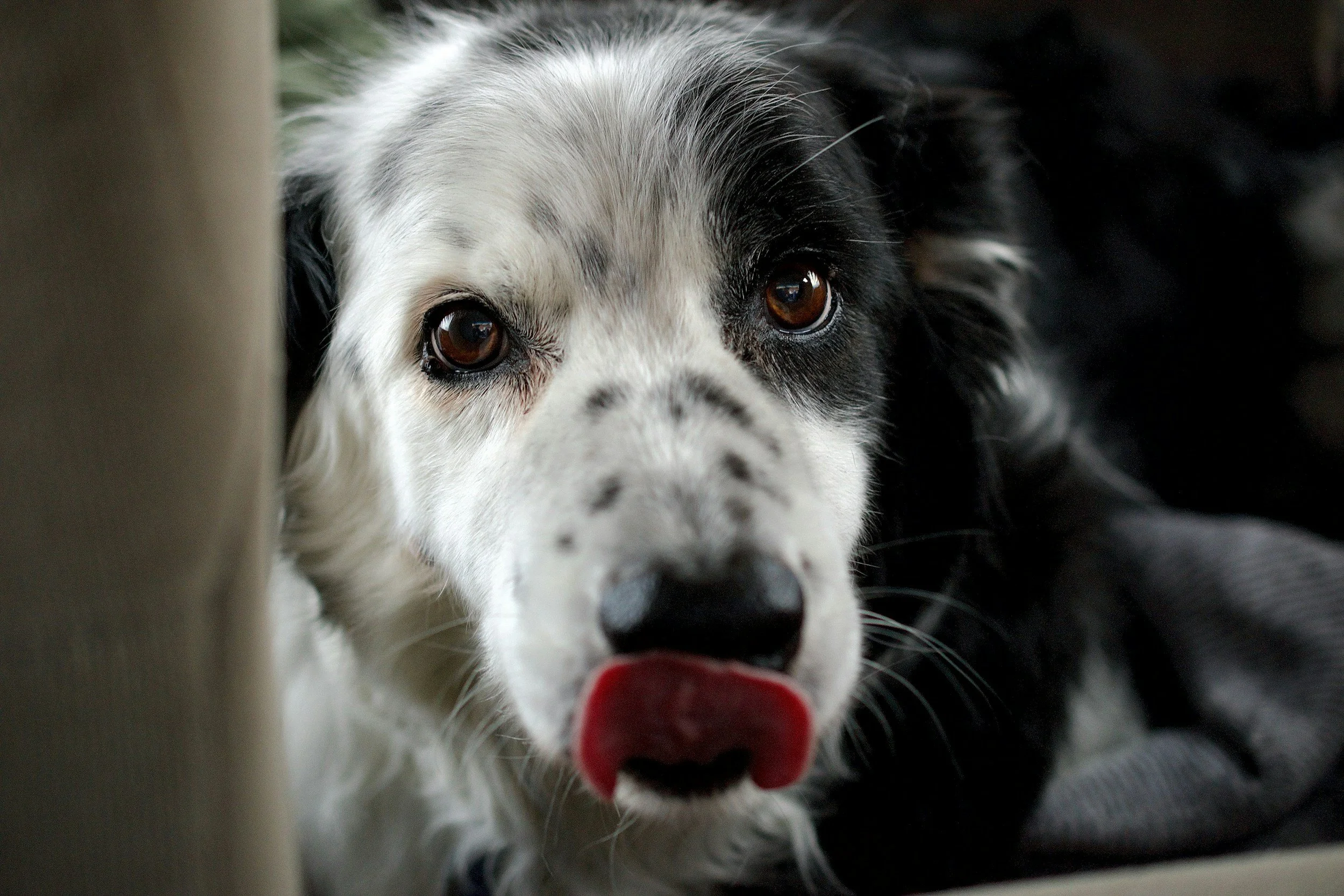
Dog behavioral traits are linked with salivary hormone cortisol and neurotransmitter serotonin
Dogs who scored well on the Wesen test, which is used to analyze a dog’s temperament, tended to have lower levels of cortisol, often called the “stress hormone,” and higher levels of serotonin, often called the “happiness hormone.”

Puppy Geniuses? What a Five Year Study Reveals About How Dogs Learn to Think
Veterinary professionals know that puppies are not just small dogs. They are developing brains on four legs, absorbing information at a remarkable pace. A five year longitudinal study led by researcher Hannah Salomons offers one of the clearest windows yet into how puppies develop thinking skills and what that means for behavior, training, and future success as working dogs.

Do Personality Tests Really Work for Free-Ranging Dogs? New Research Says Yes
If you've ever wondered whether a dog's behavior in a structured test actually reflects how they act in real life, you're not alone. Researchers have been grappling with this question for years, and a new study published in iScience brings some reassuring answers—at least for free-ranging dogs.

Benchmark study tracks trends in dog behavior
The research, led by Courtney Sexton, a postdoctoral associate in the Virginia-Maryland College of Veterinary Medicine, and her colleague Yuhuan Li from the University of Washington, utilized four years of owner-reported data from over 47,000 dogs in the Dog Aging Project, a large-scale initiative involving over 40 institutions.

How a Would-Be Baker Became the Queen of Veterinary Behavior
In the heart of San Francisco, pet owners facing the mysterious—and sometimes frustrating—behavioral quirks of their furry companions have a true ally: Dr. Wailani Sung. As the founder of Bay Area Vet Behavior, she’s not just solving problems—she’s reshaping how we understand the emotional lives of animals.

Are Your Cat Patients Suffering in Silence? The Shocking Reason You’re Missing the Signs of Pain
Explore the evolutionary reasons behind cats' instinct to conceal pain, a survival mechanism inherited from their wild ancestors. We’ll explain why recognizing pain in your feline companion can be challenging, share insights from Dr. Wailani Sung, a veterinary behaviorist, and provide tips on how to identify and address hidden discomfort in domestic cats.
Your Questions, Answered
-
Vet Candy welcomes relevant industry news, press releases, and high-quality content that provides value to veterinary professionals. Submissions should focus on clinical insights, innovation in animal health, or meaningful industry developments.
All submissions are reviewed by our editorial team to ensure they align with our content standards and audience interests. To inquire about opportunities, please contact our team through the website.
-
Vet Candy focuses on content that is educational, engaging, and relevant to veterinarians, vet techs, and veterinary students. This includes clinical updates, industry news, career insights, and expert perspectives that help professionals stay informed and grow in their careers.
-
Yes, Vet Candy offers opportunities for companies and organizations to share important updates, product news, and industry announcements through sponsored content, press features, and integrated campaigns—helping you reach a highly engaged veterinary audience.
-
You can reach us anytime via our contact page or email. We aim to respond quickly—usually within one business day.
-
Vet Candy is committed to providing content that is accurate, balanced, and relevant to veterinary professionals. Our editorial team works to maintain high journalistic standards by reviewing content for clarity, credibility, and educational value. We aim to present information in a way that reflects a range of perspectives within the veterinary industry.
-
We strive for accuracy in everything we publish, but if you notice an error or outdated information, we encourage you to reach out to our team. Vet Candy is committed to transparency and will review and update content as needed to ensure it remains accurate and reliable.
-
Yes, Vet Candy regularly reviews and updates content to maintain accuracy and relevance. When necessary, corrections or edits are made to ensure our content reflects the most current and reliable information available.