



Rabies Kills 59,000 People a Year. Every Single Death Is Preventable. So Why Are We Still Here?
That combination, ancient, fatal, and preventable, makes rabies one of the most frustrating problems in global veterinary and public health. The tools exist. The playbook is known. And yet the disease still claims an estimated 59,000 human lives each year, the majority in Africa and Asia, the majority linked to dog bites, and a disproportionate number of them children.
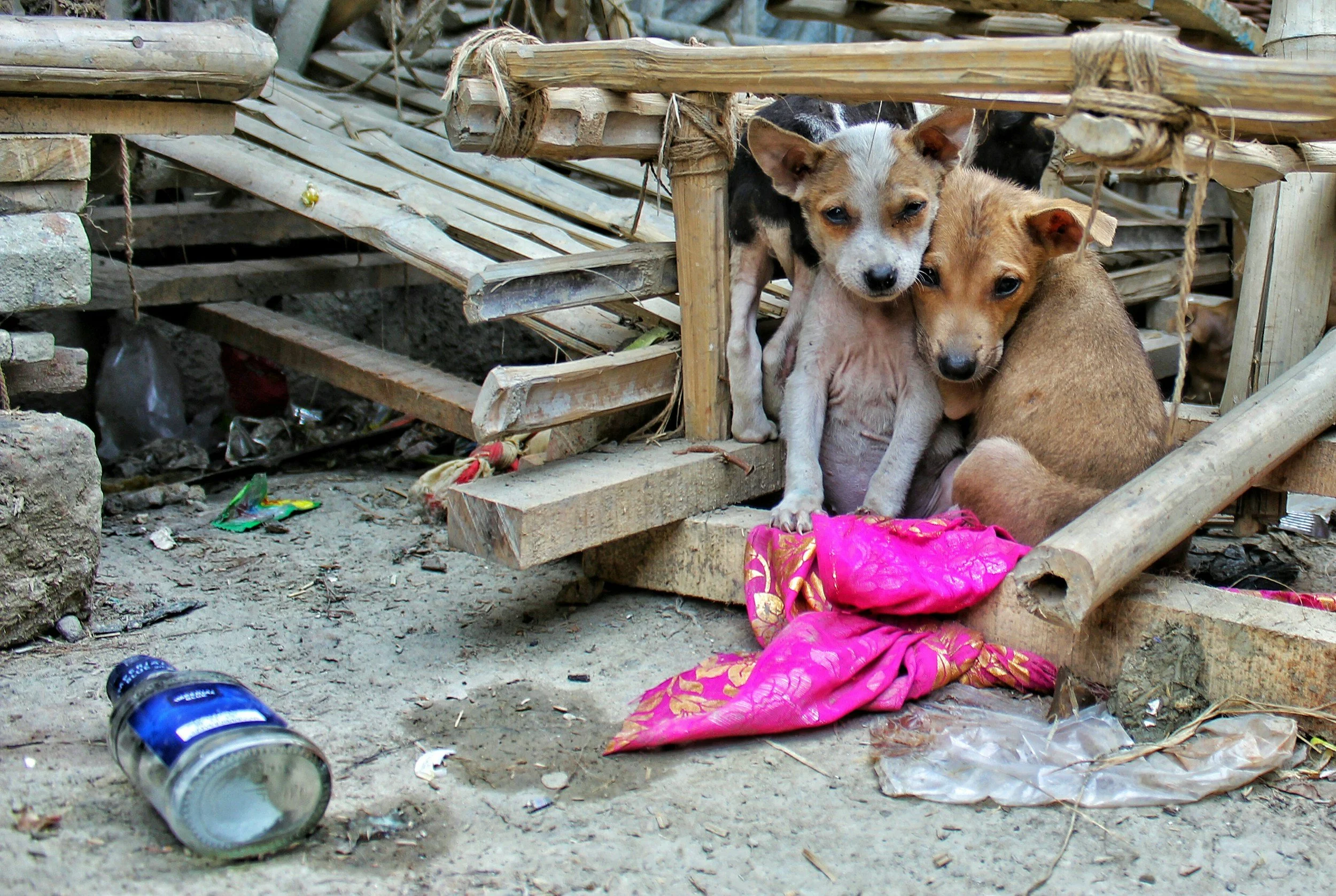
A Bite-Sized Breakthrough: Can Oral Rabies Vaccines Finally Eliminate Dog-Mediated Rabies?
A new oral rabies vaccine for dogs, delivered through edible baits, could transform global rabies control. Backed by decades of safety data, this approach may help low- and middle-income countries reach herd immunity and finally eliminate dog-mediated rabies.

Five Steers, One Skunk, and a $35,000 Wake Up Call: What a Minnesota Rabies Cluster Means for Cattle Vets
Rabies is often framed as a wildlife or small animal concern, but a 2024 outbreak on a Minnesota dairy farm is a reminder that production animal veterinarians are very much on the front lines. During a four week period in May, five steers on a single dairy farm developed neurologic disease consistent with rabies. What followed was a complex response involving euthanasia, quarantine, vaccination, human postexposure prophylaxis, and significant economic loss.
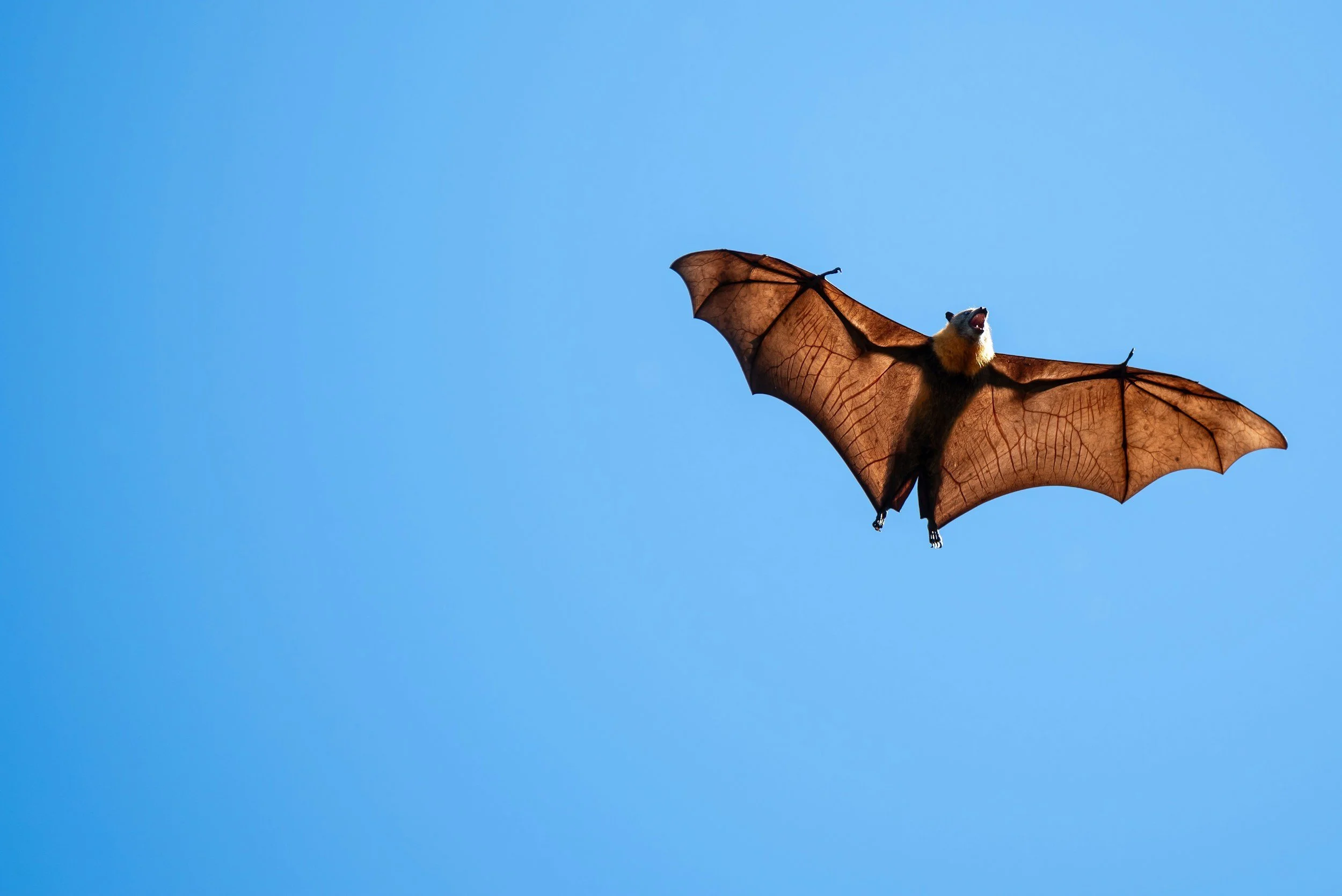
Rabies in Peru highlights global threats of health inequity
Insight into what Peru’s second-largest city may be missing in its efforts to track rabies could provide insight to the rest of the world on a disease that still kills 70,000 people per year. A team led by researchers from the Perelman School of Medicine at the University of Pennsylvania found that efforts to track dog-related rabies in poorer areas were lacking even though more dogs were found to have the disease there than in wealthier neighborhoods.

The Fight Against Rabies
In a recent article, researchers Rodney Rohde and Charles Rupprecht delve into the complexities of rabies, an ancient and often fatal disease. Their research sheds light on the unpredictable nature of rabies and offers crucial guidance on protection against this enduring threat.