



Receptors in mammary glands make livestock and humans inviting hosts for avian flu
An ongoing outbreak of highly pathogenic avian influenza has affected more than 184 million domestic poultry since 2022 and, since making the leap to dairy cattle in spring 2024, more than 1,000 milking cow herds.

HPAI Alert: Bird Flu Cases Soar Across the U.S.
Avian influenza is back in the spotlight, and veterinary professionals across the country are paying close attention. Cases of Highly Pathogenic Avian Influenza (HPAI) are on the rise in the U.S., impacting commercial and backyard flocks alike. Understanding the latest numbers, trends, and veterinary implications is critical for protecting animal health and managing outbreaks.
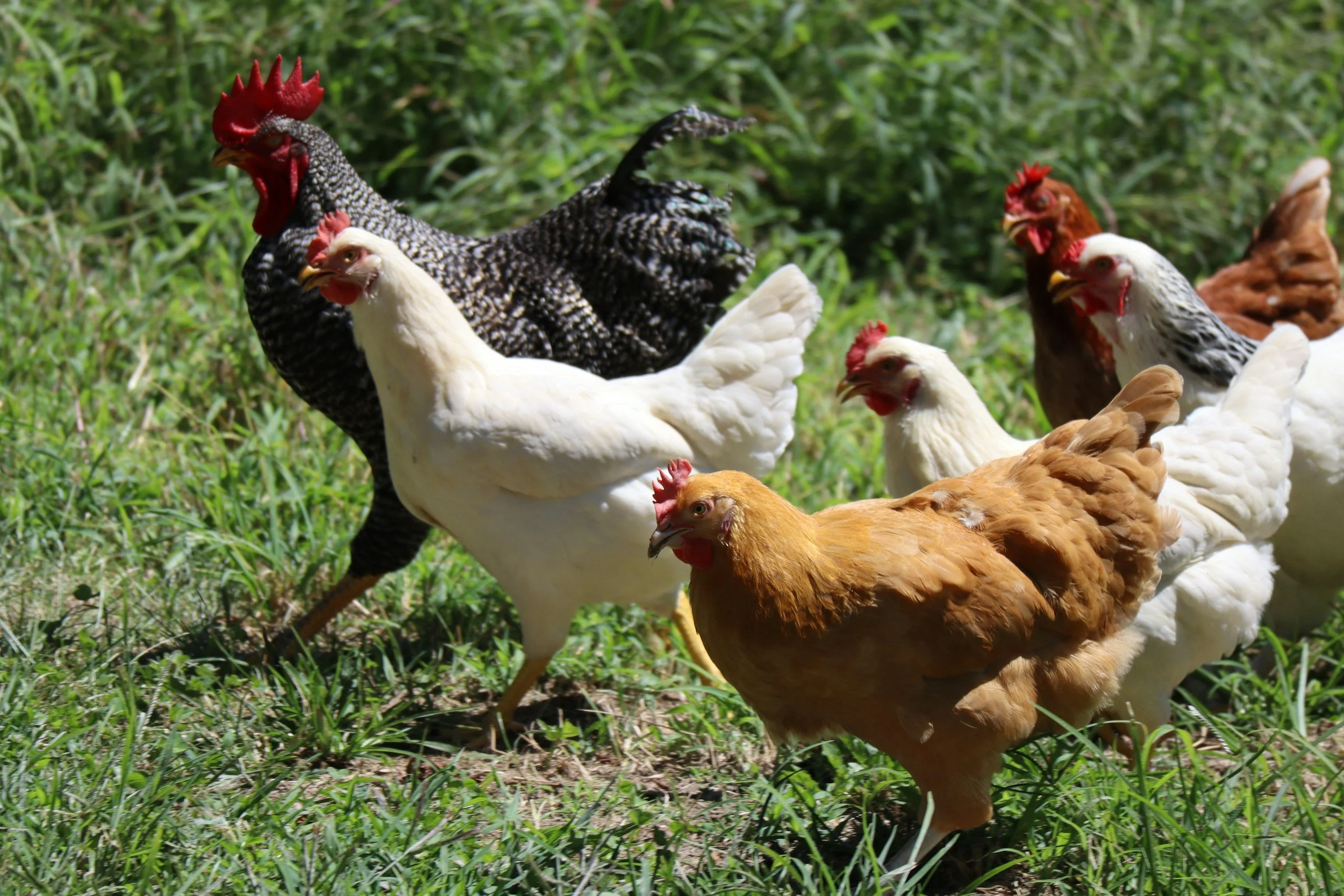
Highly Pathogenic Avian Influenza Detected in Two Ottawa County Flocks
Following an investigation by the Michigan Department of Agriculture and Rural Development (MDARD), the Michigan State University Veterinary Diagnostic Laboratory has detected the presence of highly pathogenic avian influenza (HPAI) in two commercial flocks from Ottawa County.

Breaking: New Bird Flu Strain Detected in Dairy Cattle—What It Means for the Industry
On January 31, 2025, the USDA Animal and Plant Health Inspection Service (APHIS) National Veterinary Services Laboratories (NVSL) confirmed by whole genome sequence the first detection of highly pathogenic avian influenza (HPAI) H5N1 clade 2.3.4.4b, genotype D1.1 in dairy cattle. This confirmation was a result of State tracing and investigation, following an initial detection on silo testing under the USDA’s National Milk Testing Strategy (NMTS) in Nevada.
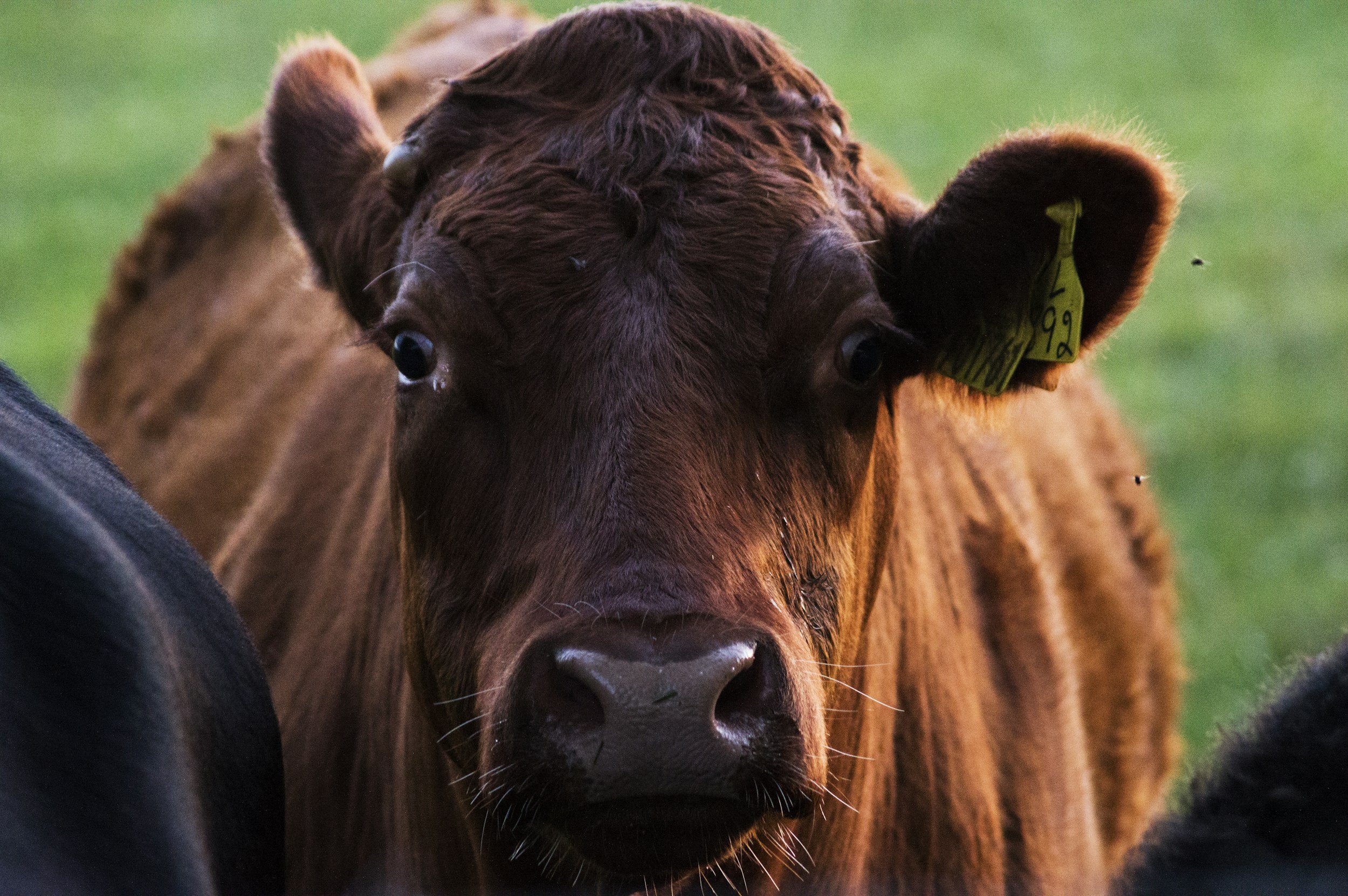
Receptors make dairy cows a prime target for influenza, ISU team finds
As highly pathogenic avian influenza has spread in dairy herds across the U.S., the virus is being detected in raw milk. A new study by a broad team of researchers at Iowa State University’s College of Veterinary Medicine helps explain why.