



A New Era in Equine Cancer Care: Virginia Tech’s H-FIRE Therapy Arrives at the Equine Medical Center
Virginia Tech–developed high-frequency irreversible electroporation (H-FIRE) is now available for horses at the Marion duPont Scott Equine Medical Center. This innovative, standing cancer treatment improves chemotherapy effectiveness, reduces drug use, and speeds return to work for equine patients with skin tumors.

How Equine Medicine Is Reinventing the Fight Against Bacteria
Antibiotics built modern veterinary medicine. Penicillin changed the game in the early 20th century, and for decades these drugs have saved countless equine lives. But in 2026, veterinary professionals are facing a hard truth. Antibiotics are no longer a limitless resource, and their downsides are becoming impossible to ignore.
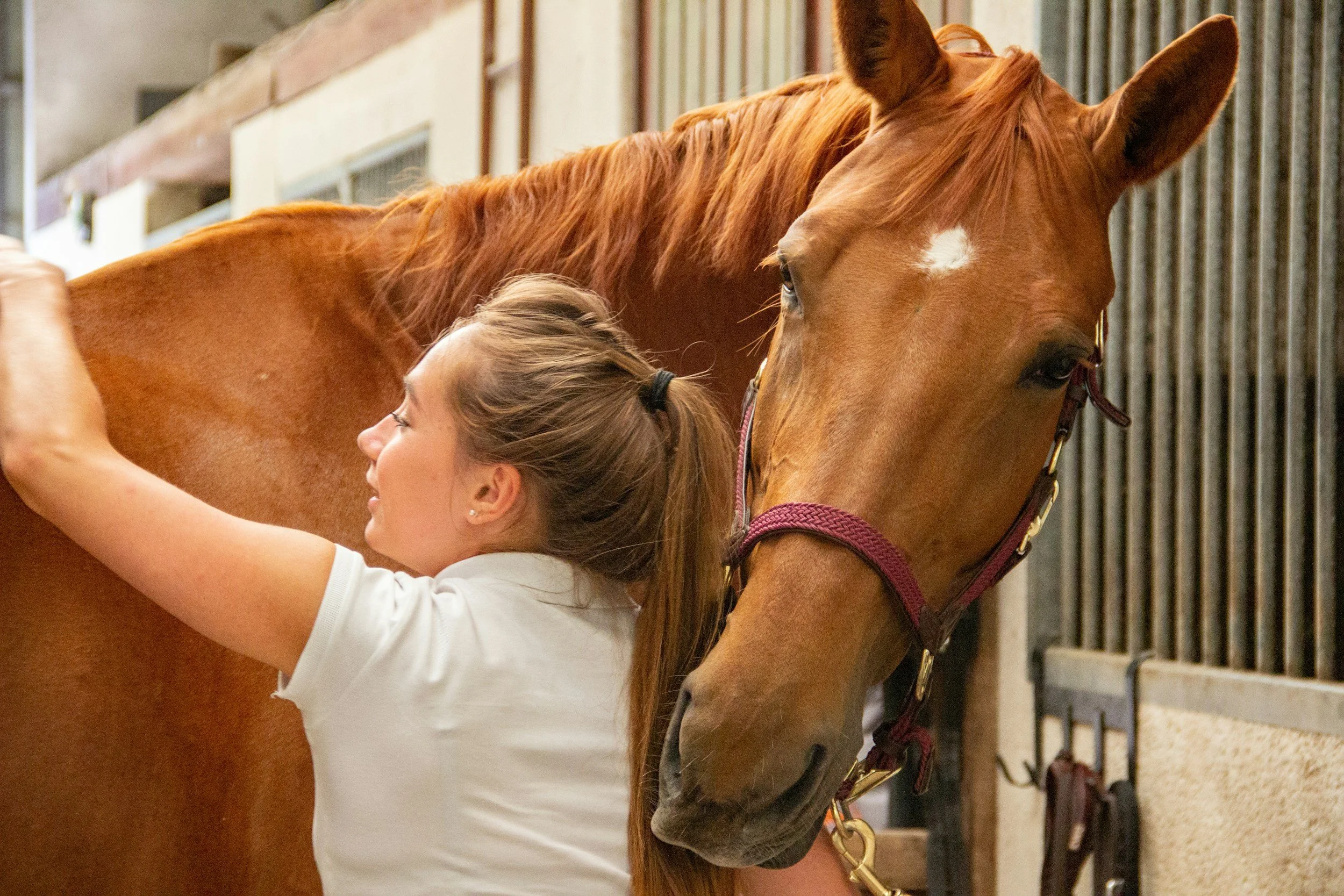
Most people struggle to spot pain in horses - study
New research from ARU Writtle, part of Anglia Ruskin University, has found that most people struggle to recognise when a horse is in pain – a finding that could have serious implications for animal welfare.

New method may improve blood test’s ability to detect inflammation in horses
Detecting inflammation in horses can be tricky—especially when trying to distinguish between acute and chronic cases. A new study from Penn State University may help veterinarians do just that, thanks to a fresh approach to interpreting a routine diagnostic tool: the complete blood count (CBC).

Bridle Choice May Not Drive Short-Term Stress in Horses, Research Shows
The type of bridle worn by a horse in dressage competitions is not the only factor affecting their stress levels, a new study has revealed.
Scientists from Aberystwyth University and the University of Portsmouth studied the complex effect of using a two-bit double bridle versus a one-bit snaffle bridle.

US Equestrian Releases Veterinary Best Practices White Paper Emphasizing Long-Term Horse Welfare
In a significant development for equestrian sports, US Equestrian (USEF) has published a comprehensive white paper outlining veterinary best practices for sport horse welfare. The document, developed following a March 2024 summit of 28 leading equine veterinarians, represents a concerted effort to elevate care standards across all competitive disciplines.